I have spent most of this week at the Mid-Atlantic Horticulture Short Course. I serve on the board of its sponsoring organization, and I have attended this annual event for decades now. It has always been a welcome diversion during the cold part of the year, as I look forward to being introduced to new plants, learning from great designers, and networking with my fellow green people, though others have referred to it as a CEU and certification farm. I found this year's conference somewhat somber in tone, as it seemed to me that many of the classes (at least the ones I took) concerned horticulture's response to a changing world, especially as it relates to climate. The keynote speaker was Michele Covi of Old Dominion University, and she set the tone with her talk on sea level rise and its affect on southeastern Virginia, after New Orleans, this country's most at-risk metropolitan area. I am sure I have mentioned that fact before, so pardon me for repetition, but it weighs on my mind constantly.
One of the most interesting classes I took was on a community-based program in Richmond that used a great deal of science, technology, and willing teenagers to measure the phenomenon of urban heat islands. They went all over the city last summer to measure ambient temperatures on a very hot July day. Comparing the collected data with maps of the city's tree cover, it was clear that the cooler parts of the city also had more trees, while the hottest areas were full of asphalt. They overlaid these combined maps with income levels, as well as the number of ambulance calls during heat waves, and the way the patterns lined up was eerily perfect. Another climate-centric talk I went to showed, among other things, how new computer programs predict the effects of a warming planet on native trees of Virginia, and where these species might have to migrate to to escape the heat, this as other more heat-tolerant trees could possible seize the void. This same talk framed everything in either of two scenarios, one where we do nothing to abate climate change, and another where we do what we can and hope for the best. Even under the best circumstances, the news is not good. For some time now I have been convinced that there is really nothing we can do to stop climate change, we can only manage its effects. Even if we slam on the brakes right now, the best we can do is to hope for a slow down, not a complete stop.
I also attended talks on introduced pests, including emerald ash borers, crapemyrtle bark scale, and ambrosia beetles. These are just a few of the threats to our natural and man-made landscapes resulting from a more connected world. The best news I got from these talks is that two species of our own lady beetles have now put crapemyrtle bark scale on their diets, especially important here in Norfolk, where 50% of all street trees are crapemyrtles. Technology played a role in several of the talks including using drones in forestry, sonic tomogaphy, and resistorgraphs. The latter are two non-invasive ways access tree health. There were also classes on phytoremediation, creationg bio-retention ponds, using IPM and biological pest control, and yes, there were pictures of pretty flowers too.
Showing posts with label Virginia Beach. Show all posts
January 18, 2018
November 10, 2017
Along the Cape Henry Trail
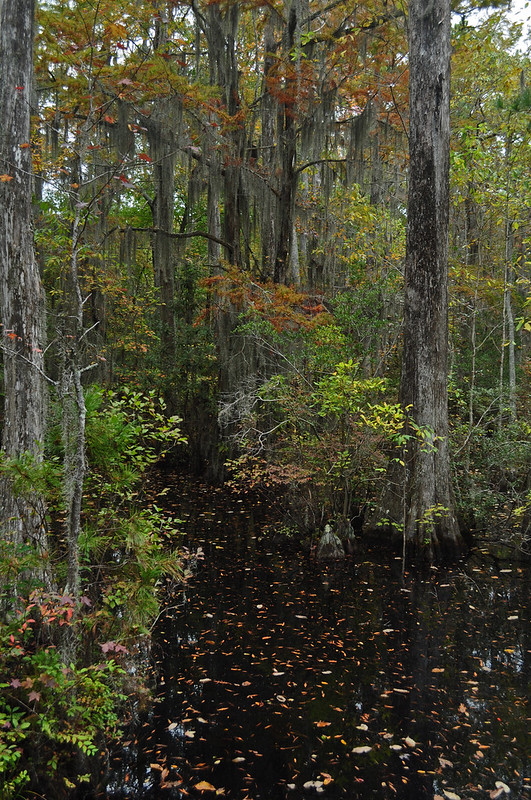
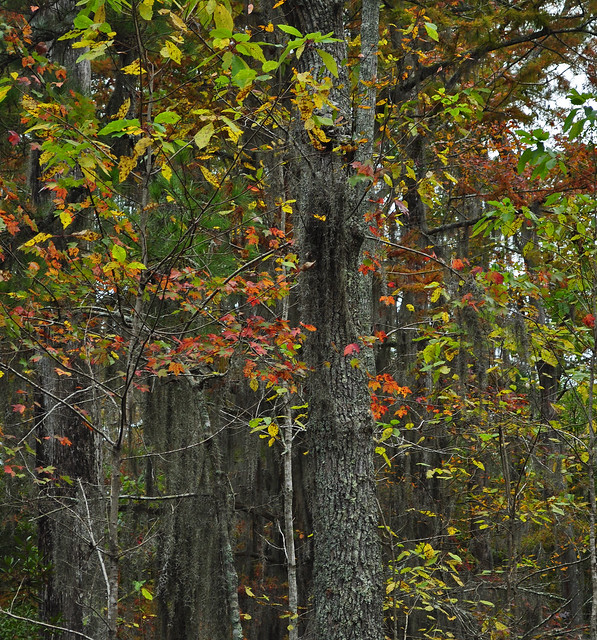
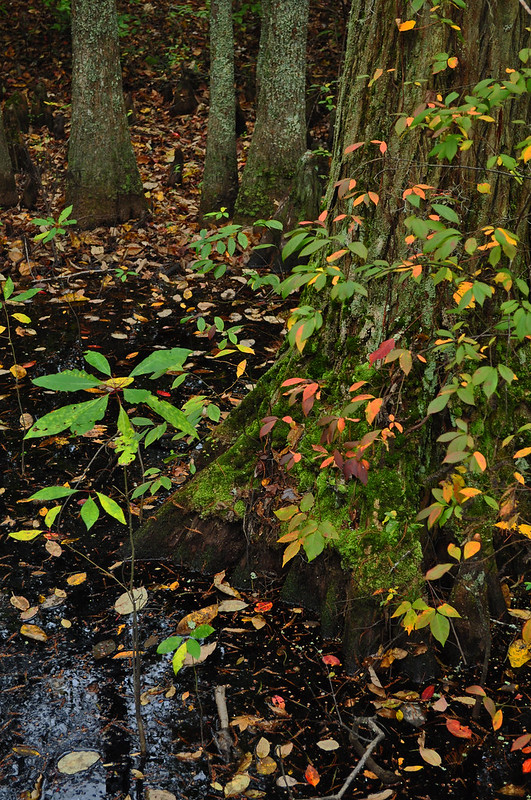
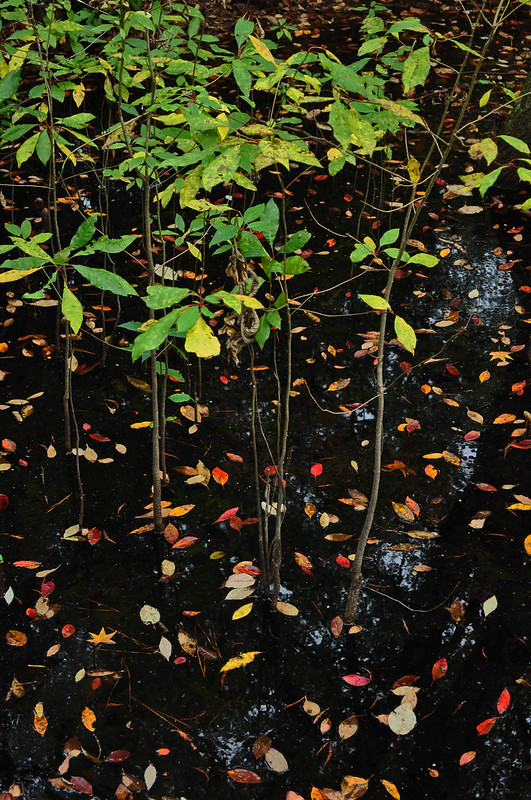
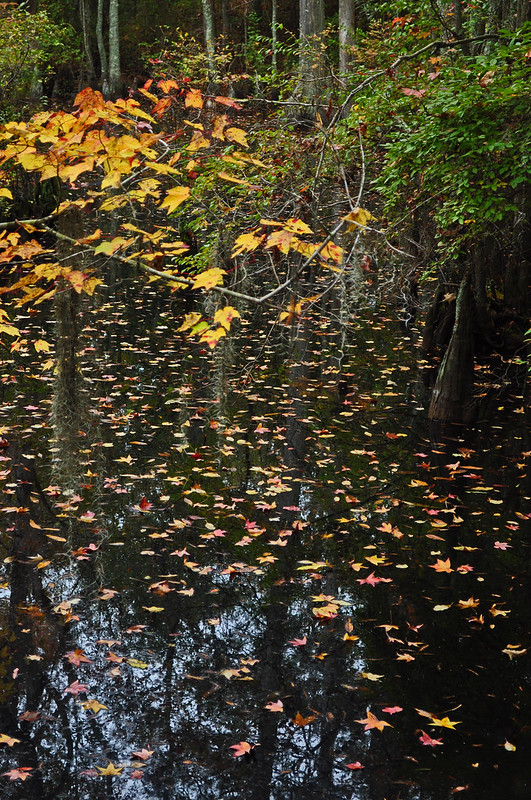
Last Saturday I took my bike to First Landing State Park in Virginia beach for a ride on the Cape Henry Trail. The trail is an old country road cutting across Cape Henry from the Chesapeake to the Atlantic. It runs through a diverse forest growing on a series of ridges formed from ancient sand dunes. In the low spots between the ridges, cypress swamps have formed where the trees are draped with Spanish moss. This ride is one of my favorites, and I try to do at least once a month. At the end of the trail I ride through oceanfront neighborhoods, head towards the boardwalk and the touristy area, and finally turn around at Rudee Inlet.
This blog has been here before, and if you want a more informative post click here.
Labels:
Bicycling,
First Landing State Park,
Taxodium,
Virginia Beach
October 5, 2015
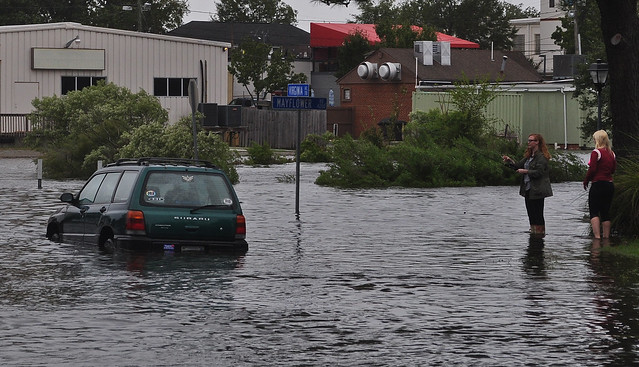
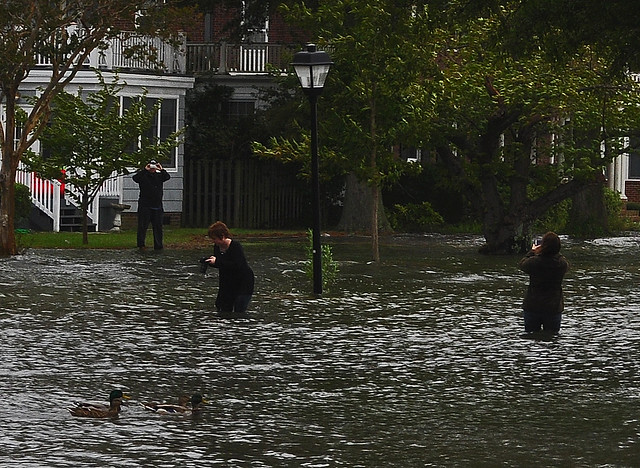
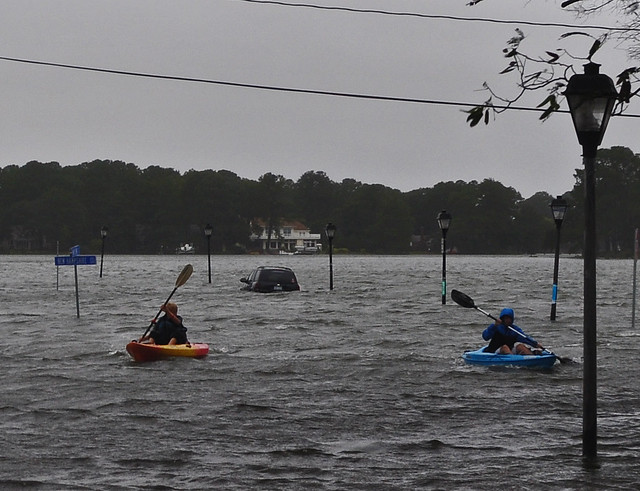
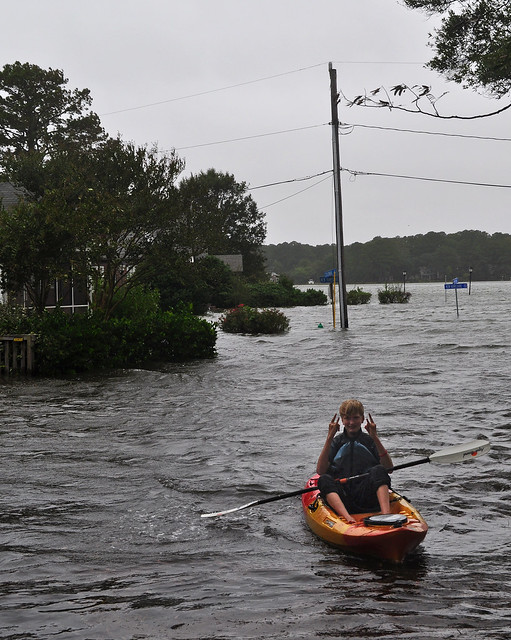
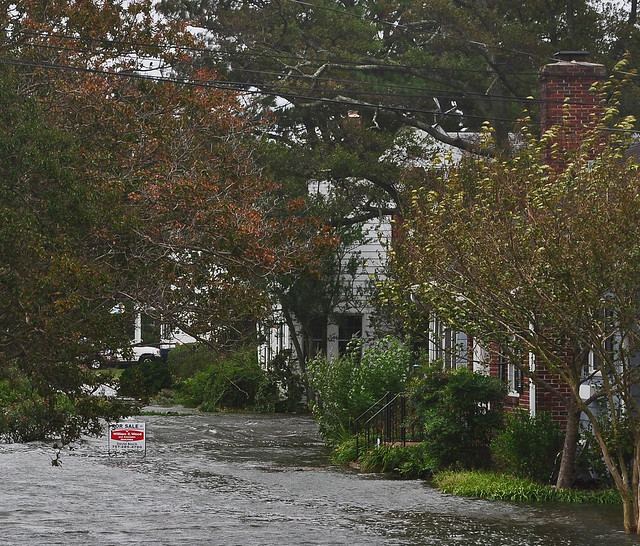
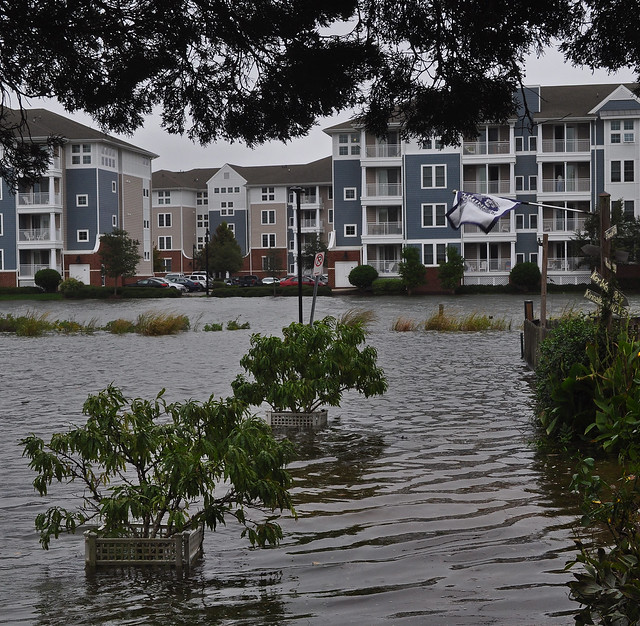
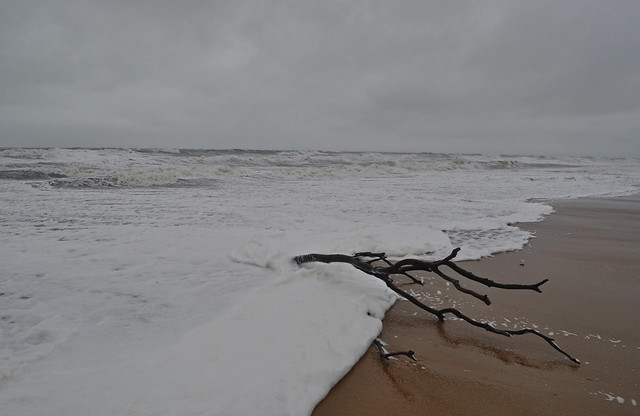
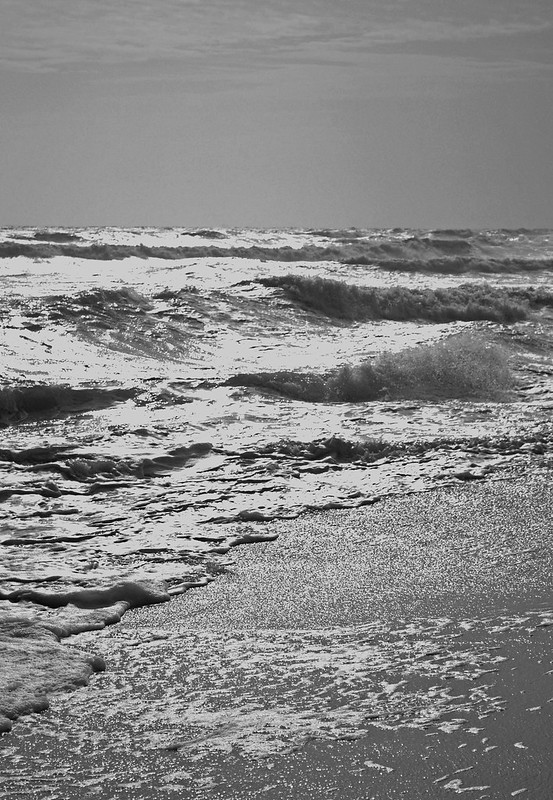
Water World
The past few weeks around here have been strange, weather-wise. We have gotten stuck in a pattern that has included, sunless skies, strong winds, periods of heavy rain, and most significant for us, very high tides. The higher tides are due to a combination of last week's supermoon, strong winds, and to some extent Hurricane Joaquin. Here in Norfolk there are other issues as well. Most of our rivers drain north into the Chesapeake Bay, and the strong northeasterly winds keep the water backed up preventing a full tidal flush, so the high tides pile up on top of each other. Add to that Norfolk's topography is nearly flat, and most of the city sits only a few feet above sea level. Many parts of area are built on former wetlands, or even filled-in waterways, and if conditions are right, the sea is quick to reassert its original property rights. Perhaps the biggest issue, long-term, is that Norfolk is sinking, while sea level is rising. This sinkage is due to glacial subsidence, a souvenir from the last ice age. The extreme weight of glaciers that once covered much of the northeast caused land there to sink, while the land bulged upward in ice-free areas like southeastern Virginia. Think of this as a very slow, giant seesaw that is still seeking equilibrium. This puts Norfolk right behind New Orleans on the list of American cities most threatened by sea level rise, but you won't see that printed on any real estate flyers.
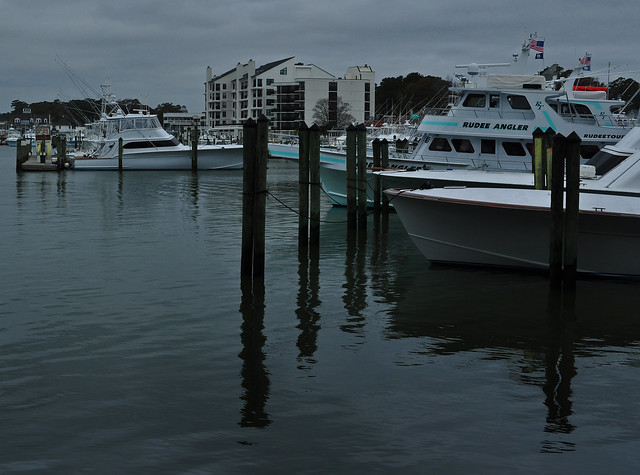
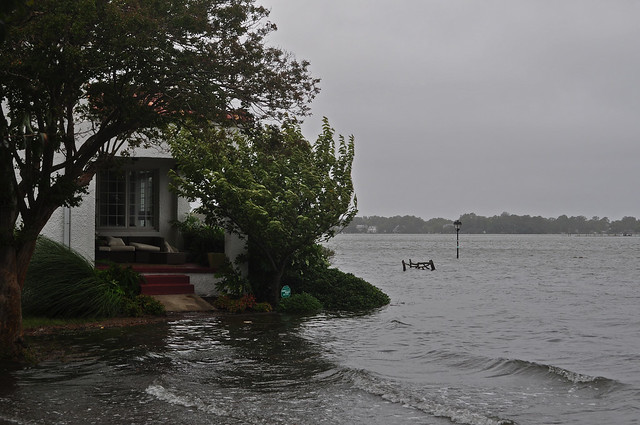
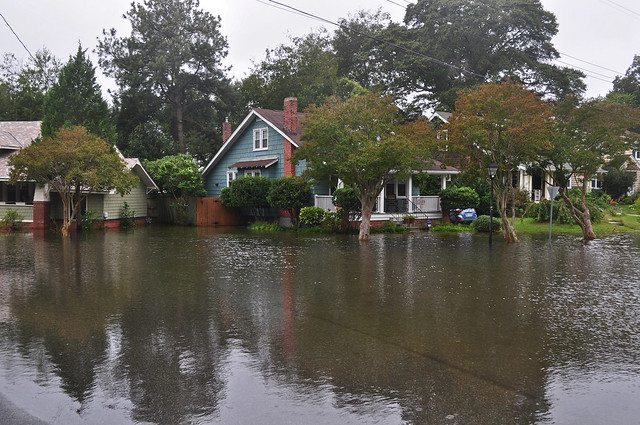
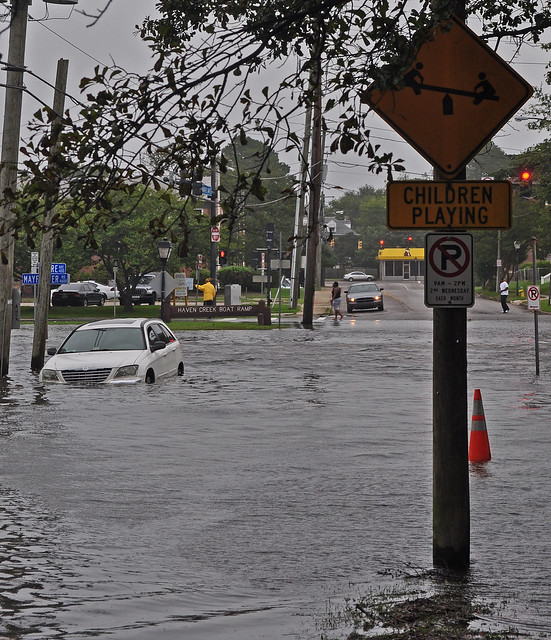
Most of the following photos were taken around my neighborhood over the past few days, and the rest were taken at the oceanfront in nearby Virginia Beach.
As bad is this flooding looks, most people here are use to it, which is good, because it is likely to become the new normal, and compared to what is happening in South Carolina, we should consider ourselves blessed.
Most of the following photos were taken around my neighborhood over the past few days, and the rest were taken at the oceanfront in nearby Virginia Beach.
September 28, 2015
Reflections on a Coastal Garden
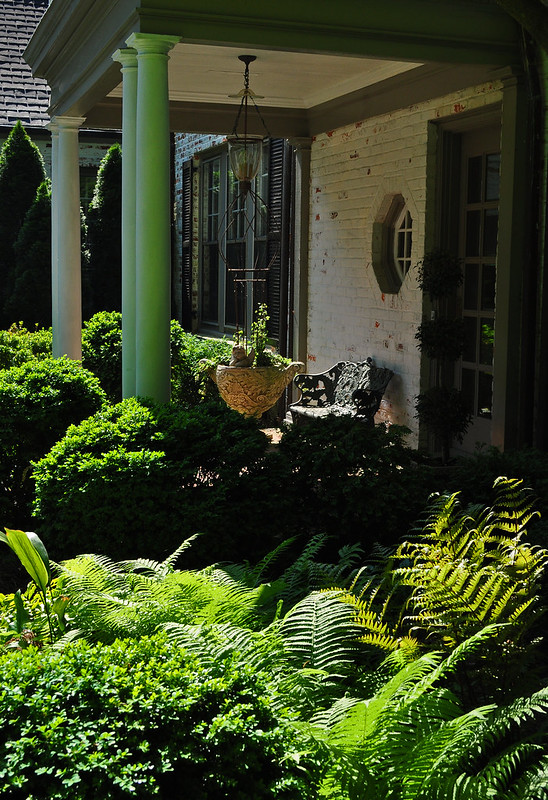
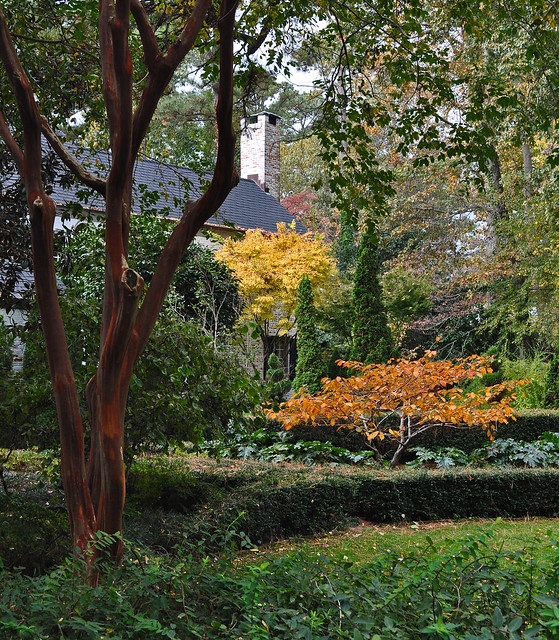
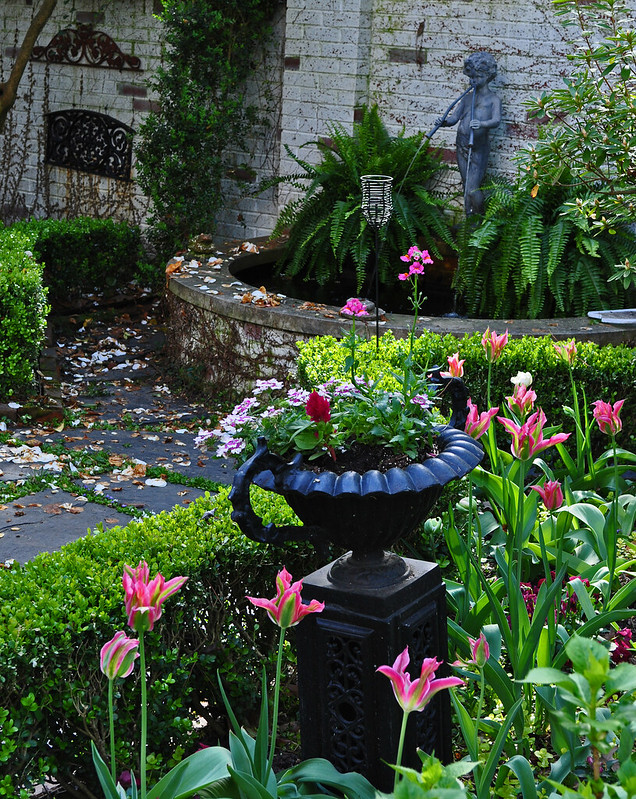
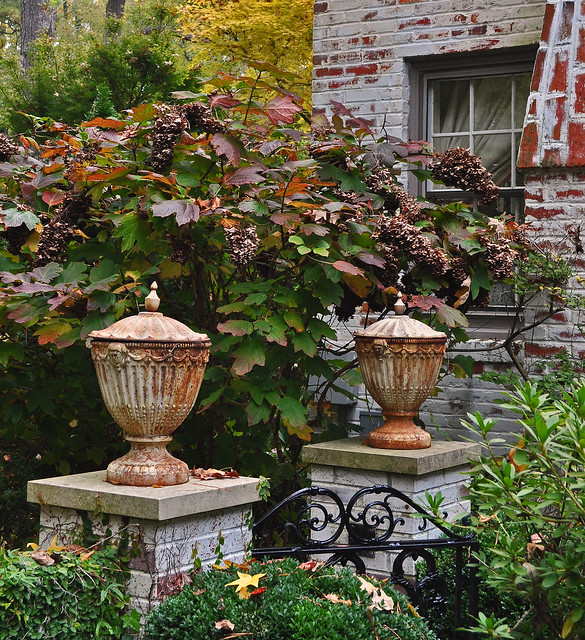
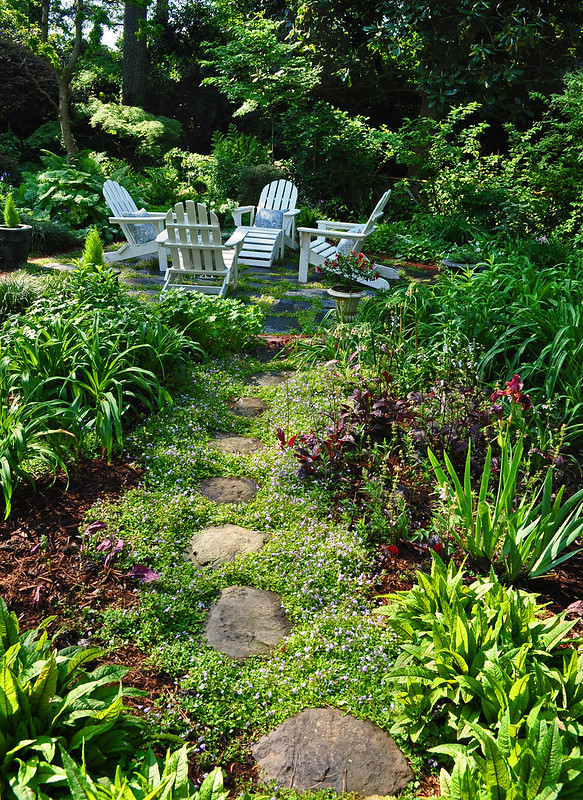
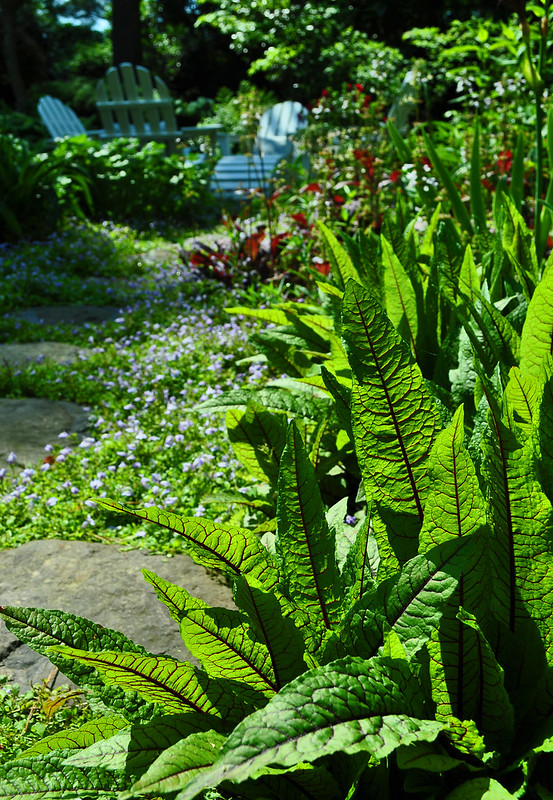
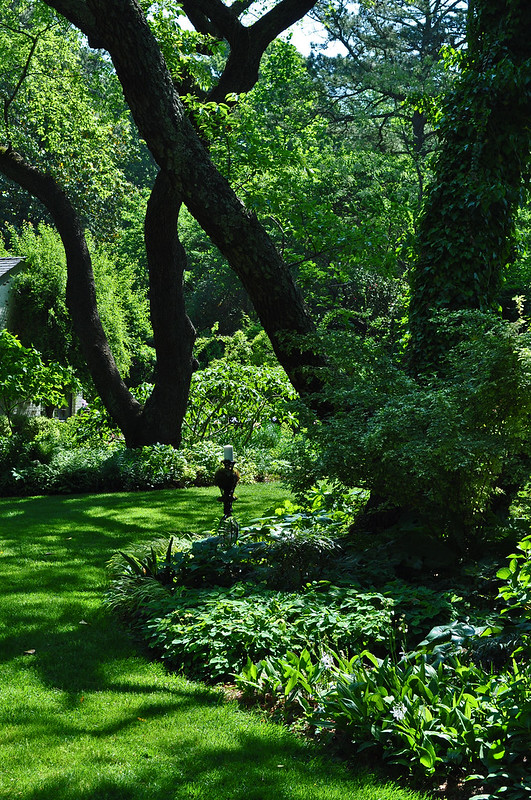
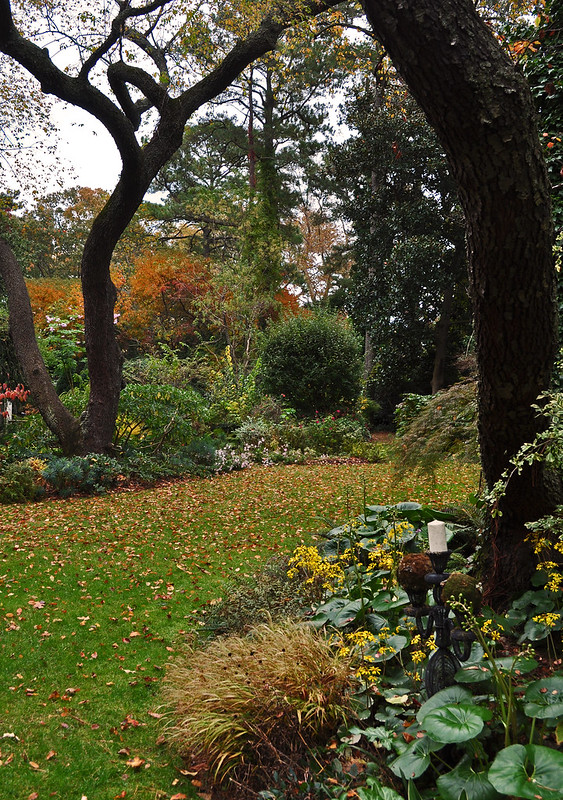
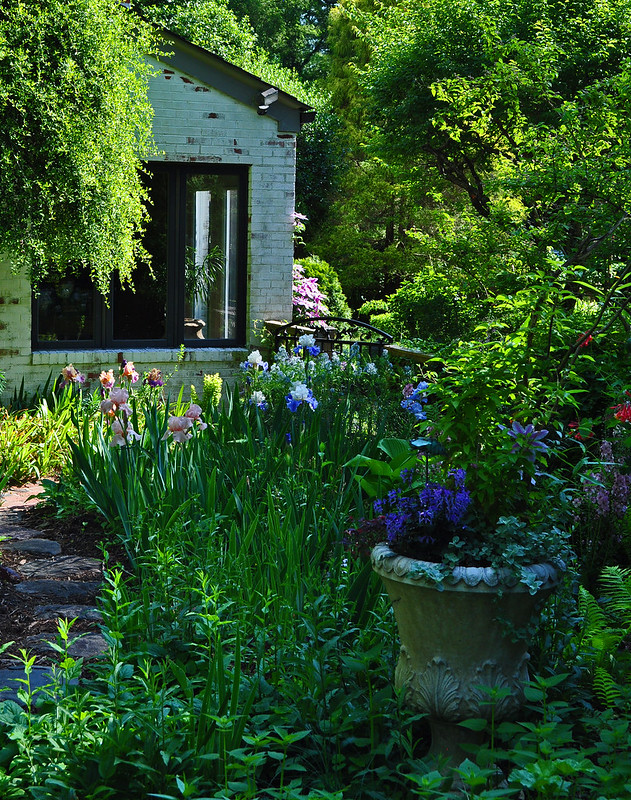
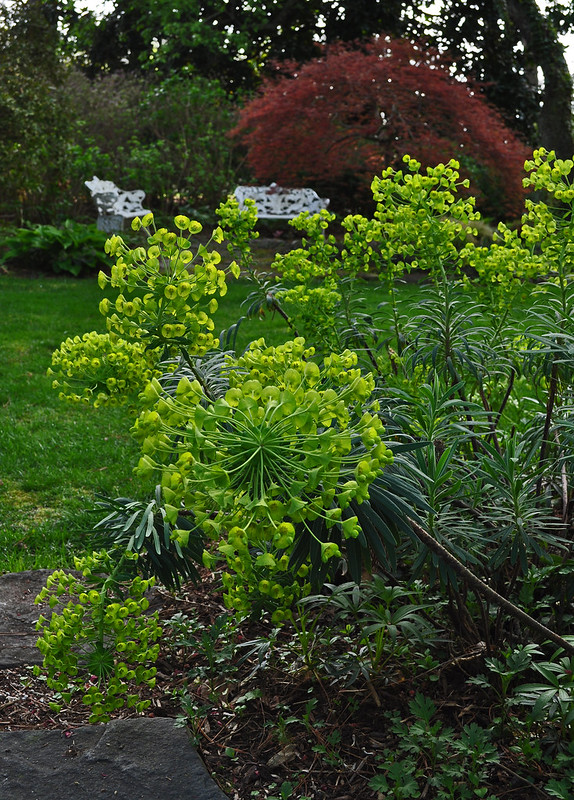
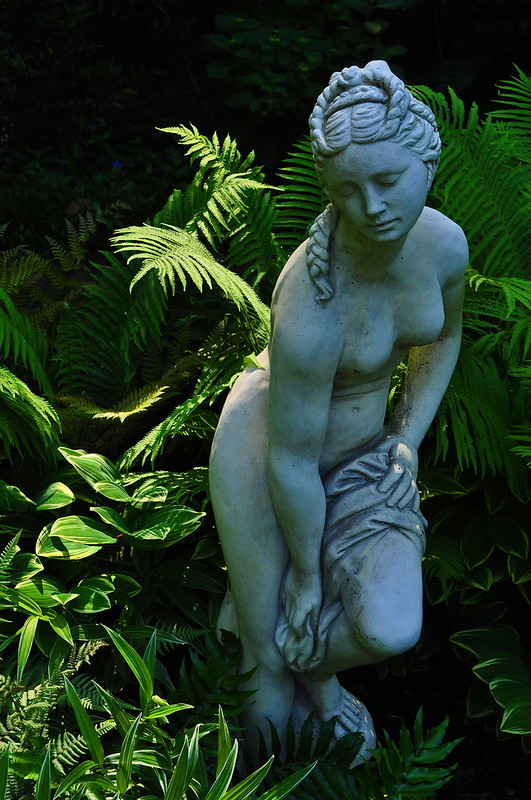
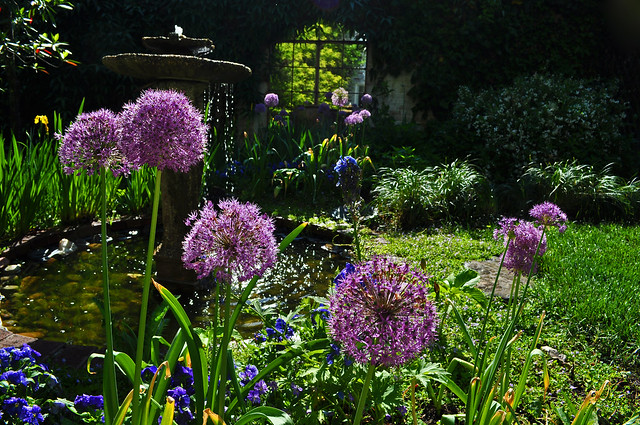
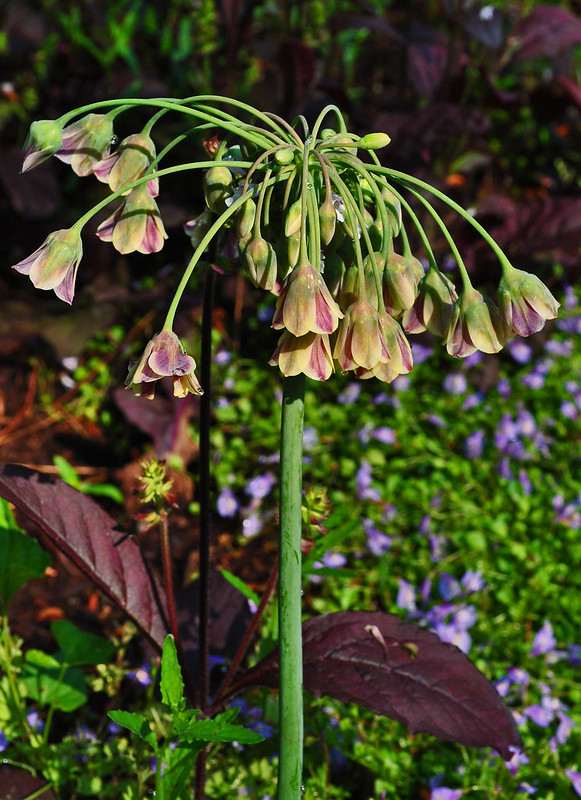
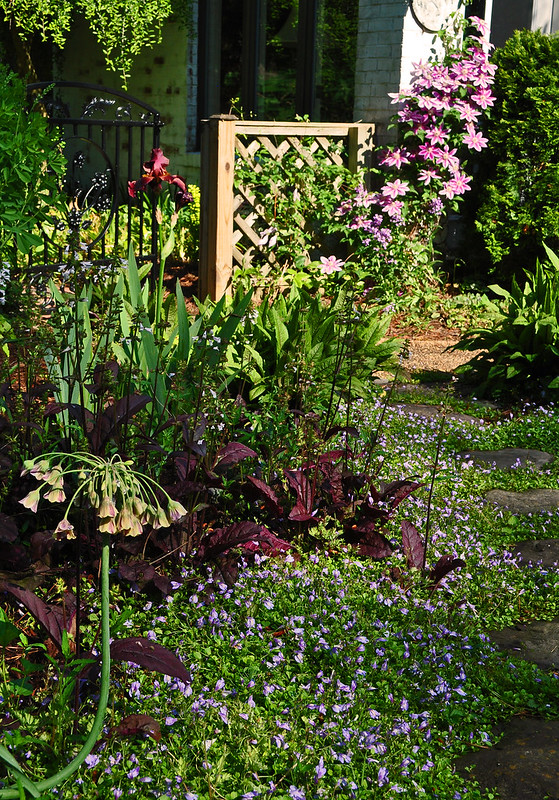
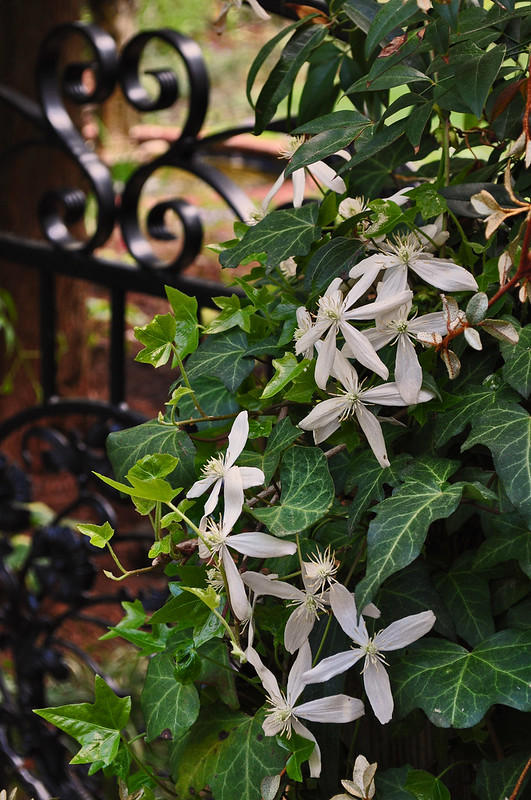
Last year a gardening friend, Mac Houfek, paid me a great honor by asking me to contribute photographs of her garden to a book she was writing about it. Knowing how special her garden was, and how much it means to her, I said yes. I got to know Mac at my last job, where she was one of our landscape clients, and at the garden center I would help her find new and/or special plants. When I started working at the Norfolk Botanical Garden, I was pleased to see that she was an active board member there. In fact, she has dedicated the book to the garden and its staff, and is generously donating all of the book's proceeds to the garden. Although Mac is quick to offer visitors a piece of this plant or that, she is also generous with her knowledge and enthusiasm, especially so with new gardeners.
The photos were taken over the course of a year on three different visits, and are a mix of spring and fall shots. I took way more pictures than were needed, but given the economy of digital photography, more gives you more to choose from. All of the photo files were delivered unedited, but those that follow I have tinkered with a bit in Photoshop.
If you want to see more of my photos from Mac's garden, here is a link to an album on my Flickr page. For more information about Reflections on a Coastal Garden, including how you can get your copy, visit the book's web site.
The photos were taken over the course of a year on three different visits, and are a mix of spring and fall shots. I took way more pictures than were needed, but given the economy of digital photography, more gives you more to choose from. All of the photo files were delivered unedited, but those that follow I have tinkered with a bit in Photoshop.
Location:
Virginia Beach, VA, USA
Subscribe to:
Posts (Atom)