An unapologetic plant geek shares advice and opinions on gardening, the contrived and the natural landscape, as well as occasional topics from the other side of the gate.
Showing posts with label Norfolk Botanical Gardens. Show all posts

April 8, 2015

Out to Lunch

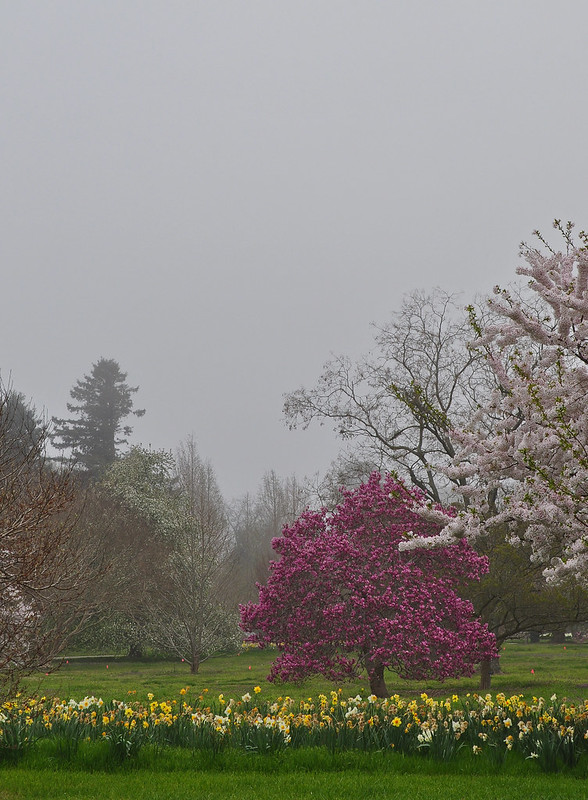
     I've been trying to keep my camera close for the past few weeks, hoping to be inspired by the unfolding spring. Although we have had some beautiful weather lately, I just haven't been able to enjoy the season like I thought I would. I am sure being under the weather probably has had something to do with it. Today that changed, and it wasn't blue skies that brought me out of my funk; it was fog. Late this morning it began rolling in from the water, thick enough that fog horns were sounding on the bay. I grabbed my camera and spent the first part of my lunch in the Flowering Arboretum at work; my hungry stomach had to wait.

Flowering Arboretum (1)

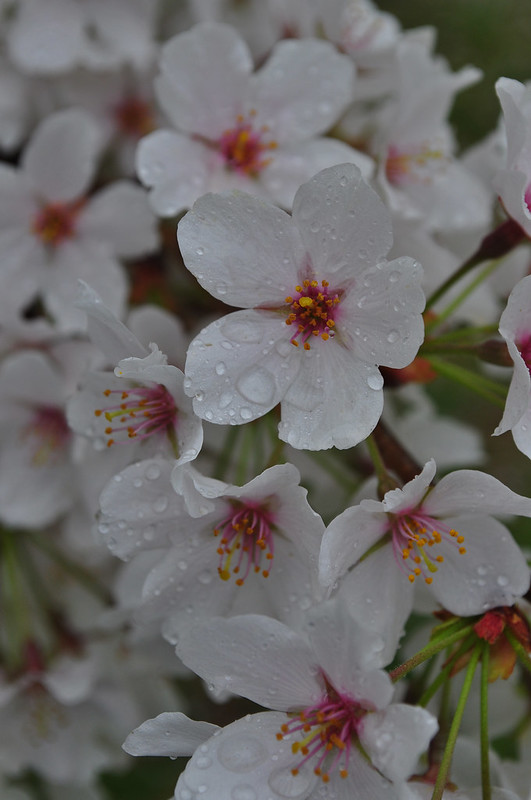
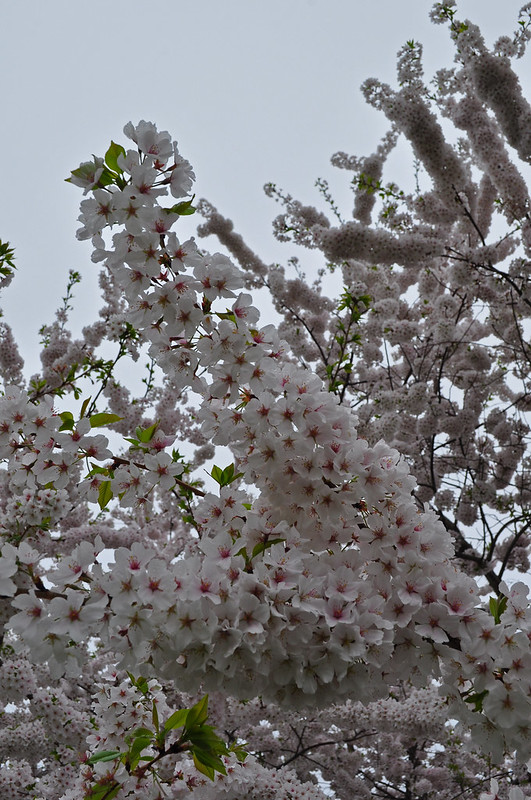
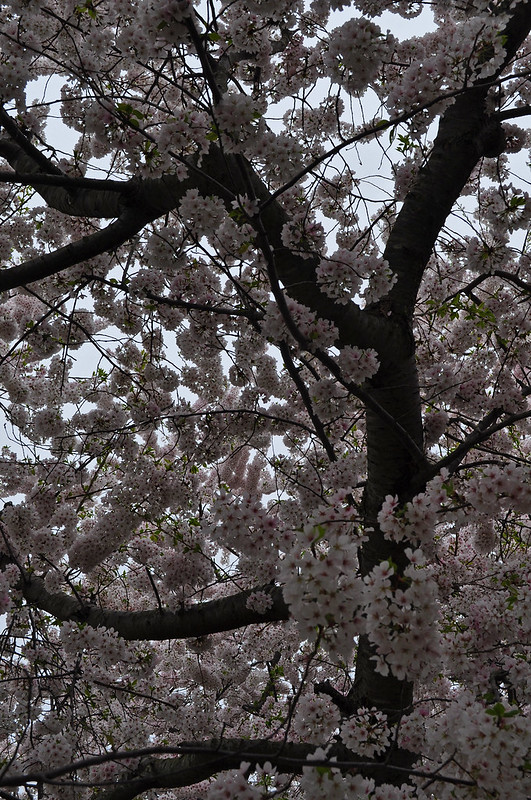
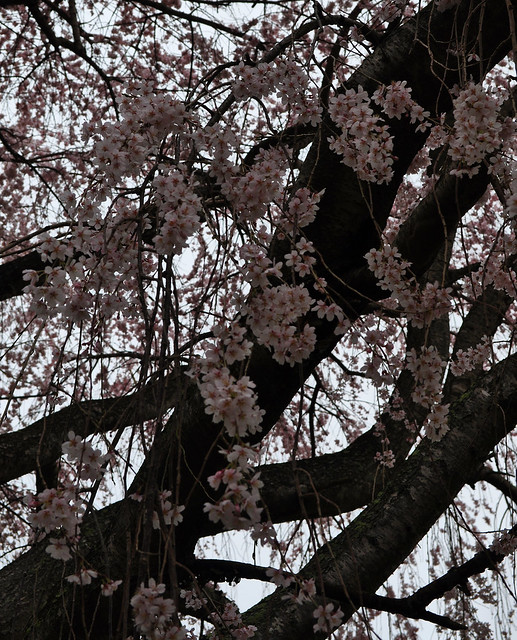
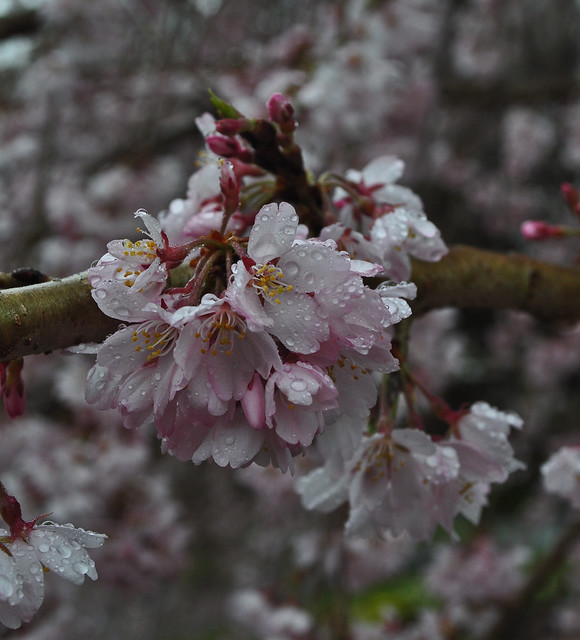
     Although not the most colorful tree in the garden, the most prolific blooms today came from the Yoshino cherry (Prunus x yedoensis).
Prunus × yedoensis (2)

Prunus x yedonensis (1)

Prunus × yedoensis (4)

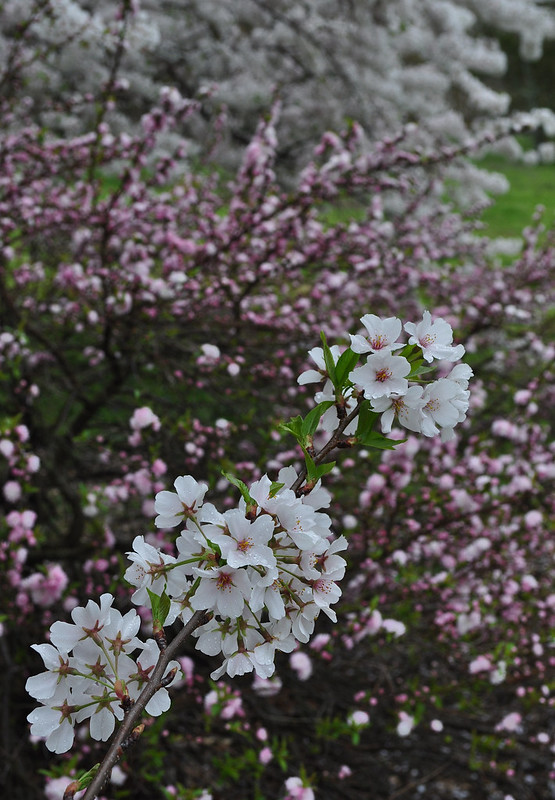
Prunus glandulosa 'Rosea Plena' and Prunus x yedoensis (2)

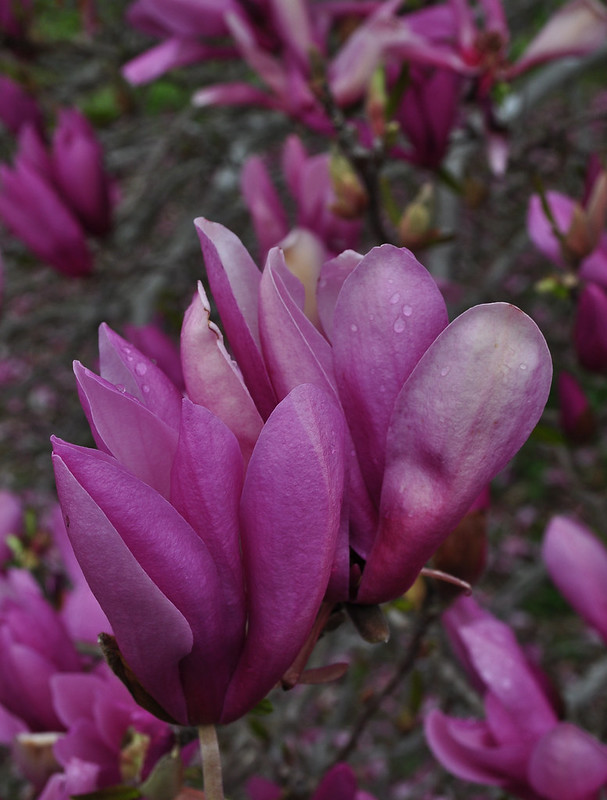
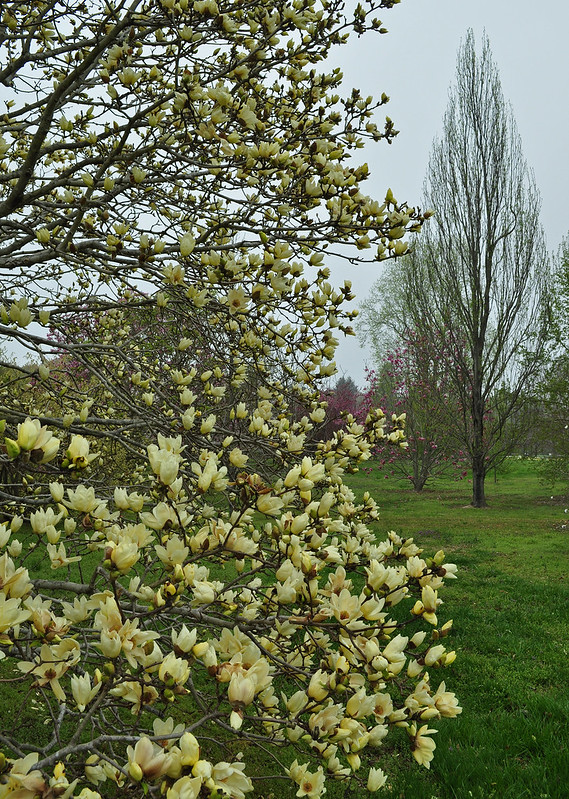
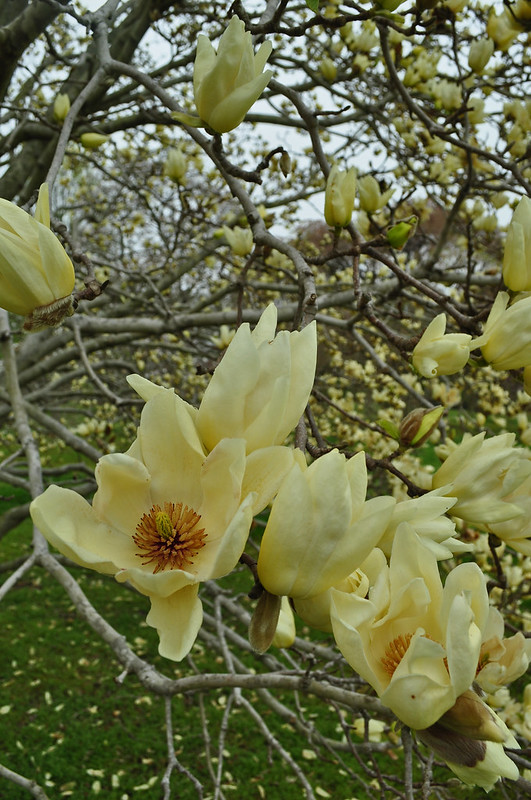
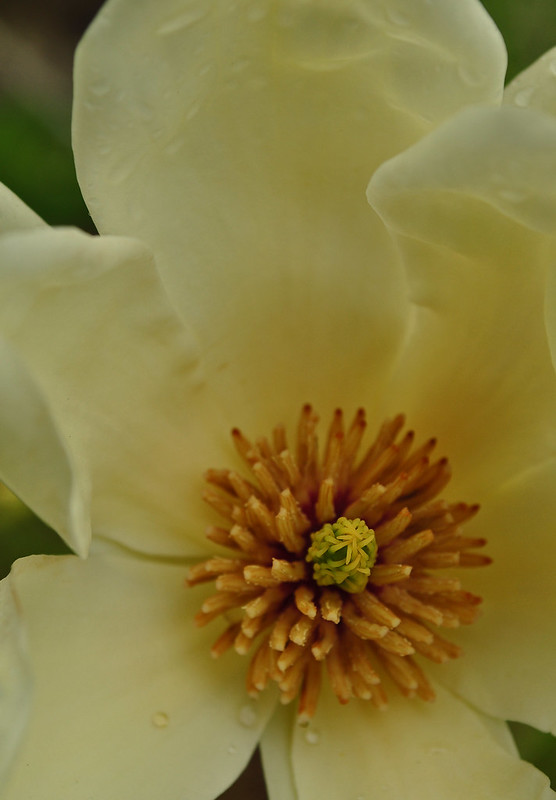
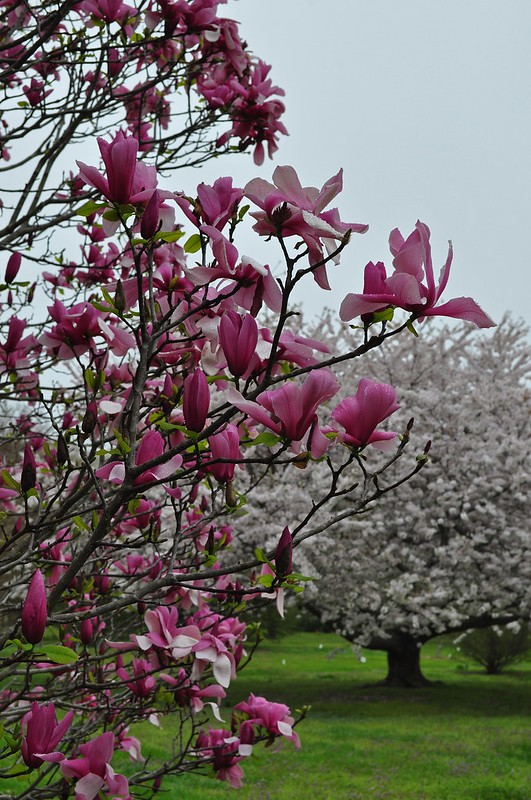
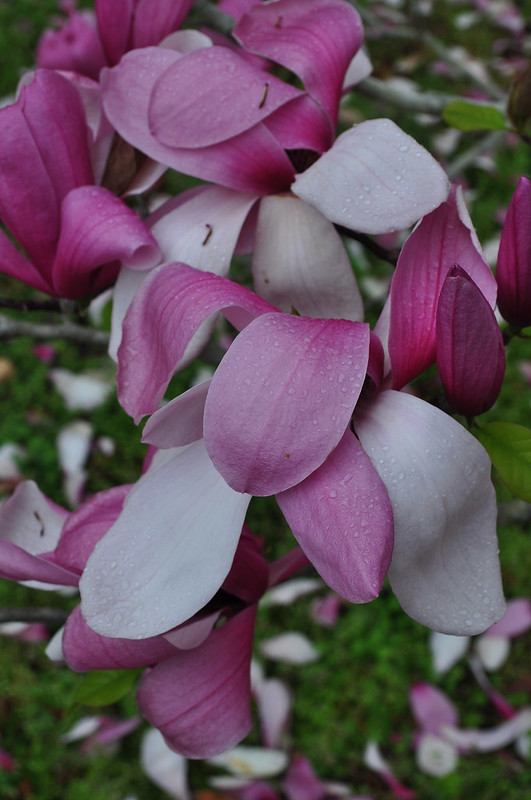
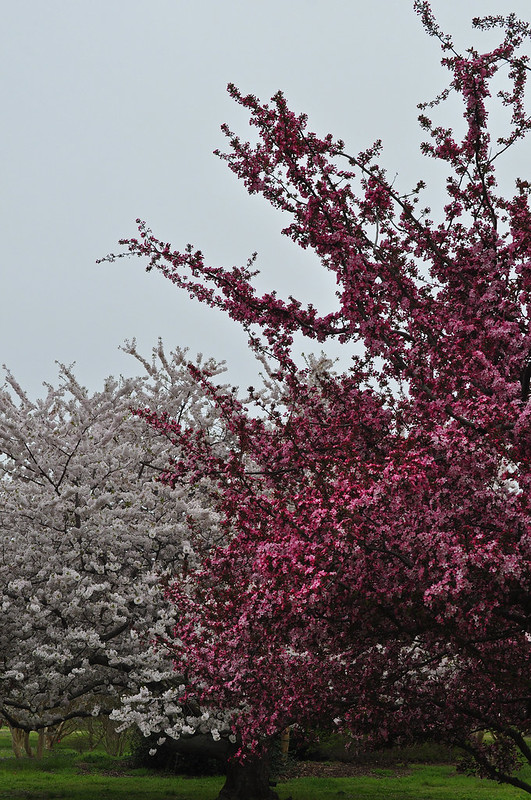
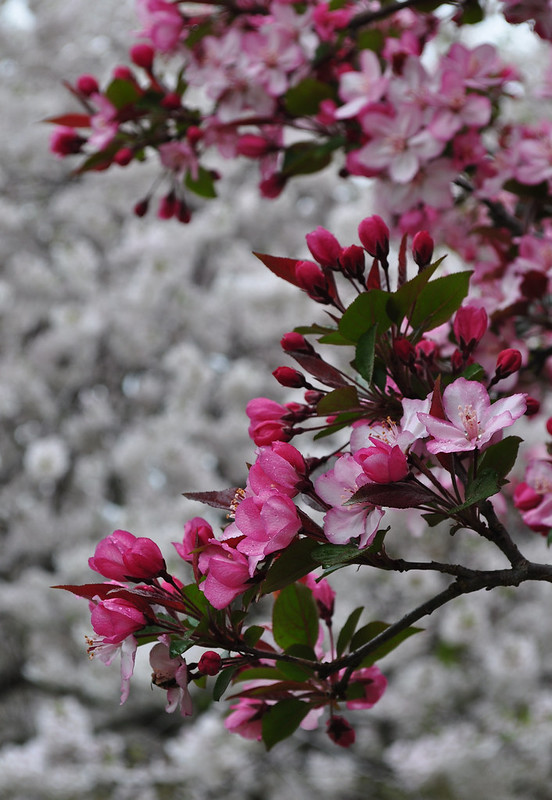
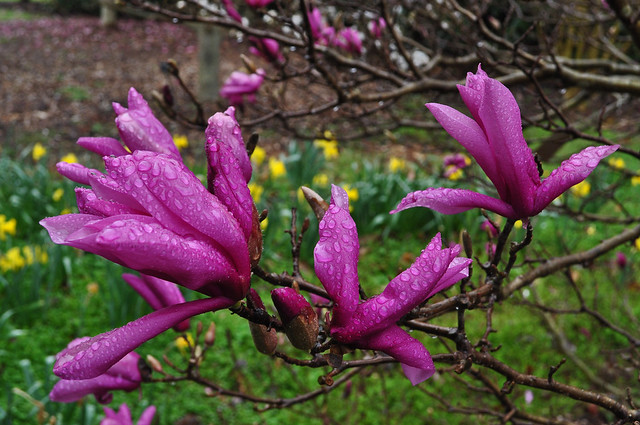
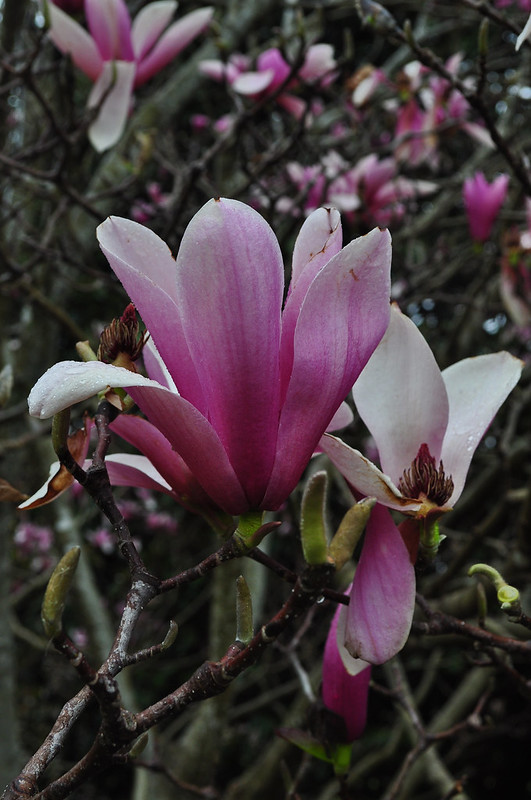
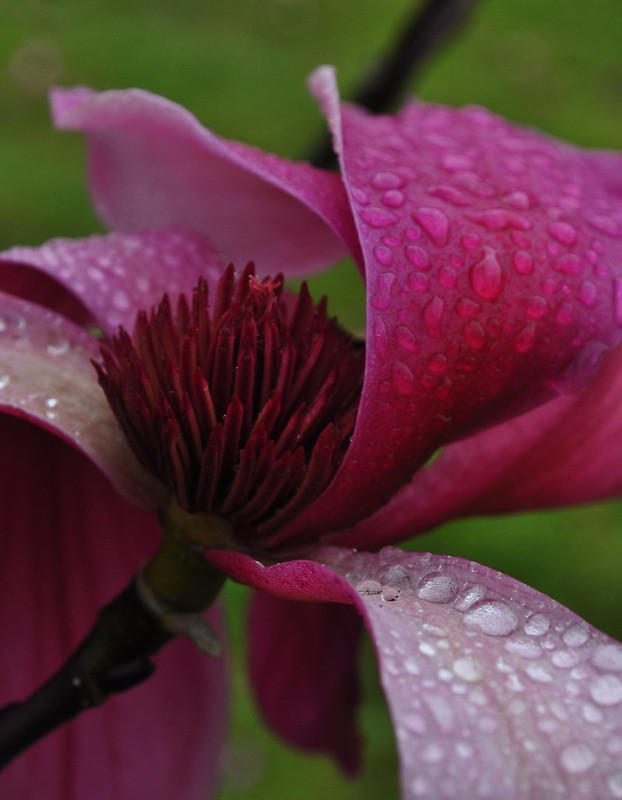
     The other major players today were various magnolias and crabapples, which normally don't bloom at the same time, but this winter's lingering cold has delayed the magnolias.
Magnolia x 'Betty' (2)

Magnolia x 'Betty' (3)

Magnolia x 'Betty' (1)

Magnolia acuminata 'Elizabeth' (1)

Magnolia acuminata 'Elizabeth' (2)

Magnolia acuminata 'Elizabeth' (3)

Magnolia x 'Galaxy' (1)

Magnolia x 'Galaxy' (2)

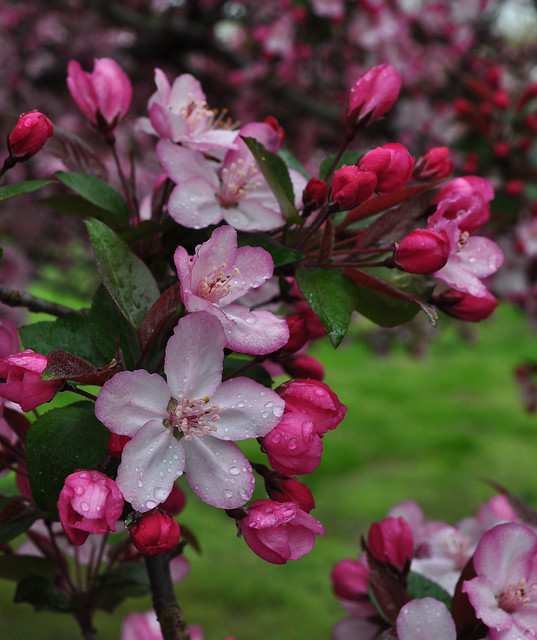
Malus 'Strawberry Parfait' (1)

Malus 'Strawberry Parfait' (2)

Malus 'Strawberry Parfait' (4)

June 14, 2014

Lessons Learned from Lupines

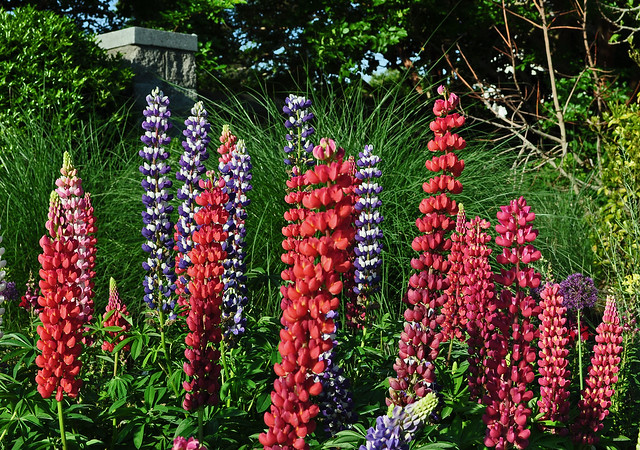
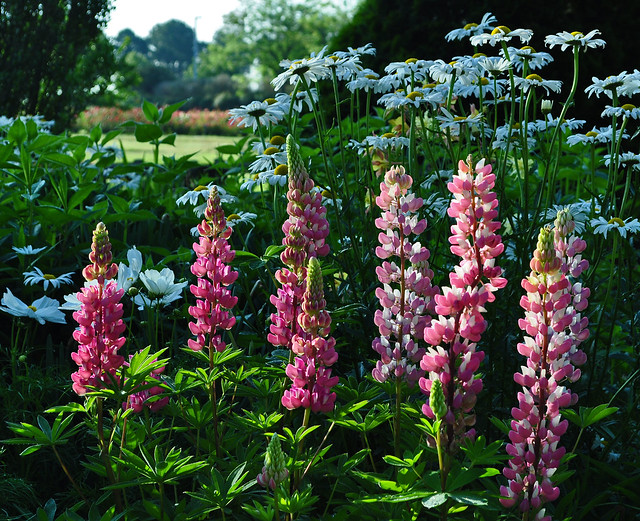
     I first fell in love with lupines on a trip to Maine, where the plants seemed to be growing without effort. I think what attracts me is their stature, and the upright drama they add to the garden. For the same reasons I am similarly attracted to other tall flowers, such as Digitalis, hollyhocks, and Verbasum. But for me there is something else about lupines that I can't quite put my finger on, perhaps it has something to do with symmetry and uniformity. When I first began gardening I couldn't find any lupines for sale in local nurseries, and more than one nursery person told me this perennial wouldn't grow here, that it was just too hot. A little research confirmed my disappointment, and I begrudgingly resolved to admire them from afar. Years later, I saw them again, only this time coming up through cracks in the pavement during a trip to Grand Lake, Colorado, and I just haven't been able to let go.

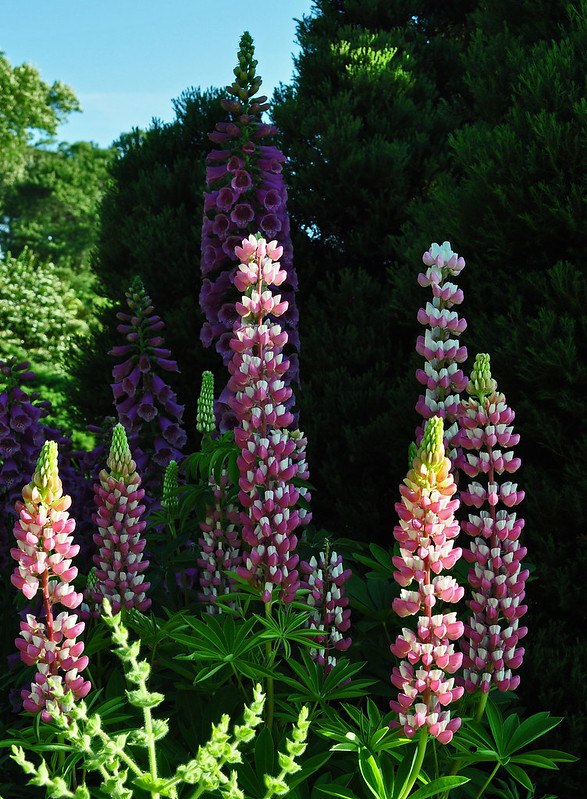
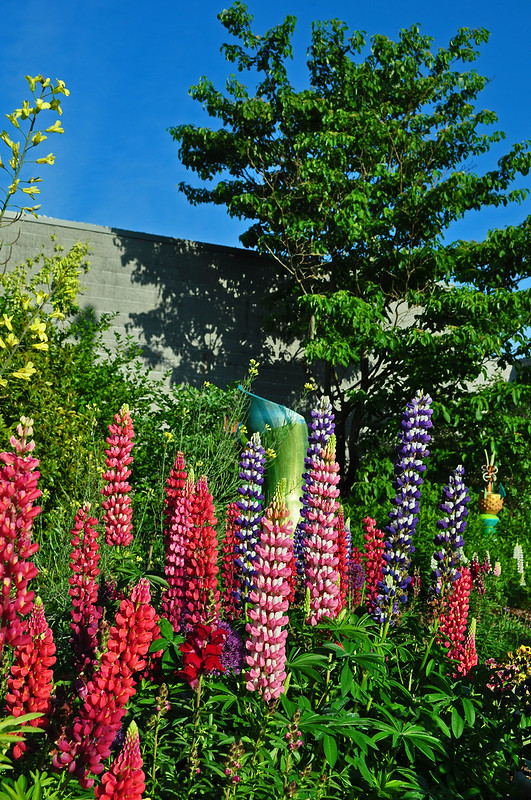
     In the fall of 2012, some co-workers and I attended a lecture by Lisa Ziegler, a nearby wholesale cut flower grower. The gist of her talk was how she sows seeds for cool climate flowers in the fall to harvest fresh cut flowers in the spring. Her lecture inspired us to try some of the annuals that love that cool shoulder-season between late winter and early summer. Among other things we decided to try lupines as annuals, rather than perennials. Though I was dubious, I found an inexpensive source for Lupinus polyphyllus seeds and gave them to the propagator at work. They were sown in early autumn of last year, quickly made size, and were planted-out in late October/early November, about the same time as the pansies were planted. Being hardy to at least zone 4, I knew they would survive our winter, and indeed, their foliage remained pristine and attractive, even through one of the worst winters in many years. Perhaps that cold weather was what they liked, because by early May it was apparent we were in for a spectacular show.

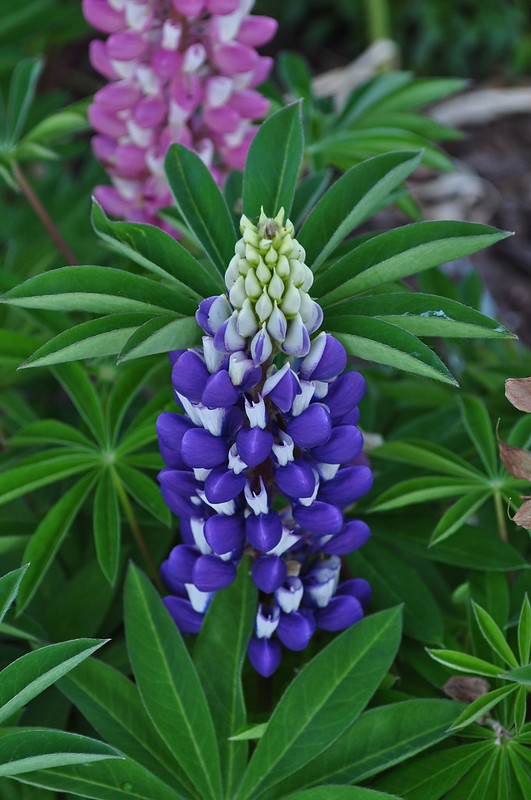
Lupinus 'Band of Nobles' (6)

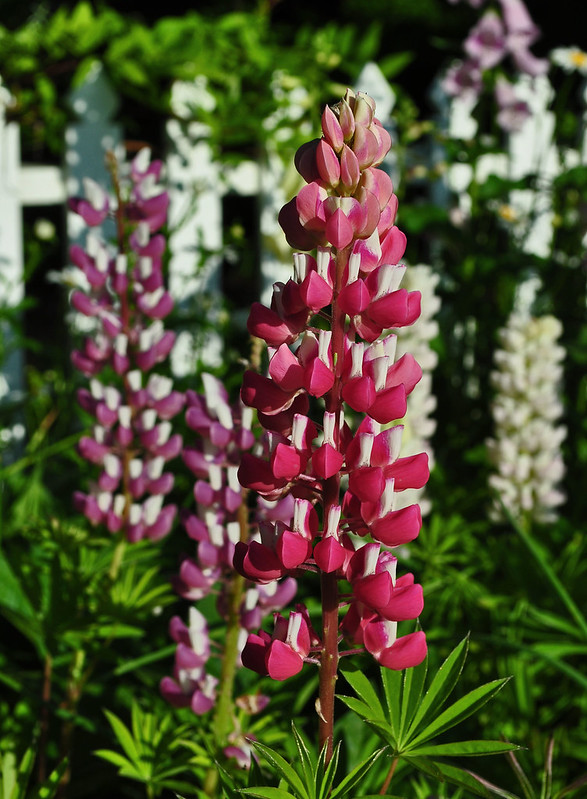
Lupinus 'The Chatelaine' (3)

Lupinus 'The Chatelaine' (7)

Lupinus 'Band of Nobles' (3)

Lupinus 'The Chatelaine' (13)

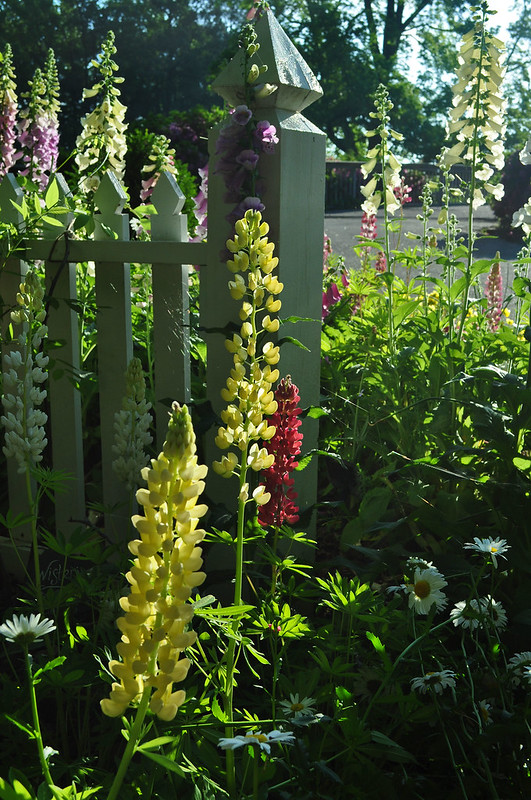
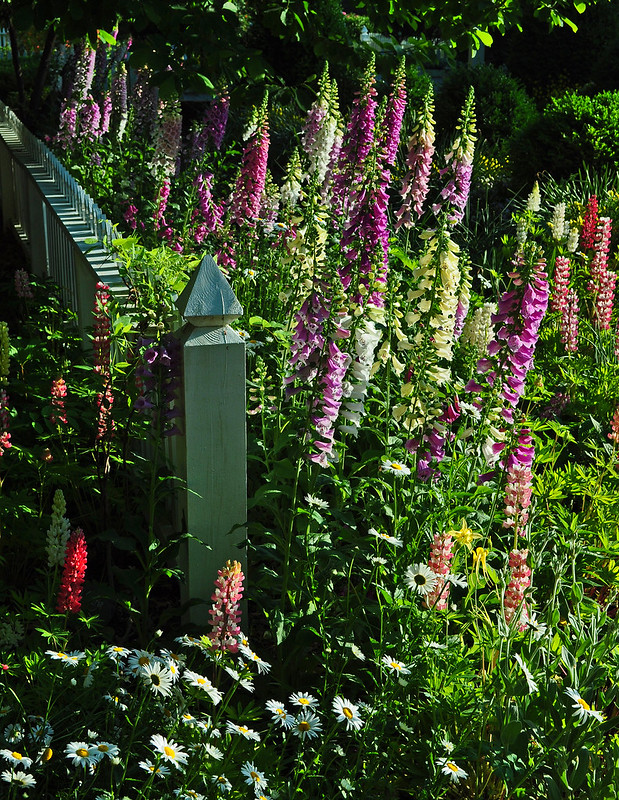
Lupinus 'The Chatelaine' with Digitalis 'Foxy Hybrids'

Lupinus 'Band of Nobles' (5)

Lupinus 'The Chatelaine' (10)


So this is what I learned, but not necessarily about lupines:
  • While it is good to listen to the voice of experience, there is more than one voice.
  • Don't be afraid to try something new, especially if it can be defined or framed in a new way (from perennial to annual), or if your investment is small ($2.49 for a pack of seeds).
  • Look close to home. There are over 80 Lupinus species, and from one of the native plant experts at work, I was surprised to learn that L. perennis is native here in southeastern Virginia, and is tolerant of our hot and humid summers.
  • Be careful what you wish for, as what you covet may be someone else's bane. Ask gardeners in New Zealand or Scandinavia what they think of L. polyphyllus.
May 2, 2014

Home Grown Horticulture

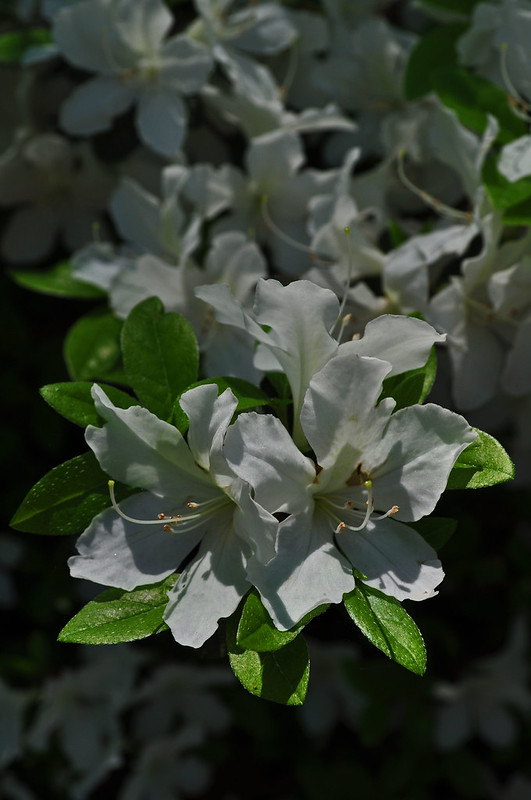
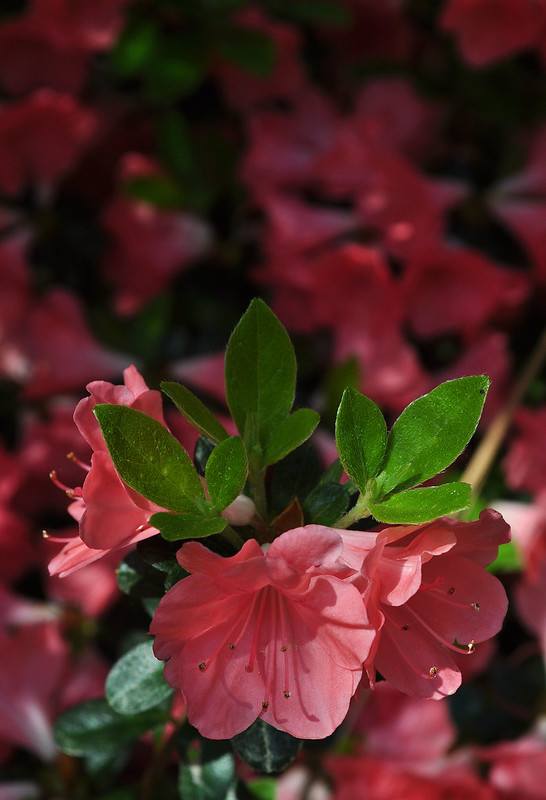
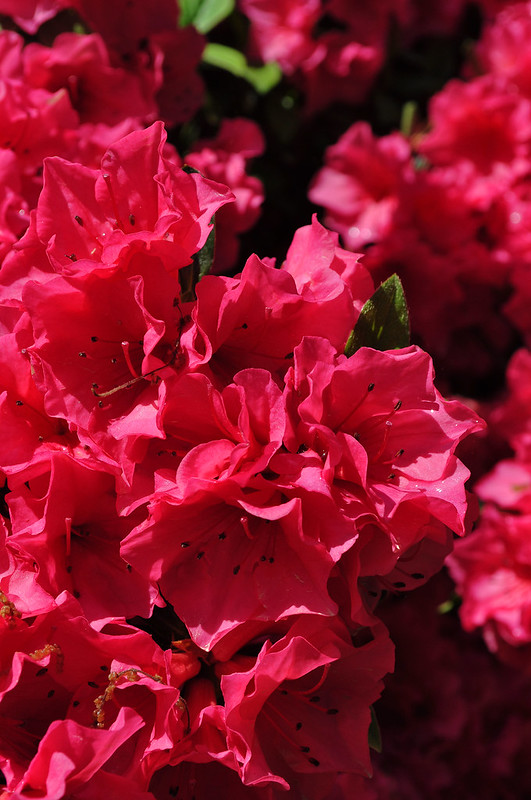
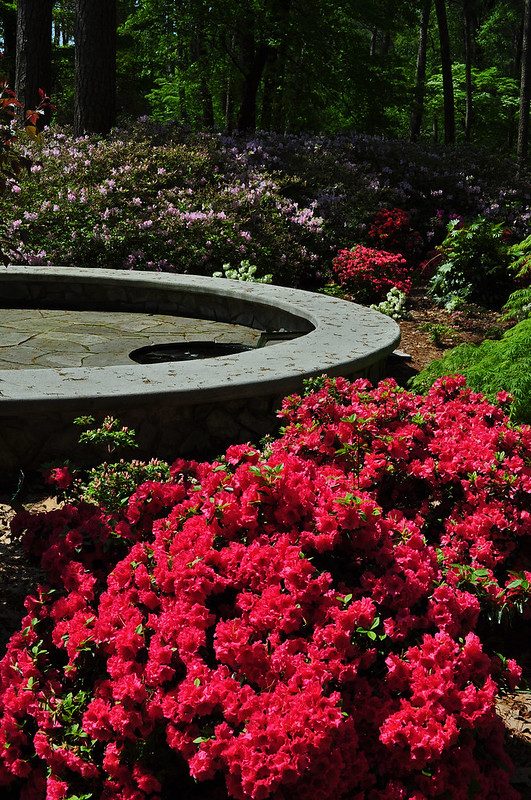
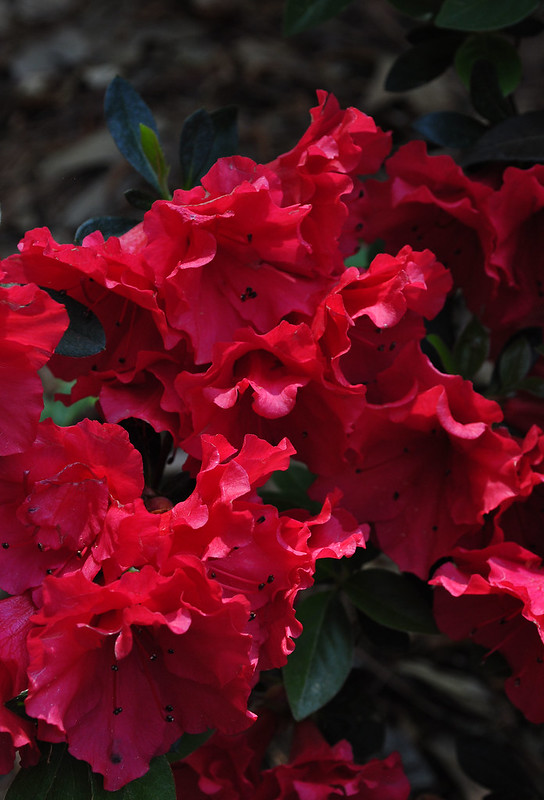
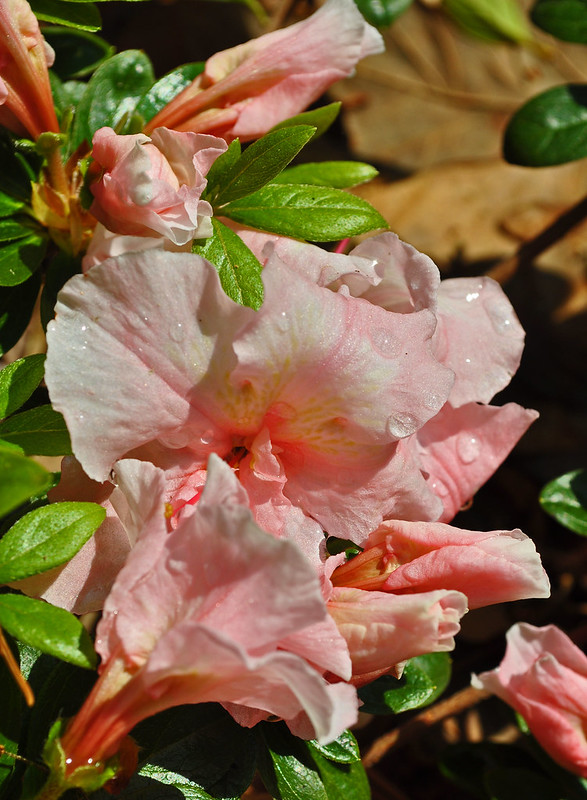
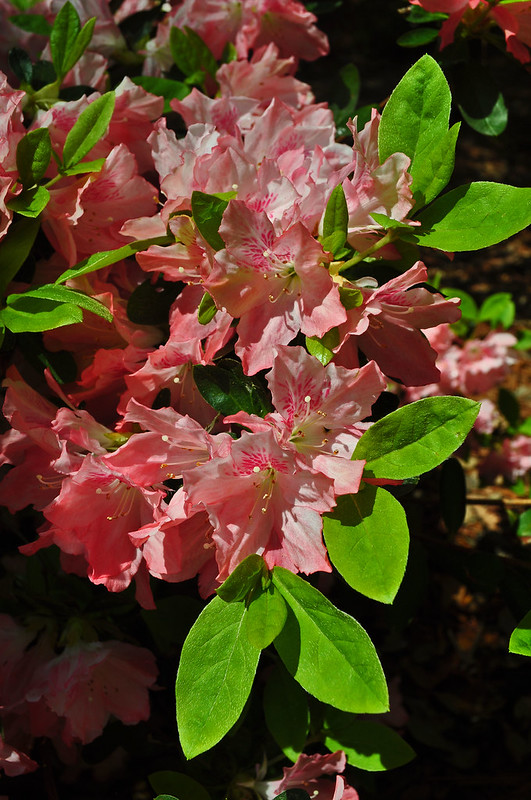
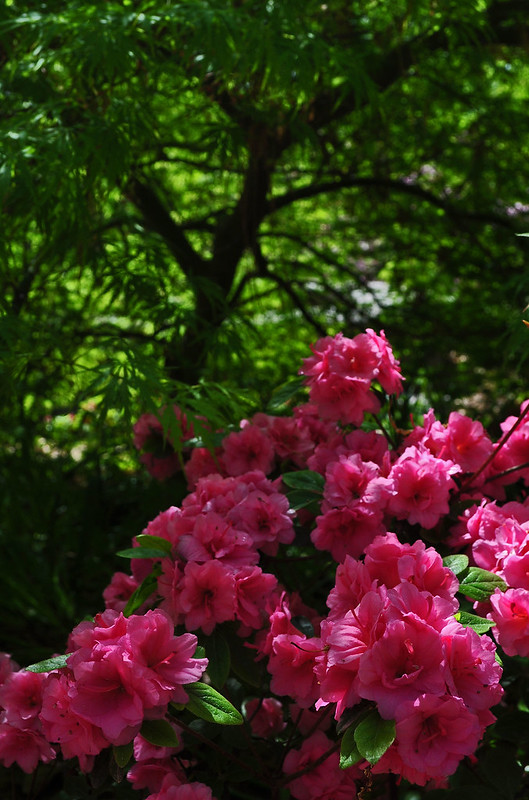
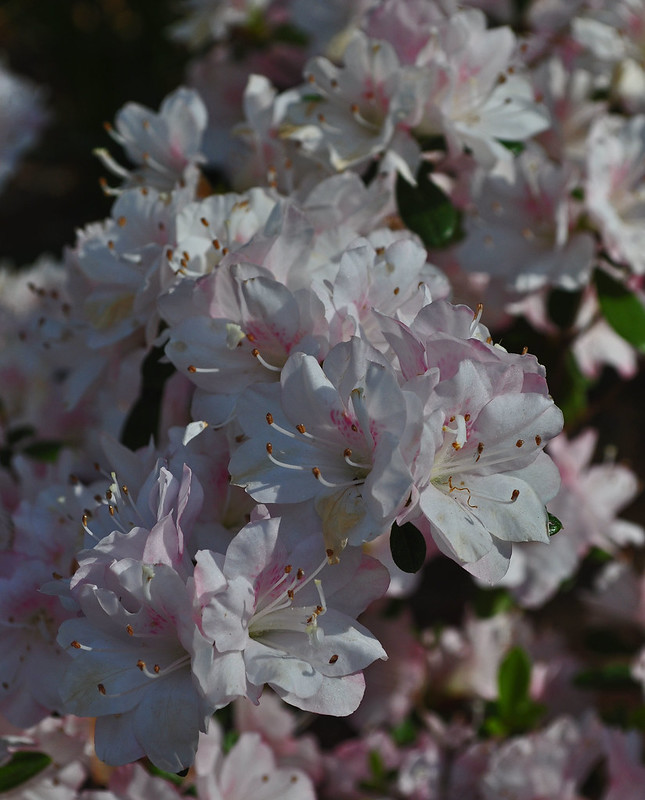
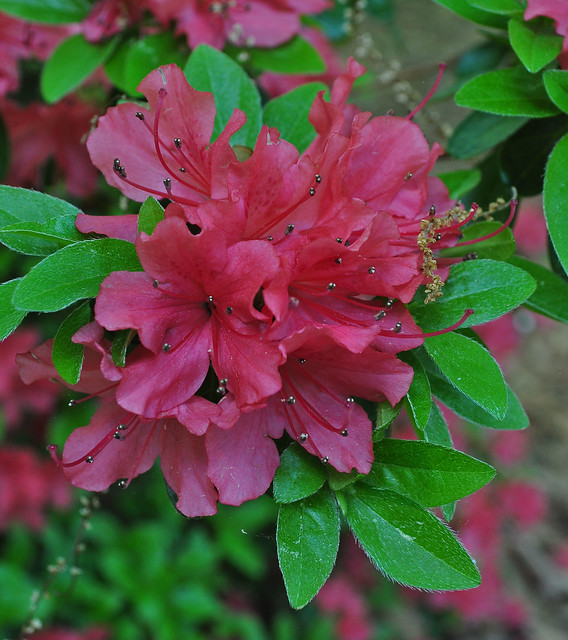
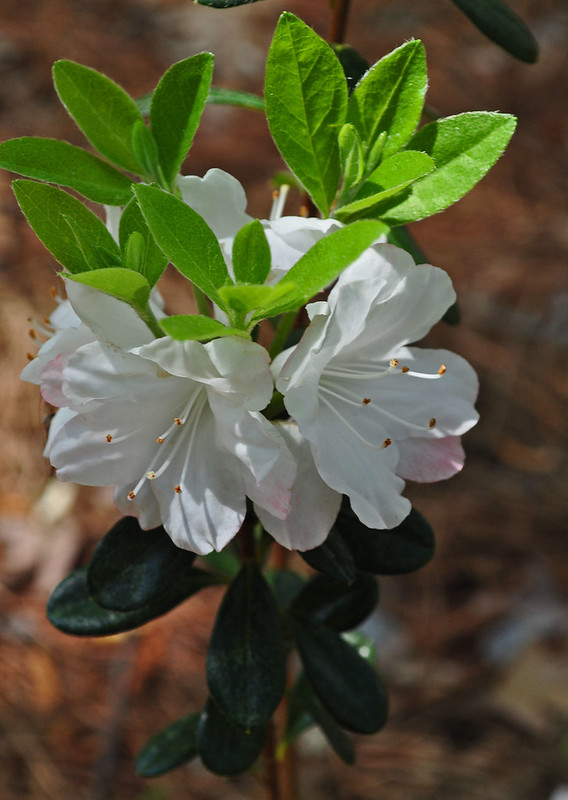
     Azalea season has come late this year, I'll blame the hideously cold and long winter. However, it has resulted in most of them blooming at once, and many parts of Tidewater are now cloaked in a riot of pink, white and red. The garden where I work is deservedly famous for its azaleas, and it takes real effort not to get distracted by all the color. One group of azaleas unique to the area are the McDonald Hybrids, developed by Dr. Sandra McDonald at Le-Mac Nursery in nearby Hampton, Va. Her goal in a decades-long breeding program was to produce hardy plants that bloomed with flowers like those more typically found on florists' azaleas. Dr. McDonald produced over 20 named cultivars and many one-of-a-kind seedlings, most of which are planted at the Norfolk Botanical Garden.
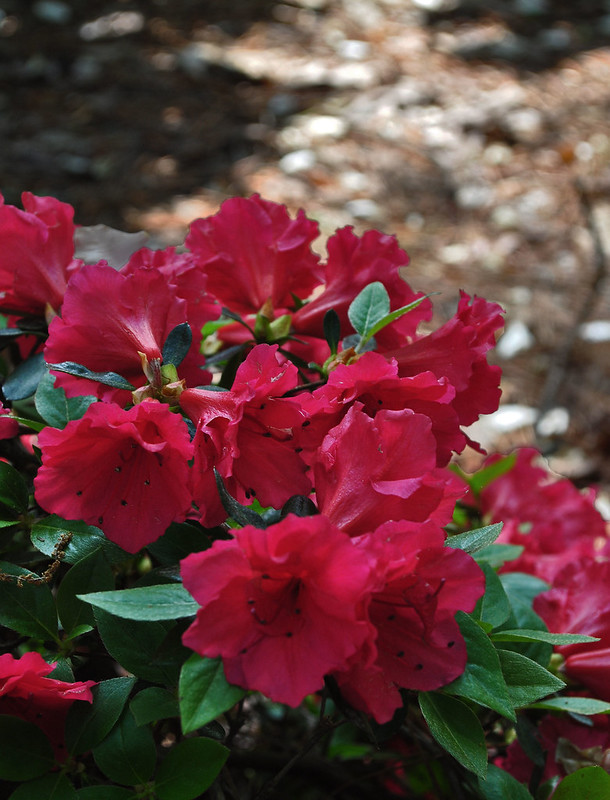
Rhododendron 'Sandra's White Surprise' (2)

Rhododendron 'Salmon Sunrise' (1)

Rhododendron 'Rosy Frills' (7)

Rhododendron 'Rosy Frills' (6)

Rhododendron 'Rosy Frills' (2)

Rhododendron 'New Generation Red' 2 (1)

Rhododendron 'Hot Shot' x 'Hershey Red Tetra' (1)

Rhododendron 'Dreamsicle' (2)

Rhododendron 'Dream Sherbert' (4)

Rhododendron 'Double Pink #2' (5)

Rhododendron 'David's Choice' 2 (1)

Rhododendron 'Dainty Rose' x 'Yaeshojo' (3)

Rhododendron 'Blushing Angel' (3)

Rhododendron 'A78-8-11' (1)

     All of the McDonald Hybrid azaleas are evergreen, hardy to zone 7-8, and grow on compact plants.

April 3, 2014

In the Moments

     Spring is not so much a season, but a sequence of moments. Last week's buds are this week's blooms and next week's fallen blossoms. This year the winter that did not want to leave pushed many early blooms later into spring, and it seems like everything is happening all at once. Blink and you might miss it.

Prunus subhirtella 'Pendula' (5)

Prunus subhirtella 'Pendula' (1)

Prunus subhirtella 'Pendula' (2)

Magnolia 'Susan' (1)

Magnolia x 'Heaven Scent' (2)

Magnolia 'Spectrum' (1)

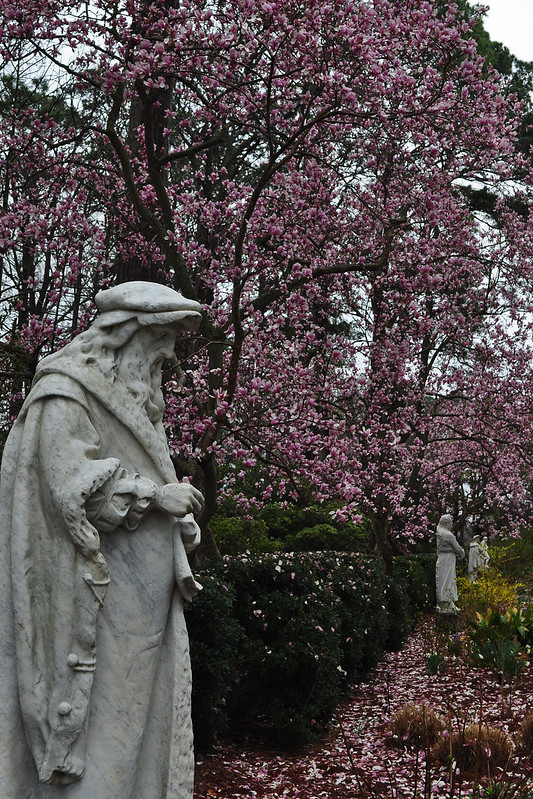
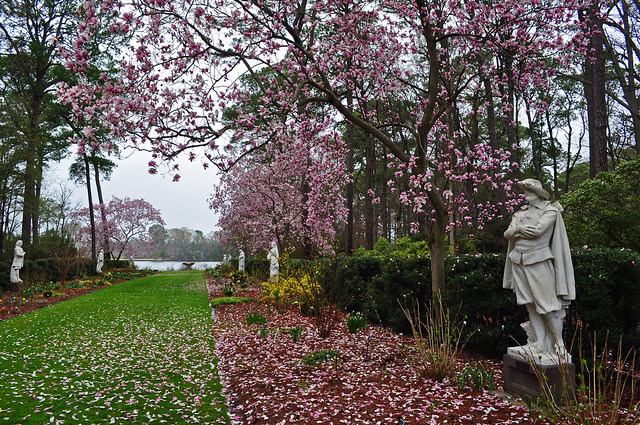
Statuary Vista (2)

Statuary Vista (1)

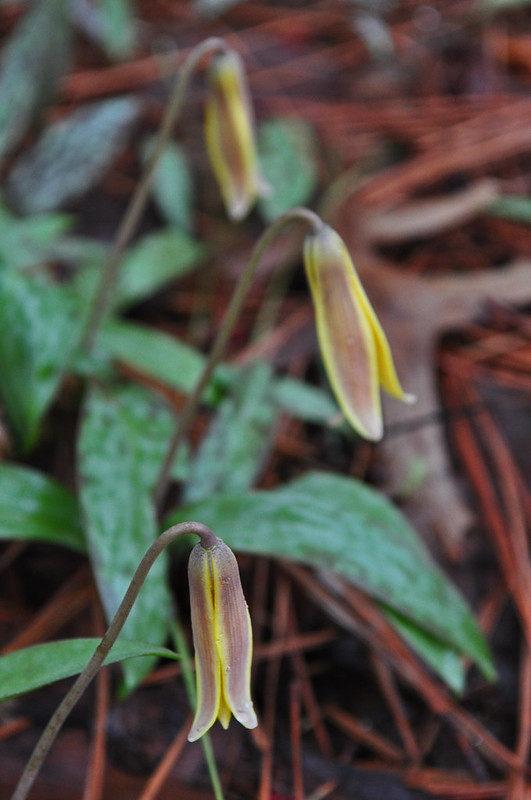
Erythronium americanum

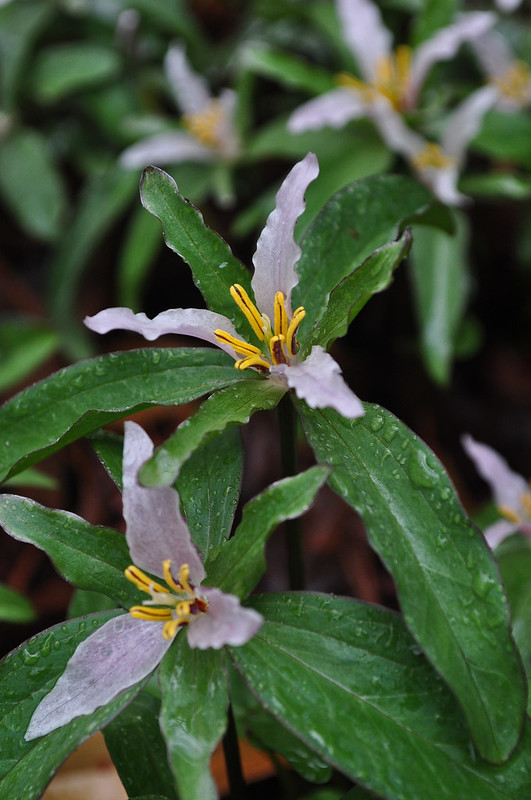
Trillium pusillium var. pusillium

Baker Hall  (3)

Baker Hall  (1)

(All of the pictures in this post were taken last Sunday at the Norfolk Botanical Garden.)

     To my fellow bloggers, I apologize for not visiting lately, but I've been tied up trying to prepare for several classes I've never taught before, writing overdue articles, and becoming reacquainted with my own garden. I'll try to make the rounds this weekend, unless of course the weather's nice.