An unapologetic plant geek shares advice and opinions on gardening, the contrived and the natural landscape, as well as occasional topics from the other side of the gate.
Showing posts with label Isle of Wight. Show all posts

May 1, 2016

Barred Owls and Buttercups

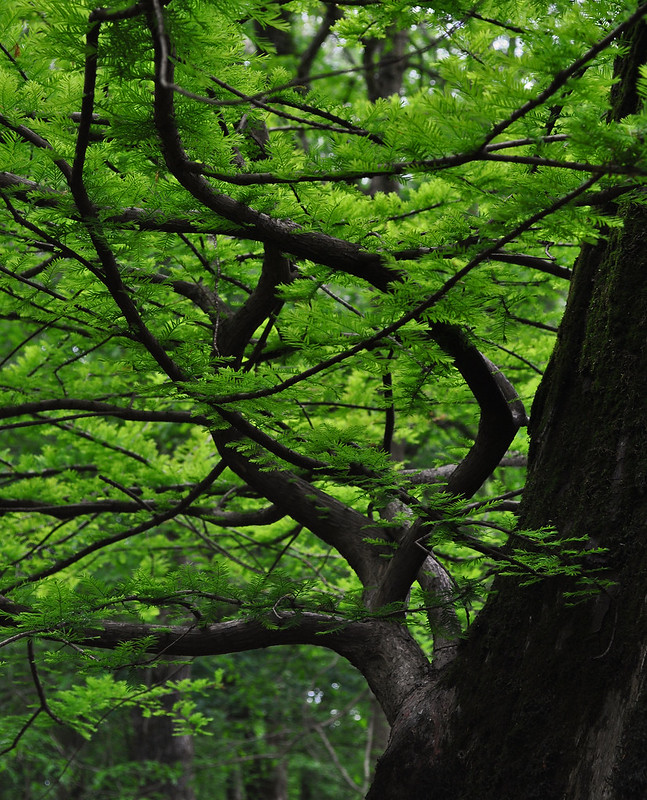
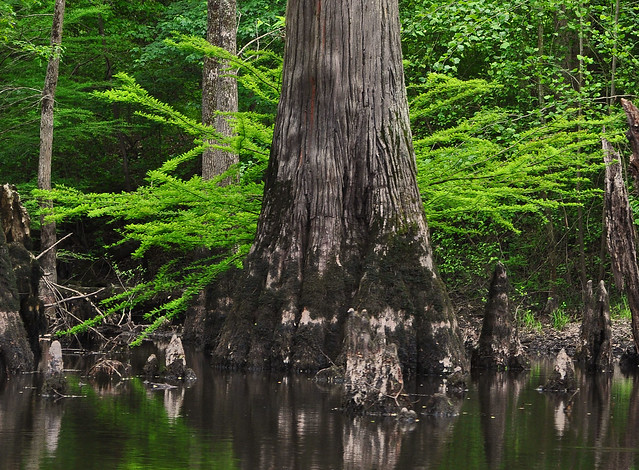
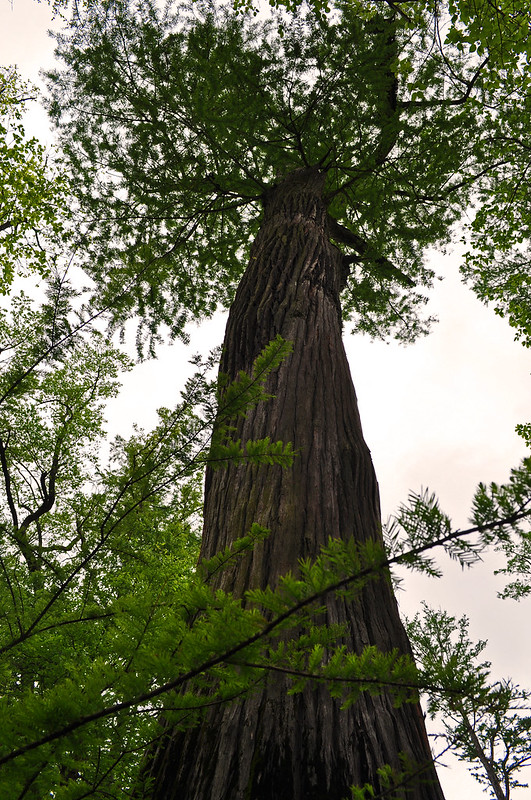
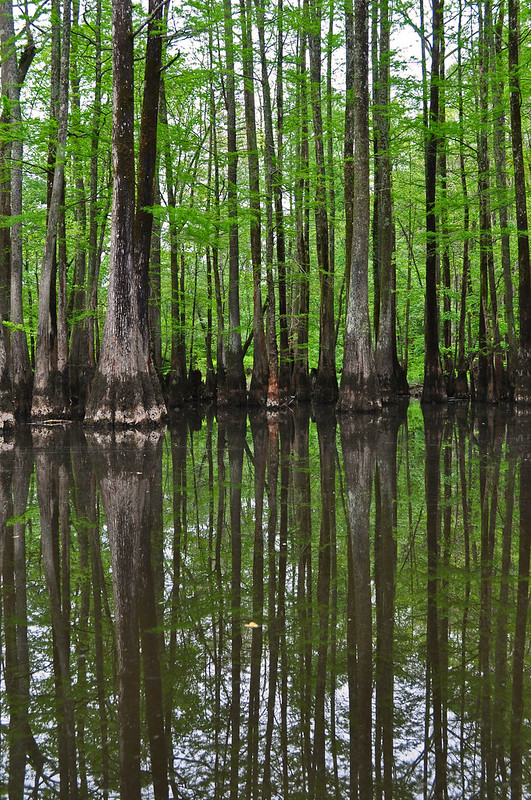
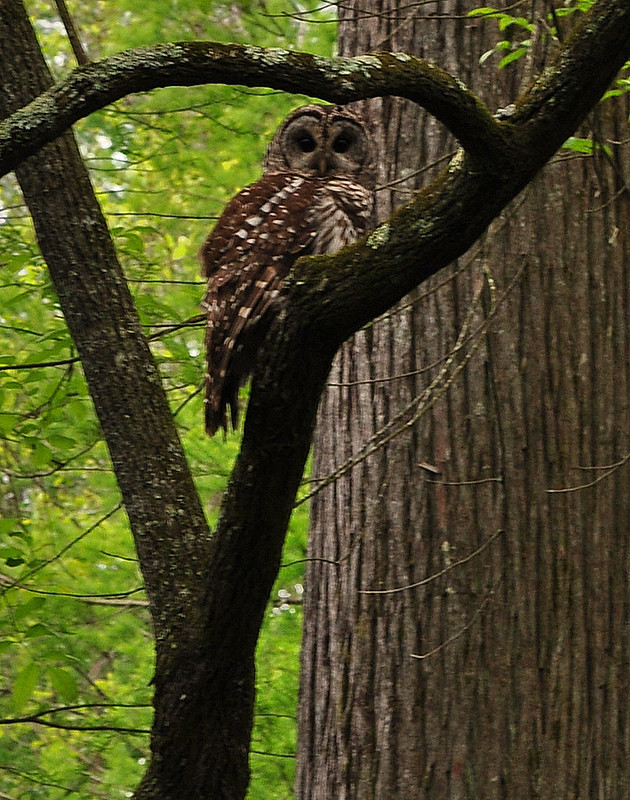
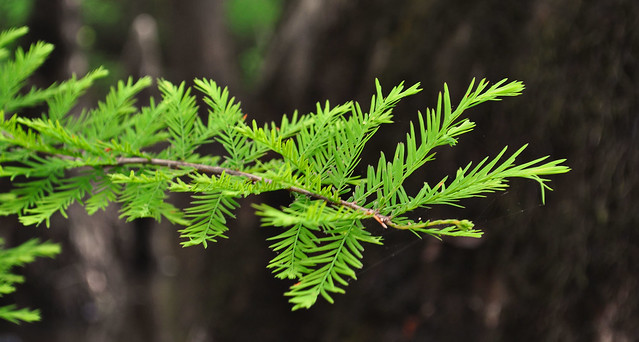
     Yesterday I took my first paddle of the year. While I had opportunities to go earlier in the year, it was way too cool. When warmer temperatures did arrive I was under doctor's orders not to lift anything over 20 lbs until the end of April. Yesterday was not ideal with strong northeasterly winds, overcast skies, and with the threat of rain, but I would not be deterred. I headed inland and west to the Blackwater River, and put in at Joyner's Bridge near Walters. This river is lined with one of my favorite trees, bald cypress (Taxodium distichum), freshly leafed out in an impossible shade of green. Paddling among these giants connects me with something much older and much larger than myself. This genus has witnessed 100 million springs, when the first seedlings somehow manged to avoid trampling from creatures like Tyrannosaurus Rex, while Pterosaurs flew overhead. While I saw neither creature yesterday, their descendants were numerous. Ospreys, great blue herons, cardinals, crows, wrens, sparrows, yellow warblers, wood ducks, wild turkeys, and pileated woodpeckers were all present, but the greatest thrill was being able to approach a barred owl while smaller birds were trying to peck its head.
Taxodium distichum (5)

Taxodium distichum (6)

Taxodium distichum (1)

Taxodium distichum (7)

Taxodium distichum (2)

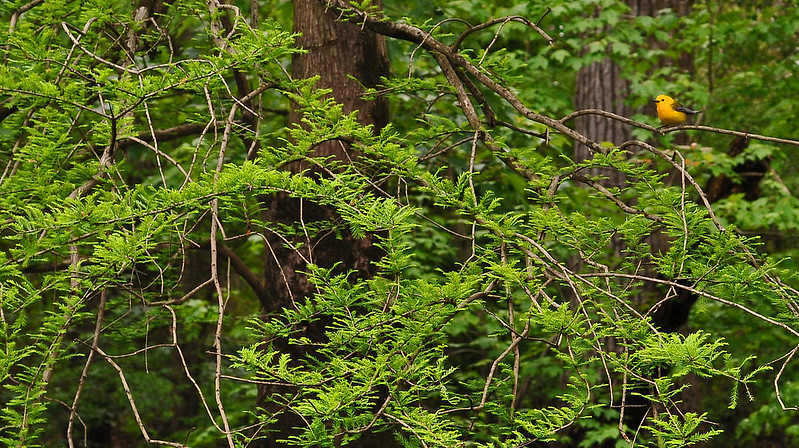
Bald Cypress with Yellow Warbler

Barred Owl

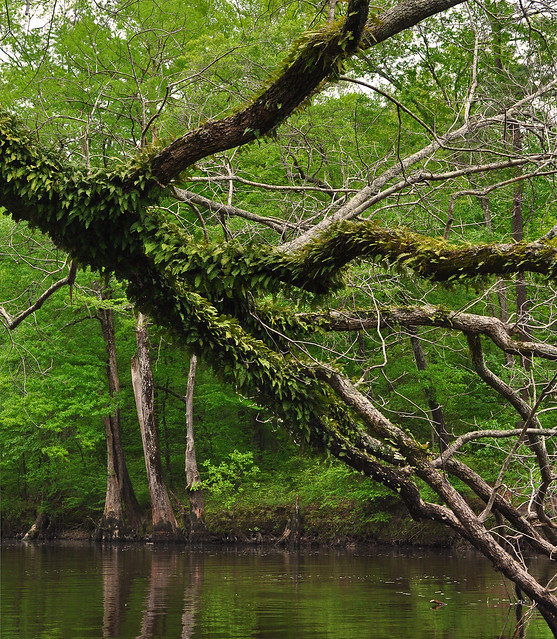
     Of course the cypress were not the only plants I noticed. Resurrection fern (Pleopeltis polypodioides) was full and fresh from recent rains.
Pleopeltis polypodioides (2)

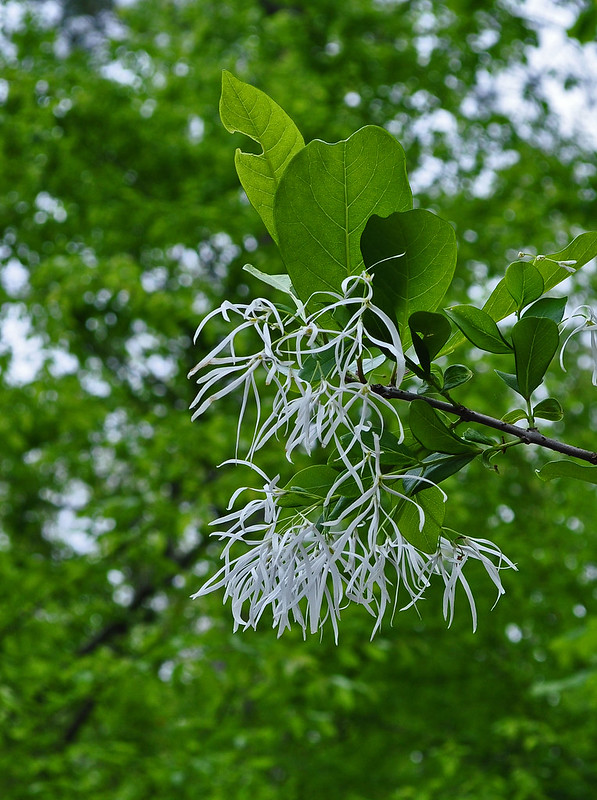
     Fringe Tree (Chionanthus virginicus)
Chionanthus virginicus (2)

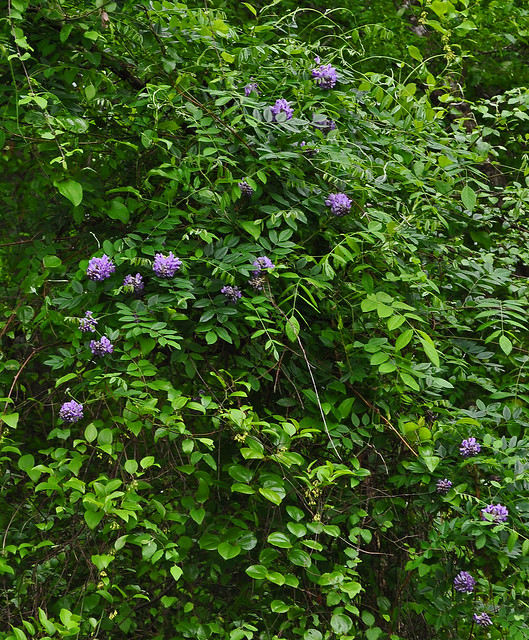
     American Wisteria (Wisteria frutescens)
Wisteria frutescens

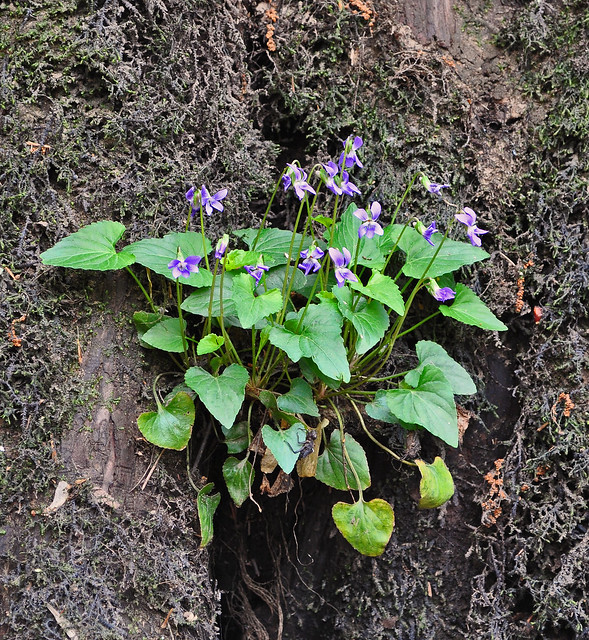
Viola affinis
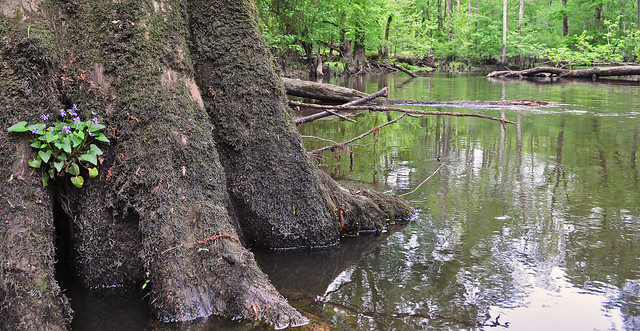
Viola cucullata

Viola cucullata (2)

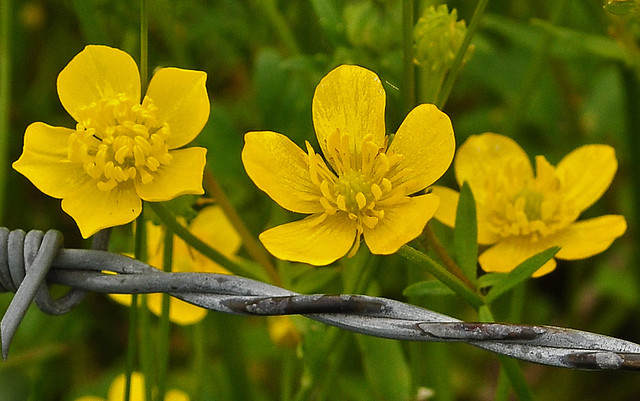
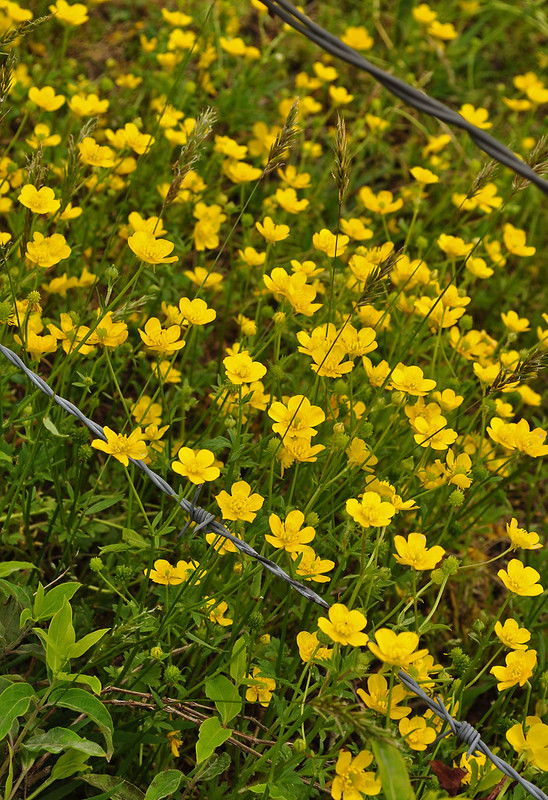
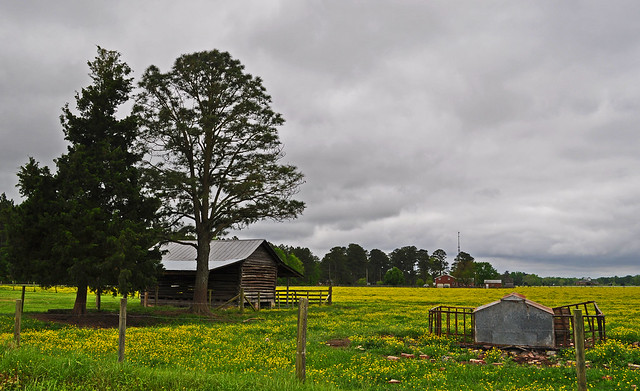
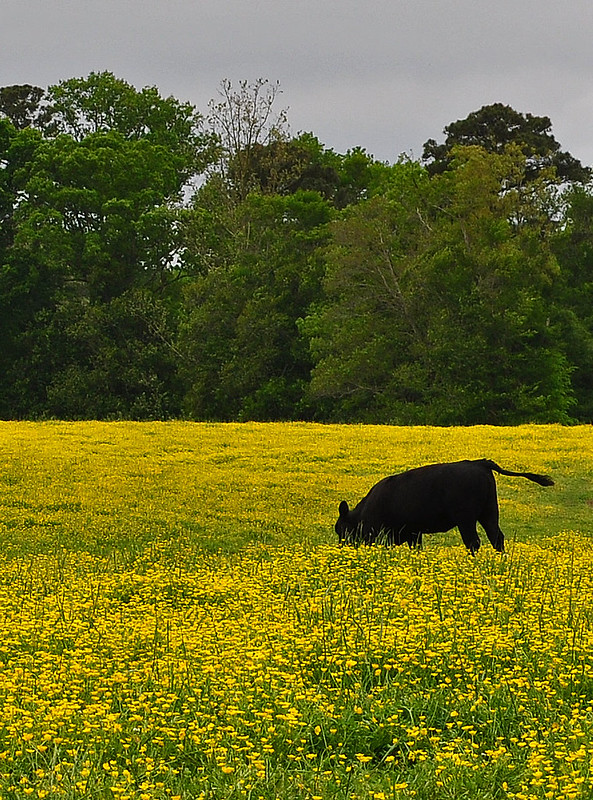
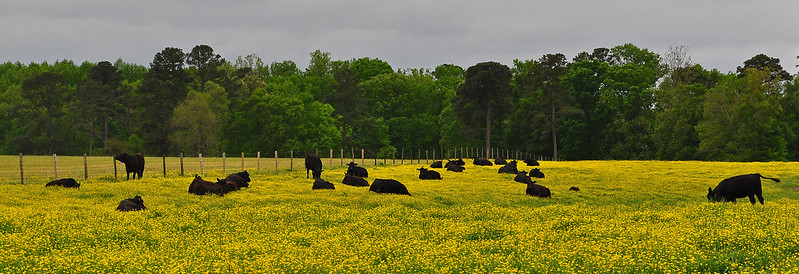
     As green as the river was, many of the nearby fields were equally as yellow, cloaked in a blanket of buttercups (Ranunculus species), and I couldn't help stopping for a quick trespass. This European invasive is toxic to cattle and horses, but it is also distasteful, and when there is enough good forage livestock avoid it.
Buttercups (Ranunculus) (7)

Buttercups (Ranunculus) (6)

Buttercups (Ranunculus) (2)

Buttercups (Ranunculus) (3)

Buttercups (Ranunculus) (4)

April 7, 2016

Zuni Pine Barrens

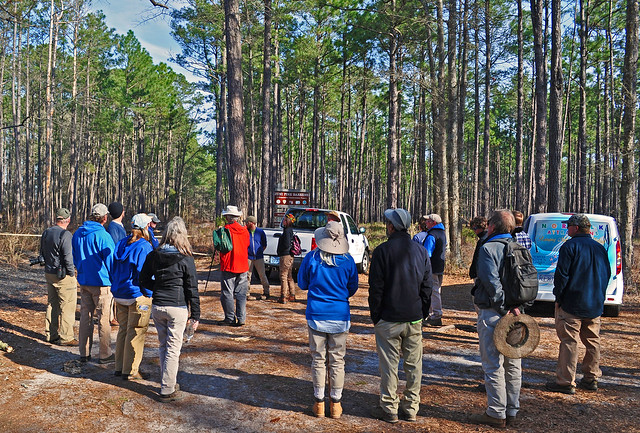
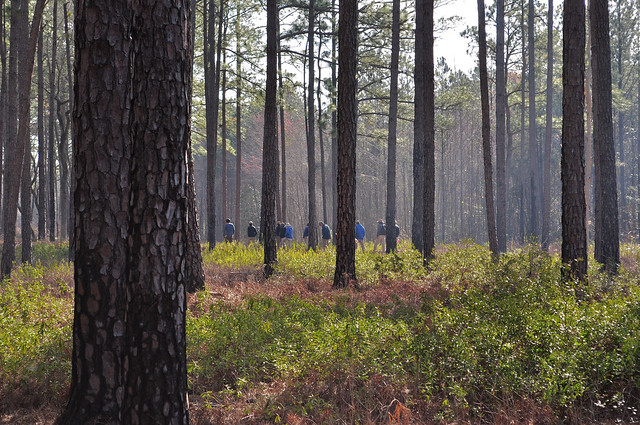
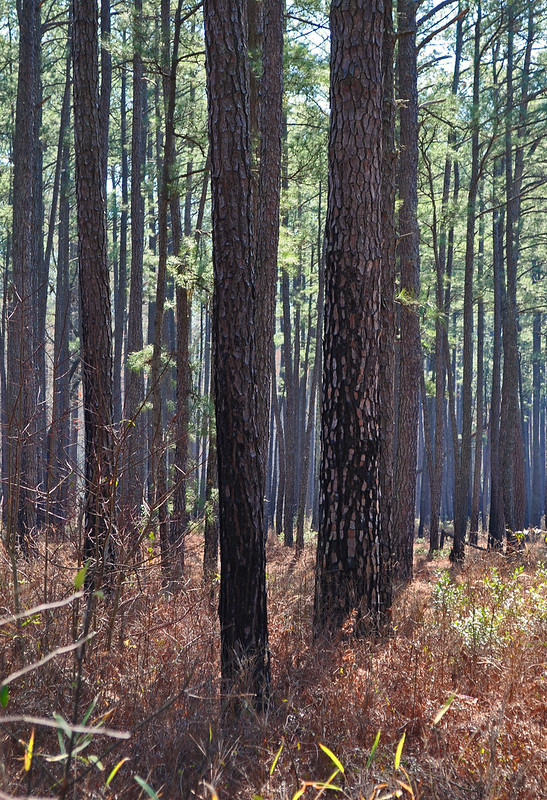
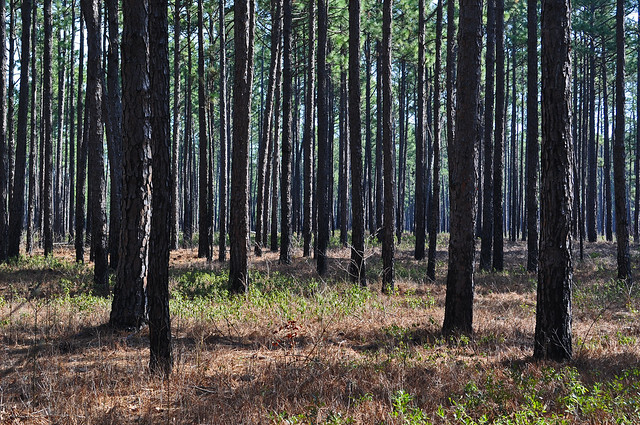
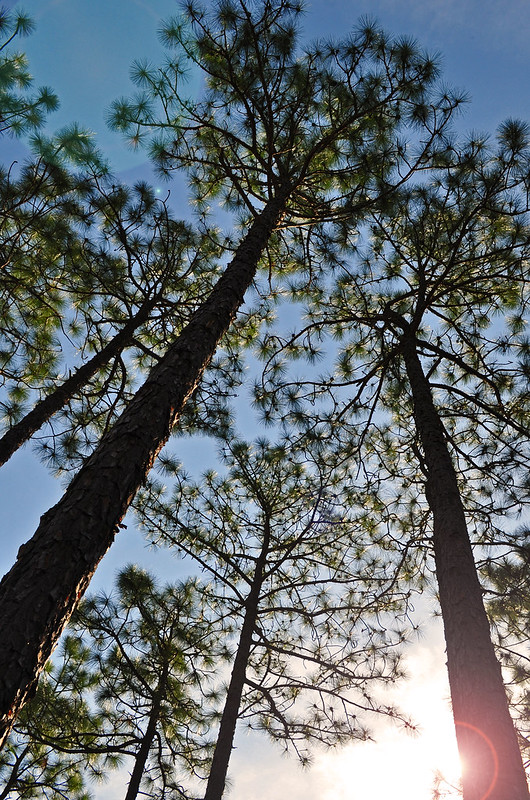
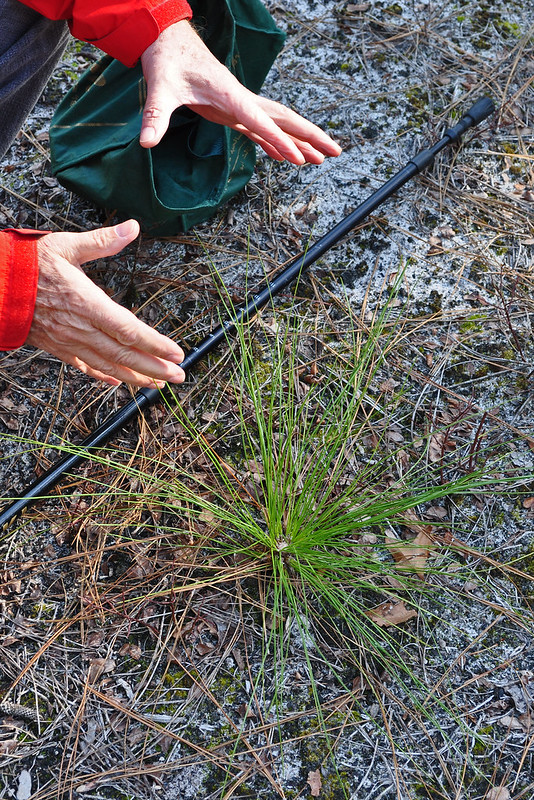
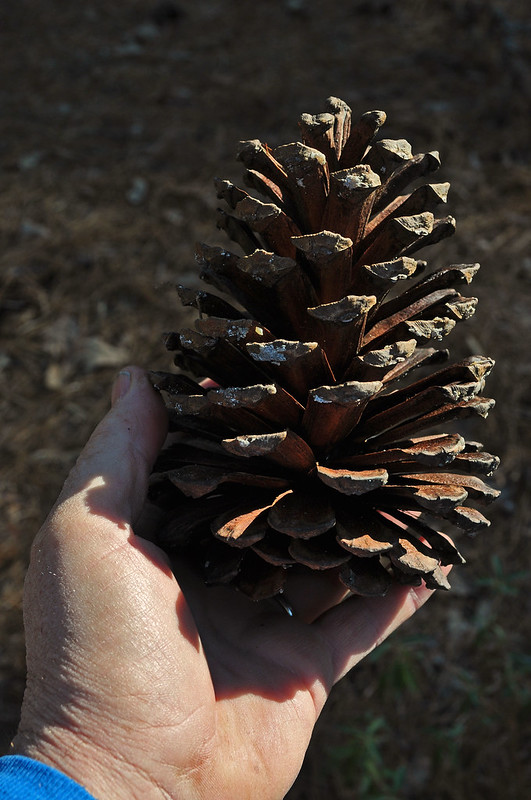
     Back in March (which already feels like so long ago) most of the Hort. Dept. at work piled into rental vans and drove westward to reach the Zuni Pine Barrens along the Blackwater River in Isle of Wight Co. There we were met by Dr. Lytton Musselman and Peter Schafran of Old Dominion University (ODU), both of whom are experts in several subjects, including Zuni and its longleaf pine (Pinus palustris) ecosystem. The pine is the keystone species at Zuni, and this spot is the last vestige of its northern-most limit. This type of ecosystem once covered close to 100 million acres, from southeastern Virginia to Texas; 3 million acres remain today. Longleaf pine was so important to the settlement of this part of the state, that it is sometimes referred to as "The Tree That Built Tidewater". Its hard wood was preferred for ship's masts, and more importantly, it resins were harvested for the tar, pitch, and turpentine necessary for building wooden ships. Today shipbuilding remains a key component to the area's economy, and it all started with the longleaf pine. Over-harvesting, feral pigs, and fire suppression have all played a role this tree's near disappearance locally, but at Zuni, ODU and the State of Virginia are increasing the acreage of this ecosystem, one of Virginia's rarest. 
Musselman Teaches (2)

Zuni Pine Barrens (10)

Zuni Pine Barrens (9)

Zuni Pine Barrens (6)

Zuni Pine Barrens (12)

Musselman Teaches (4)

Pinus palustris

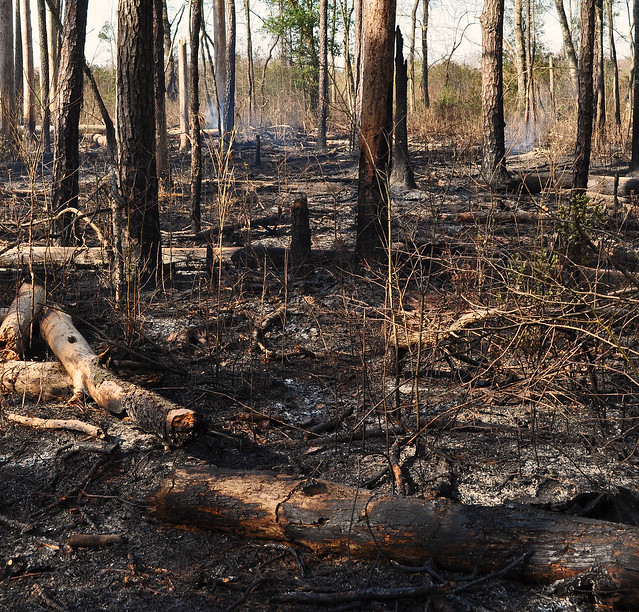
     Fire is a key component in the life cycle of the longleaf pine, and regular slow burning is needed to restore and maintain this ecosystem. While we were there drifts of smoke blew across the refuge from some still smoldering hot spots leftover from a recent burn.
Controlled Burn (2)

     
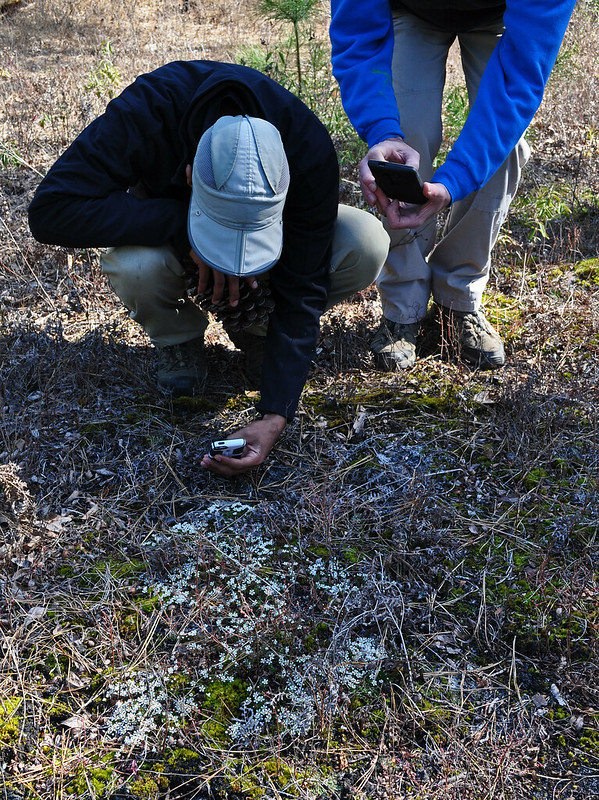
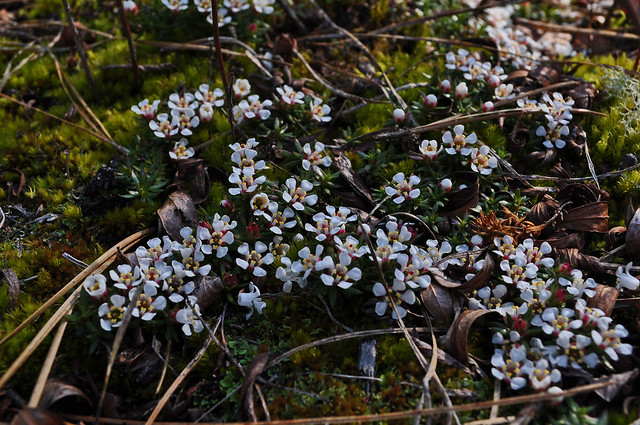
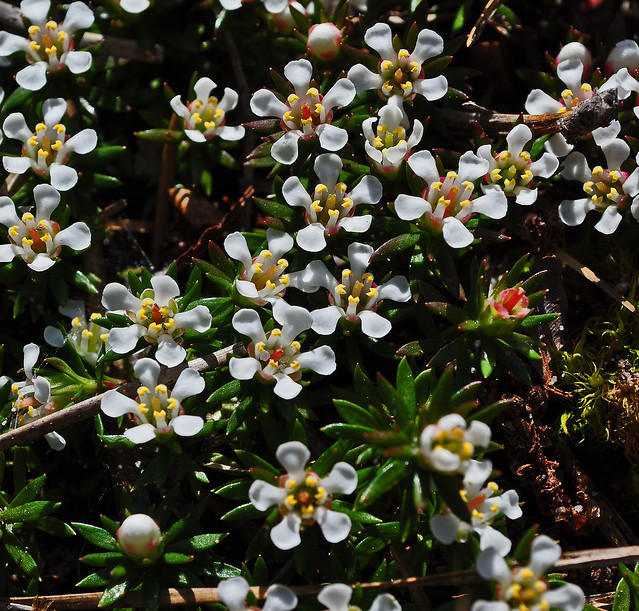
     Despite how it may appear, and what the word "barren" brings to mind, Zuni is home to one of the most diverse array of plant species in the state, some of them quite rare. One that we were all excited to see bloom during our visit was pyxie moss (Pyxidanthera barbulata), and Zuni is the only place in the state where it naturally occurs. It is not really a moss, but a subshrub that thrives in the sandy soil, and withstands the occasional fire.
DSC_0167

Pyxidanthera barbulata- Pyxie Moss (2)

Pyxidanthera barbulata- Pyxie Moss (1)

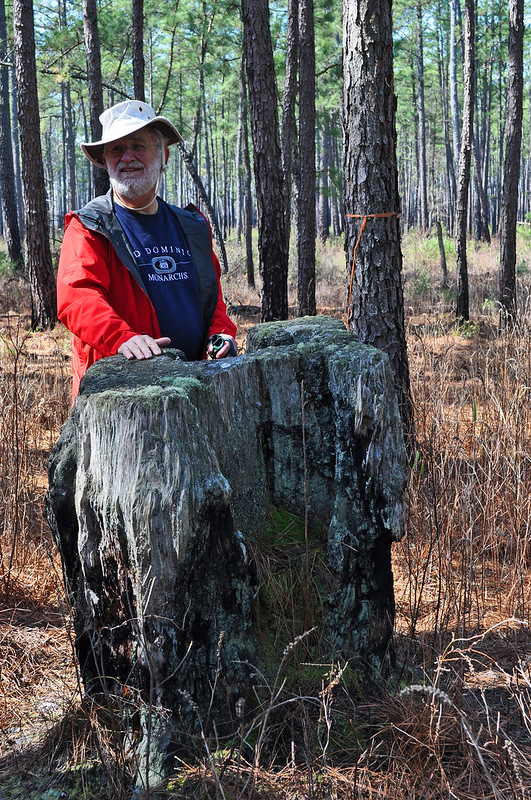
     Towards the end our time at Zuni, Dr. Musselman ascended a 300 year old longleaf pulpit. It still bears the scars from being "boxed", which was one way resin was harvested, not too dissimilar from tapping a maple to make syrup.
Musselman Preaches (7)

December 12, 2010

Sometimes a Parade Is Needed

Over the years the holiday season has lost much of the luster it once had for me. Perhaps a career in retail where Christmas begins in October and the emphasis on acquisition over all else, can be blamed. This year there are also other events keeping the holiday lights a little less bright for me. Several people I care about are going through life changing events with uncertain outcomes. Combining all of this with seasonal logistics and hustle can make it difficult to step back and actually enjoy this time of year and what it has to offer.

In an effort to help lift the brewing holiday funk, a parade was in order. On Saturday Penny and I walked with the Isle of Wight Humane Society in the town of Smithfield's Christmas parade. My son and his buddy also came along and were enlisted to walk available dogs. All four of us had a great time enjoying a big event for a small town. Penny especially had a good time seeing old friends and meeting new dogs, plus she really liked working the crowds and soaking up their attentions. We had to leave poor Loretta at home, as she is not fond of loud noises, strange situations or crowds which kind of keeps parades off of her to-do list.

Here are a good number of the participants taking one last trip to the fire hydrant before the parade started.

The Humane Society


Penny did not like the jingles on her costume and kept trying in vain to remove them.

Penny Did Not Like Her Jingles


While we were waiting for the parade to start, I had time to fall in love with Teegan...

Teegan


... and this lovely hound.

A Lovely Hound


Everyone was glad when the things finally got underway.

Dogs on Main St


As much as I would disagree, most people want a little more out of a parade than seeing a few dogs walk by, and the viewers were not disappointed.

Mini-Cars


Grinch in a Vette


There's No Place Like Home


Sheriff Taylor


Ring Girls


White


Twirlers


Stay on the Curb


Girls Like Trucks


Smile and wave to the judges.

Make Nice for the Judges


Being able to participate in the Christmas parade did me a lot of good and should be part of what keeps me grounded during the holidays. I urge each of you to steal a moment (or several) away from what can be a stressful time of year and enjoy the things that seek to make it otherwise.

September 20, 2010

To the County Fair

Saturday we headed west to enjoy a day of stellar weather at the Isle of Wight County Fair. We were able to see prized produce and poultry, watch tractor pulls and lawn mower races, get in a lot of people watching, consider questionable rides, eat some really good BBQ, study a vast array of tattoos and have others worry about our salvation. I also got take a few photos.

Lemonade and Funnel Cakes


Contemplative Chicken


Wary Chicken


Complacent Chicken


Don't Skid on the Kids


Brown and White Bunny


Bunny Eye


Compensatin' F350


Snout


Jr. Pilot


Elephant Wash


Cattle 2


Caged Animals


Honarable Mention


Some might think that events like this no longer have much of a place in the America of 2010, but I am very glad they persist.