Showing posts with label Hiking Trails. Show all posts
February 3, 2018
T. Tyler Potterfield Memorial Bridge
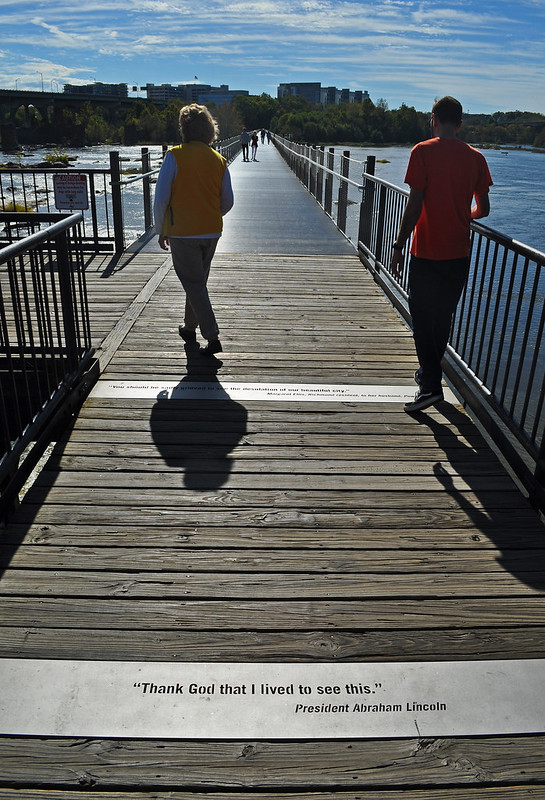
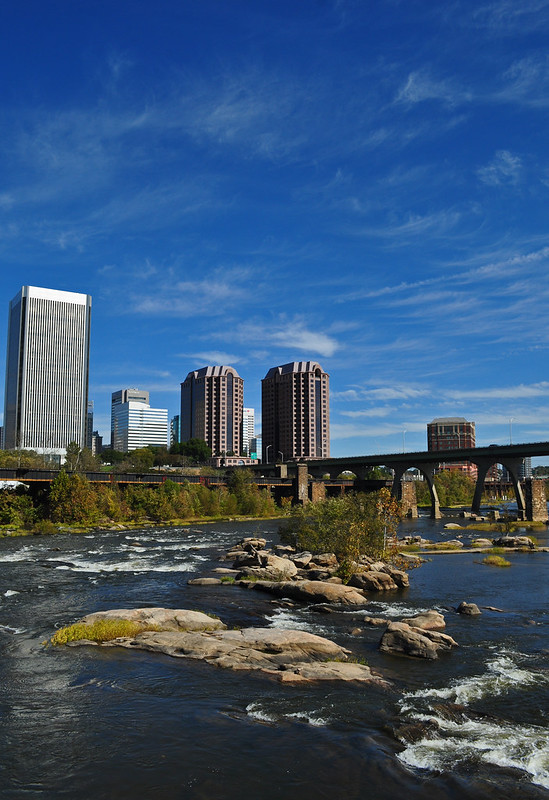
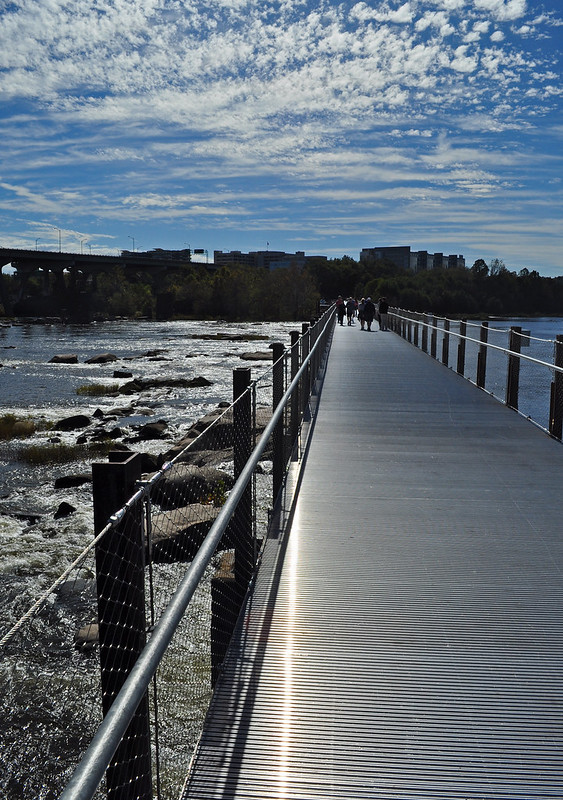
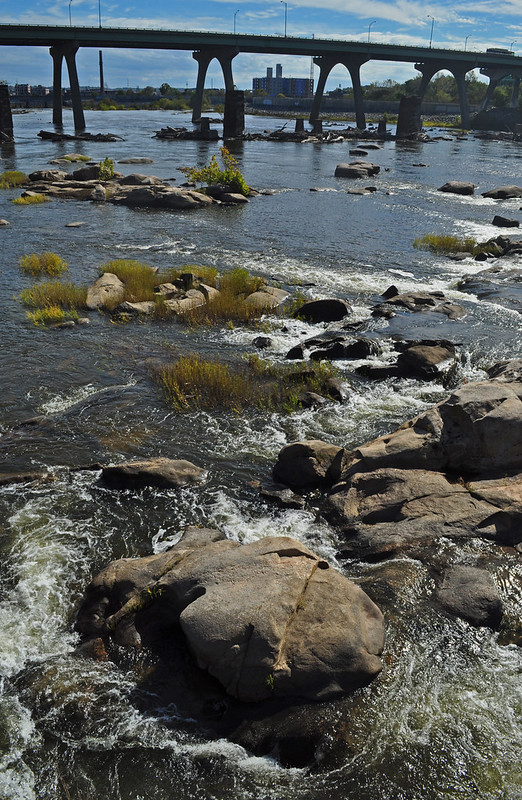
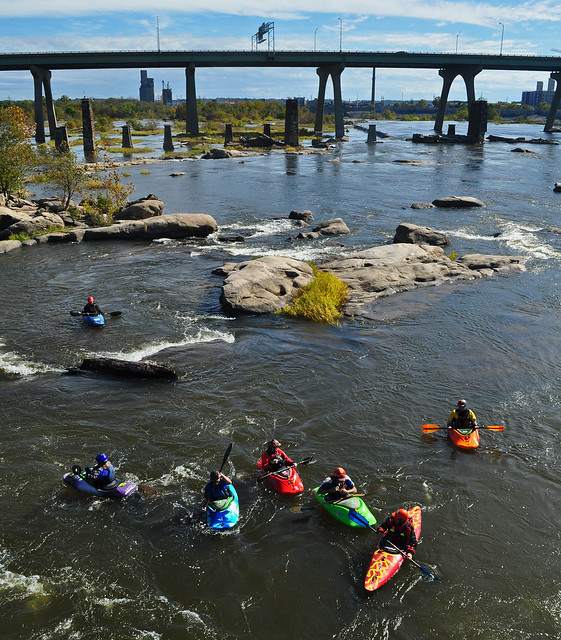
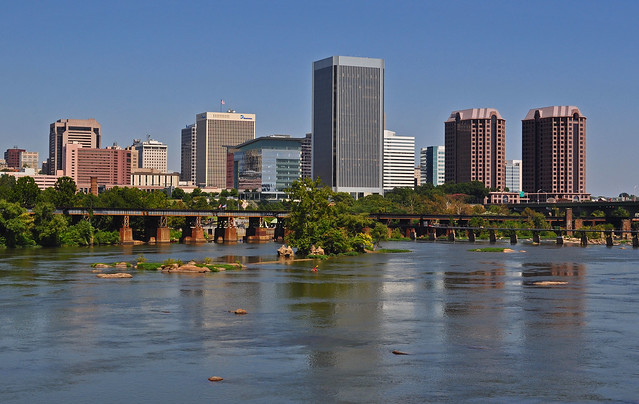
Back in October, my wife, a friend, and I traveled to Richmond for the day to celebrate my son's birthday. After a delightful lunch we headed down to the James, as I wanted to see the relatively new Potterfield Bridge. The pedestrian and bike only bridge is built atop the stone piers of an old hydroelectric structure, allowing visitors cross the river 20' above the quick waters. The bridge is named after T. Tyler Potterfield who was passionate about his adopted city, and before he died at a young age, was the project manager for the bridge that now bears his name. The north entrance commemorates the fall of Richmond in 1865, over the falls of Richmond. Embedded into the bridge deck are quotes from various people, famous and not, who were present then. The south entrance in Manchester is marked by Joshua Wiener's The Path Untraveled, a series of 8 17' tall large coreten steel rings that seem to roll across the landscape.
Labels:
Day Trip,
Fun On the Water,
Hiking Trails,
James River,
Richmond
August 30, 2016
Back to Belle Isle
Well hello! Why yes, I do still blog, though lately not often. It's just that I've been working very hard this summer, and playing equally as hard. I also helped throw a big party, spent time dodging a health bullet, and lastly, but not leastly, we managed to get our only child off to college. This last item was why I found myself in Richmond, and at VCU, two weekends in a row. He said "no" when I first asked if he wanted to bring his bike when we took him and his things up for dorm move-in weekend. However, sometime in the ensuing week he changed his mind, and I ran it up to him this past weekend. I didn't mind, the trip is just two hours, and I wanted to see him, the dogs did too, plus I enjoy Richmond. Although I wasn't born there, it was where I was raised, and I guess I still call it my hometown.
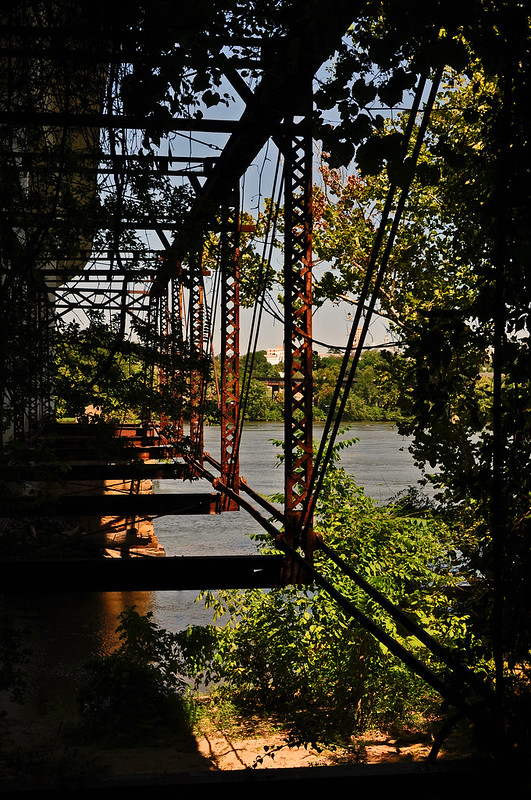
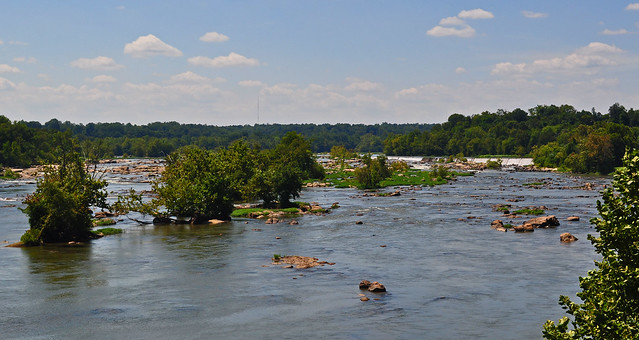
After my delivery was made, lunch eaten, and recent dorm room enhancements viewed and complemented, the dogs and I traveled a few blocks down to the James River for a hike to Belle Isle. In my late teens and twenties, my friends and I would often have great adventures there. To reach the island back then we would hop the rocks if the water was low enough. Otherwise, we had to scale a stone railroad support column, using old electrical cables to reach an abandoned trestle, then we crossed over the rushing water, while avoiding the missing, rotten or loose railroad ties. Once there we usually had the island to ourselves, and could explore its flood-ravaged, abandoned buildings unhindered. These days the island can be reached by a pedestrian bridge that is suspended from the undersides of the Lee Bridge. Judging by the full parking lot, and all of the people on the island, Belle Isle today must be one of the city's most popular attractions.
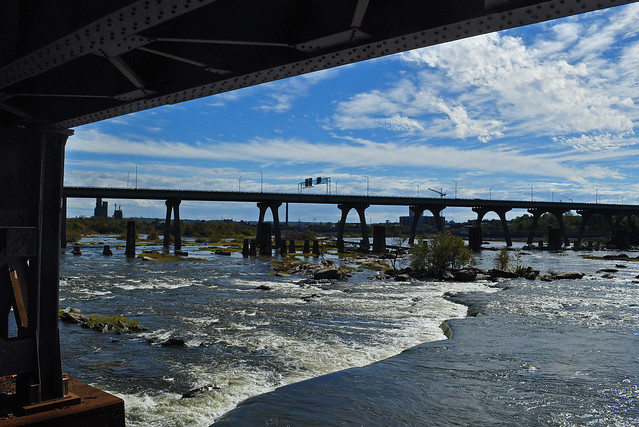
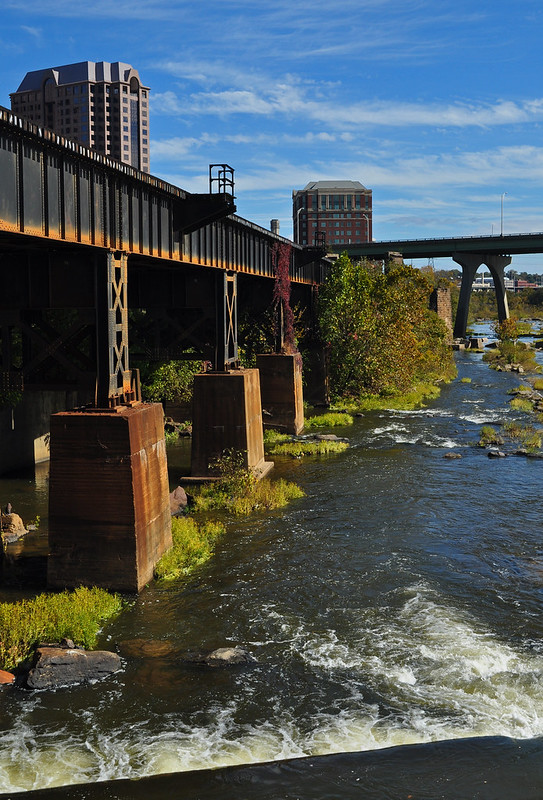
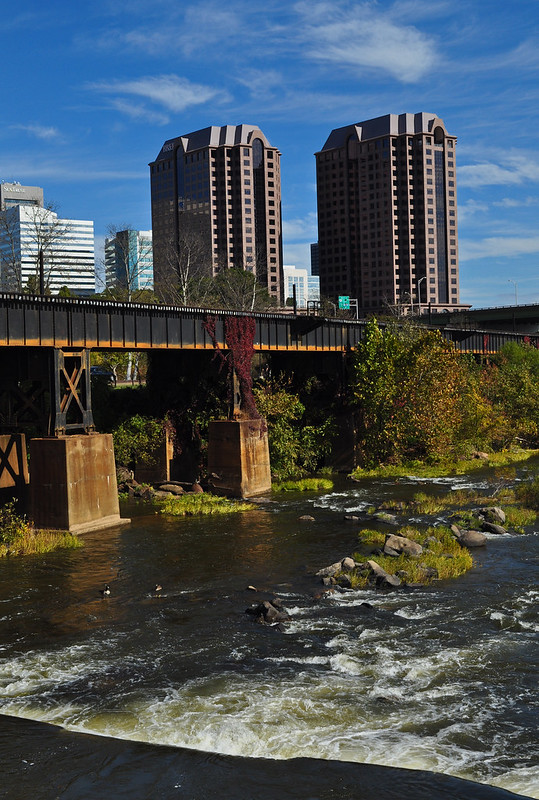
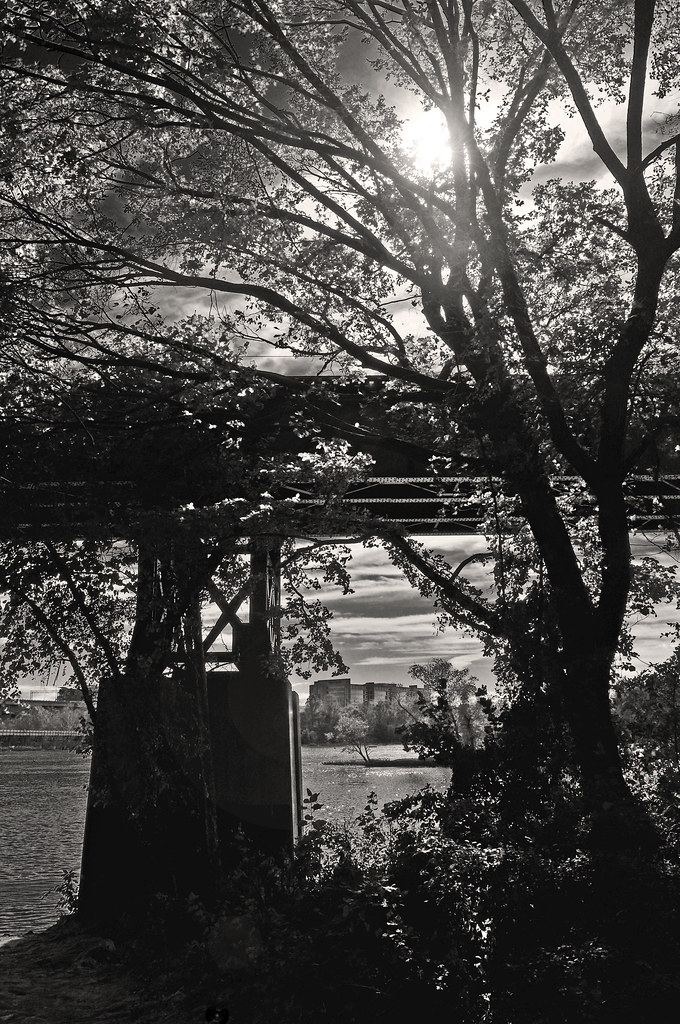
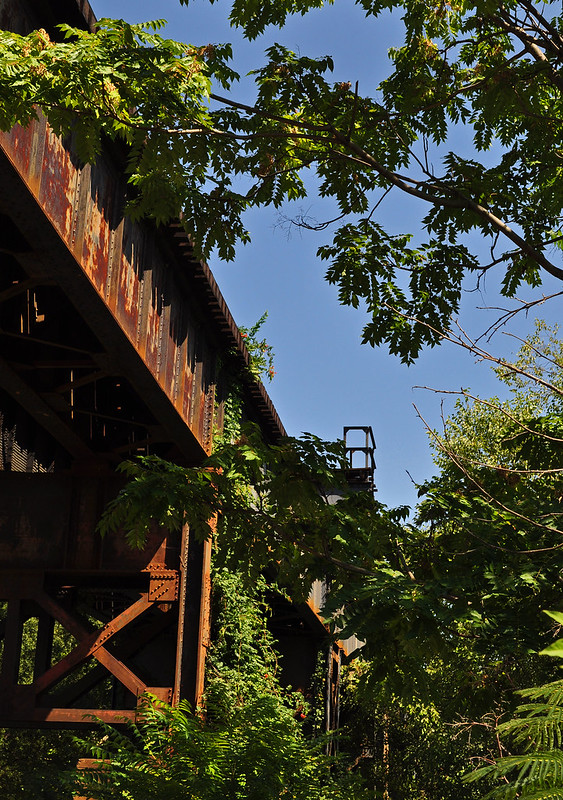
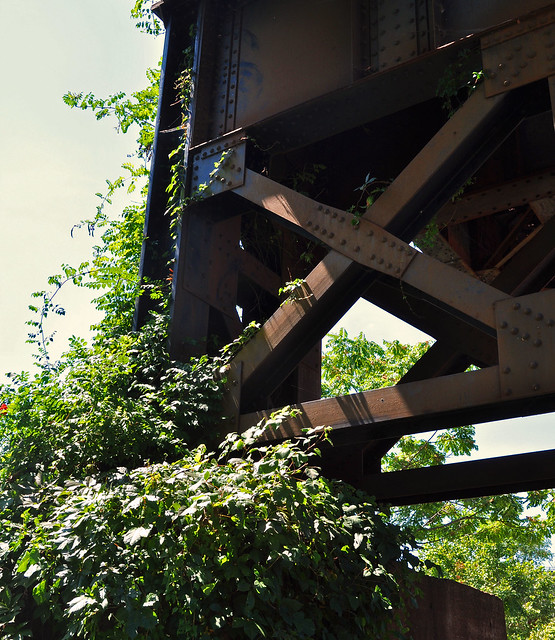
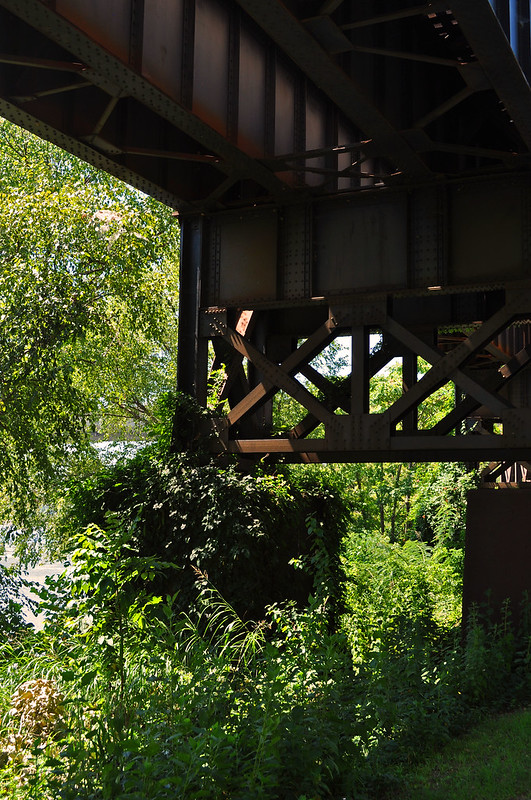
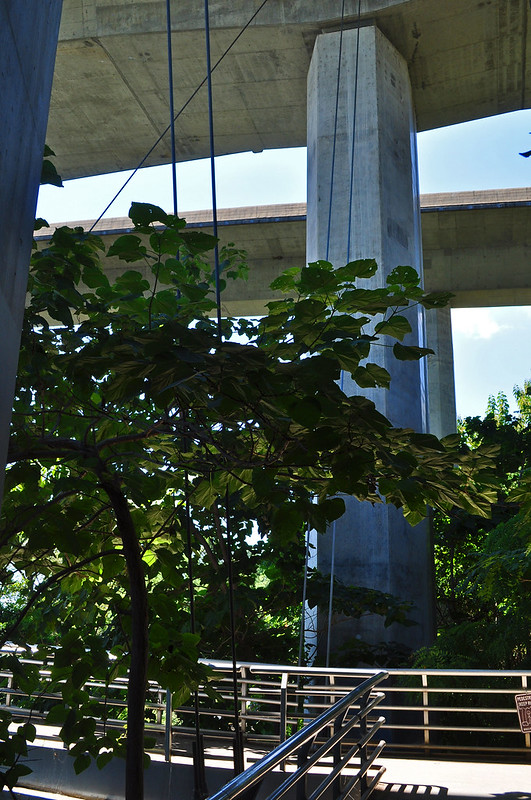
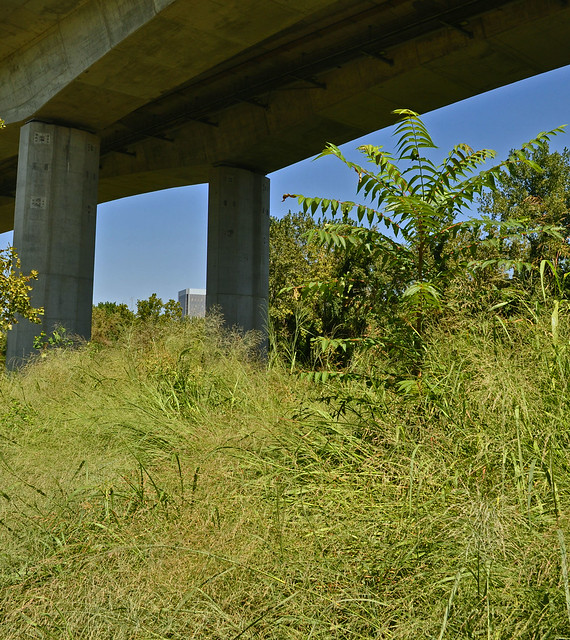
To reach the footbridge, I first had to walk underneath the still active CSX trestle, cars overhead carrying coal to the coast.
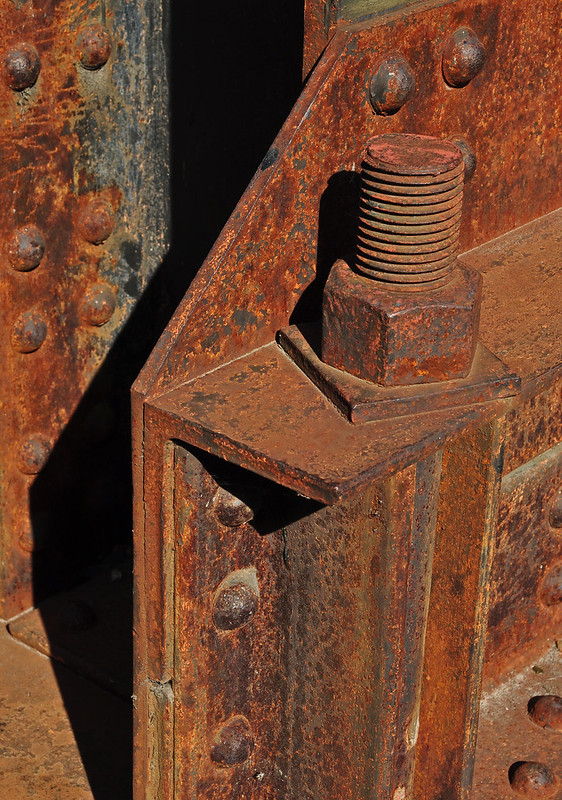
You can easily tell that the railroad trestle, and the current incarnation of the Lee Bridge (from which the footbridge is suspended) were built in different eras.
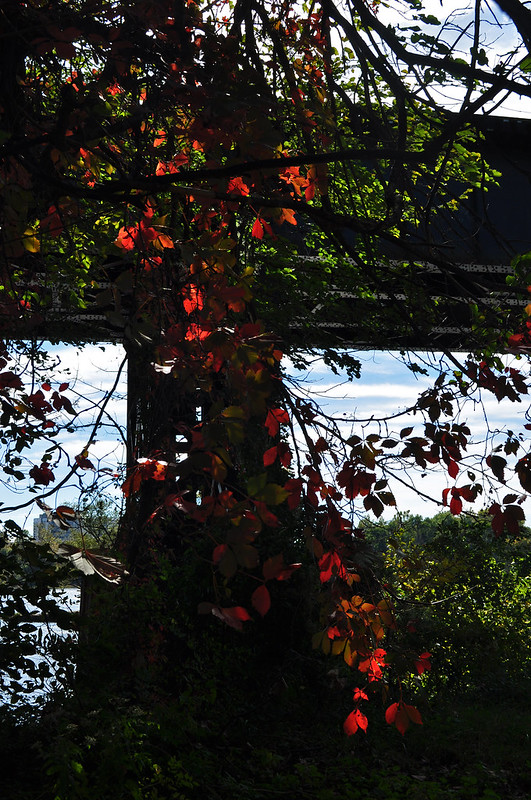
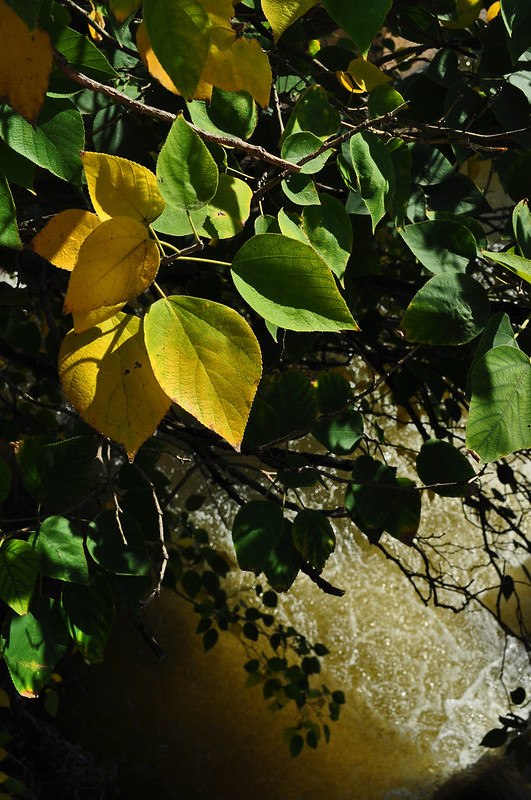
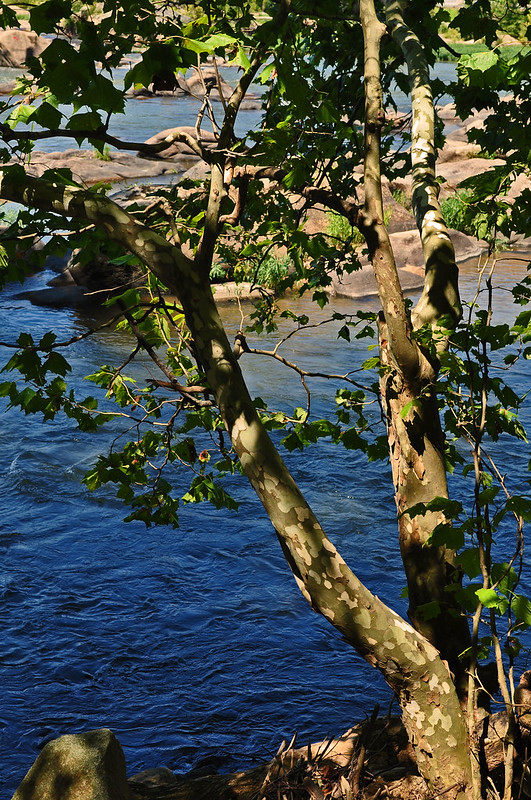
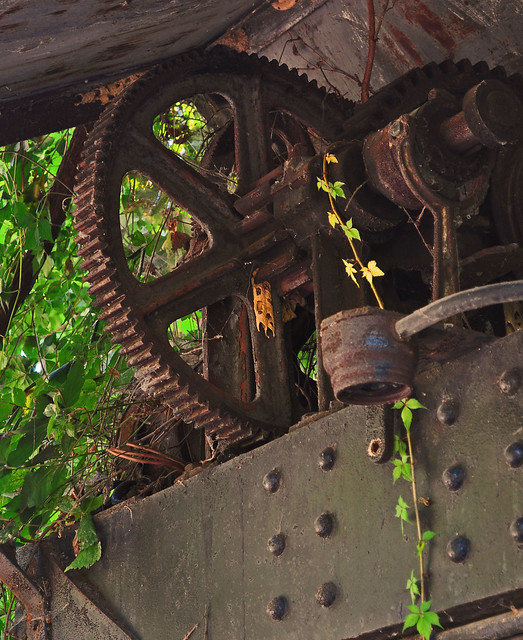
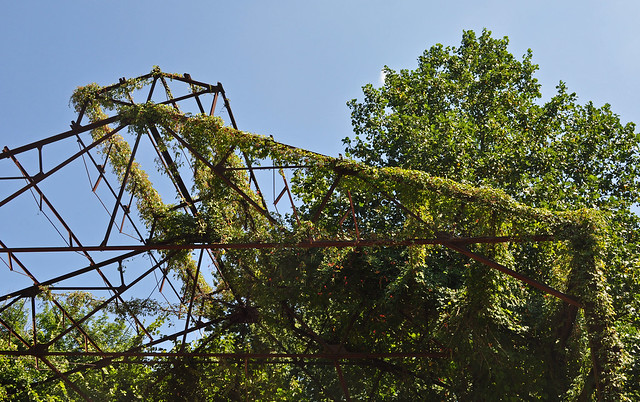
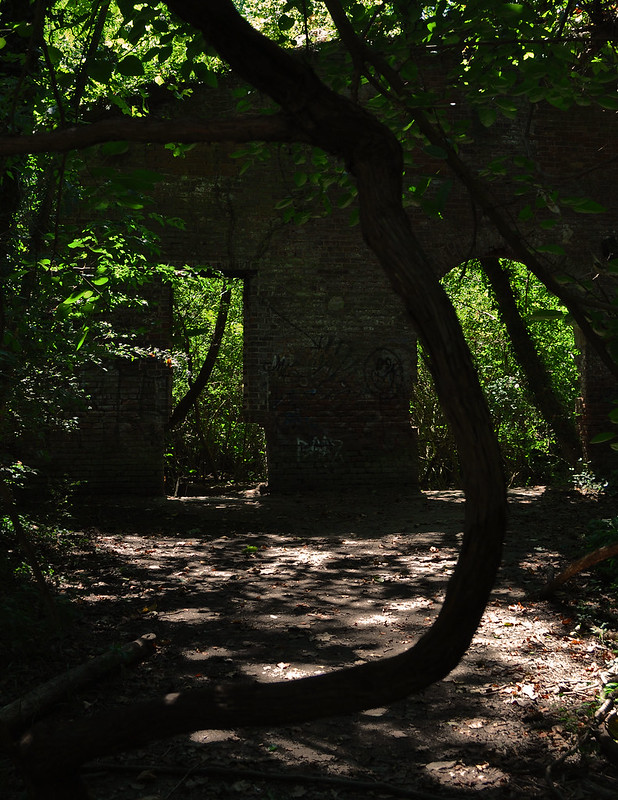
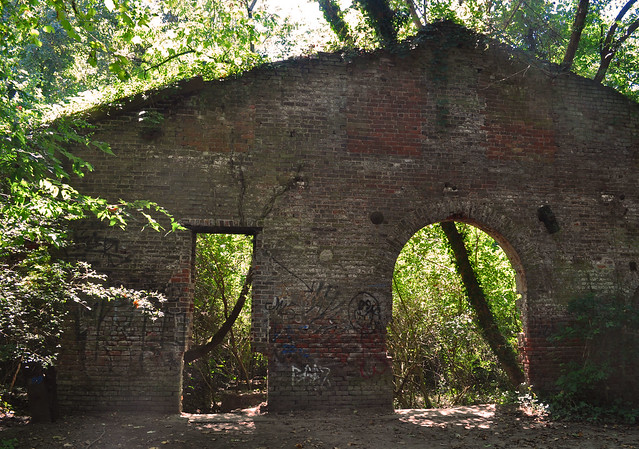
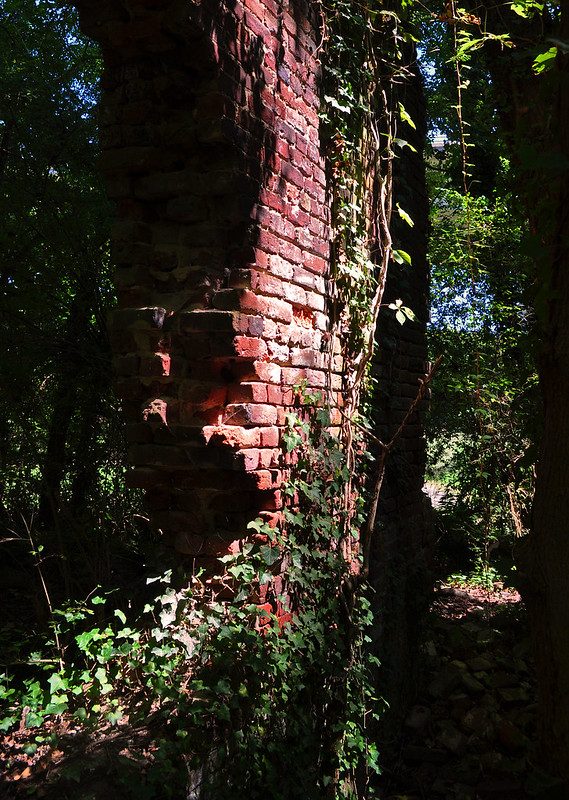
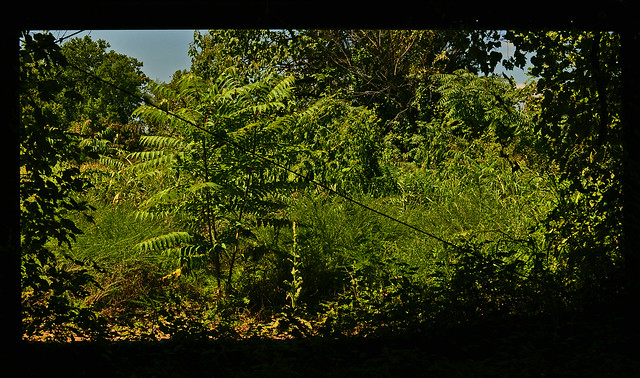
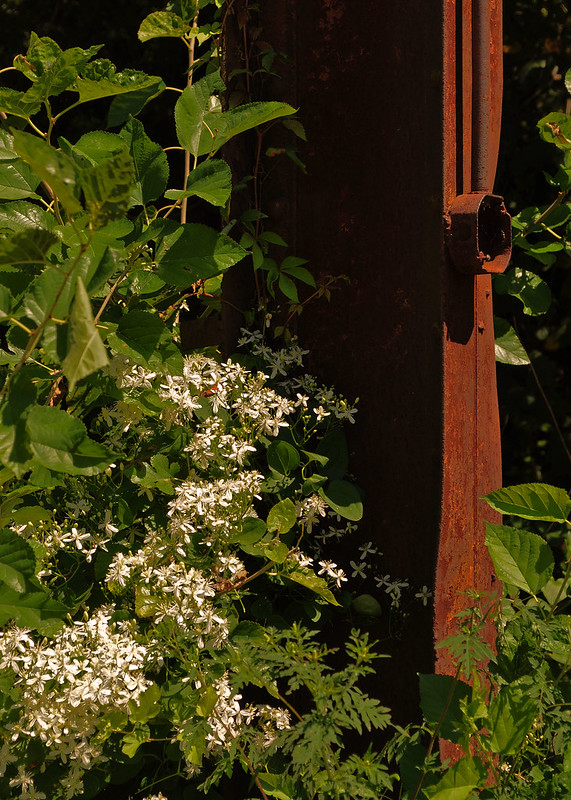
Belle Isle has a long history. Native Americans and early colonist fished here, Capt. John Smith explored it in 1607, stone was quarried here, and it was the site of some of Richmond's first industry. It was also the site of a notorious Civil War prison for Union soldiers. During the 20th century it was home to a hydroelectric power plant, and steelworks, the remains of which are now covered in thick vegetation, as is most of the island. There are many native tree species thriving on the island including river birches, sycamores, oaks, black cherries, hickories, and sassafras, with non-natives like Paulownia, mimosa, and Ailanthus doing there best to take over. The trees themselves, and the ruined structures are covered in vines, especially native trumpet vine and Virginia Creeper, of course English Ivy has also made the island home. In sunnier areas large grasses and wildflowers grow lush. There are many trails throughout the island for hiking, biking, jogging, and whatever; signs interpret the island's varied history along the way.
Haven had many roles in Richmond's history, I am so glad that today Belle Isle is a much needed city-center oasis for both wildlife and people.

After my delivery was made, lunch eaten, and recent dorm room enhancements viewed and complemented, the dogs and I traveled a few blocks down to the James River for a hike to Belle Isle. In my late teens and twenties, my friends and I would often have great adventures there. To reach the island back then we would hop the rocks if the water was low enough. Otherwise, we had to scale a stone railroad support column, using old electrical cables to reach an abandoned trestle, then we crossed over the rushing water, while avoiding the missing, rotten or loose railroad ties. Once there we usually had the island to ourselves, and could explore its flood-ravaged, abandoned buildings unhindered. These days the island can be reached by a pedestrian bridge that is suspended from the undersides of the Lee Bridge. Judging by the full parking lot, and all of the people on the island, Belle Isle today must be one of the city's most popular attractions.
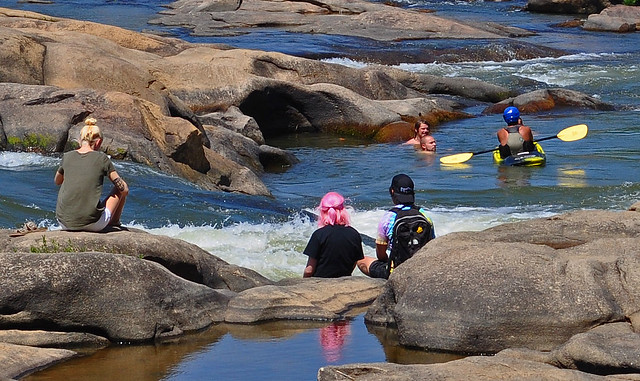
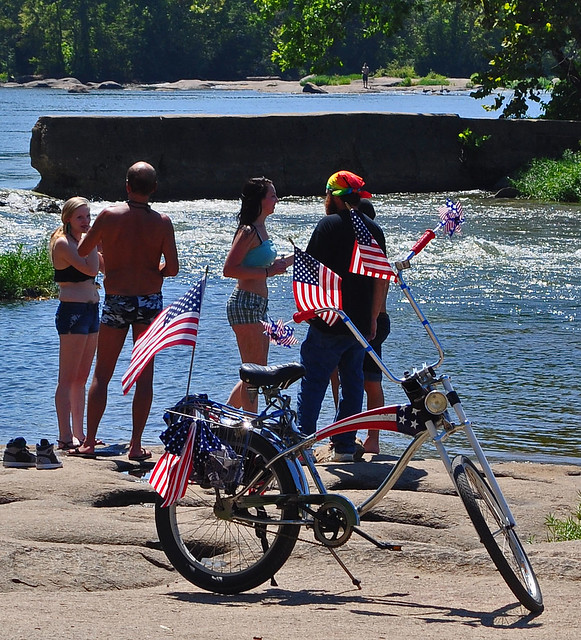
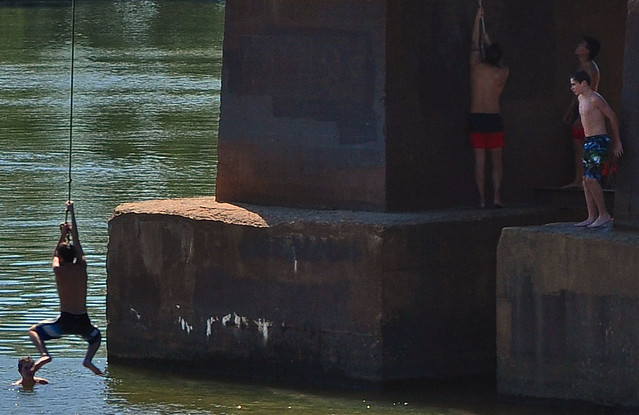
To reach the footbridge, I first had to walk underneath the still active CSX trestle, cars overhead carrying coal to the coast.
Labels:
Hiking Trails,
History,
James River,
Richmond
Location:
Belle Isle, Richmond, VA, USA
April 7, 2016
Zuni Pine Barrens
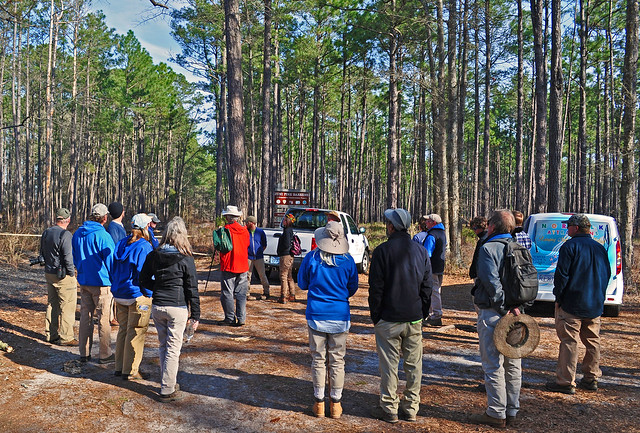
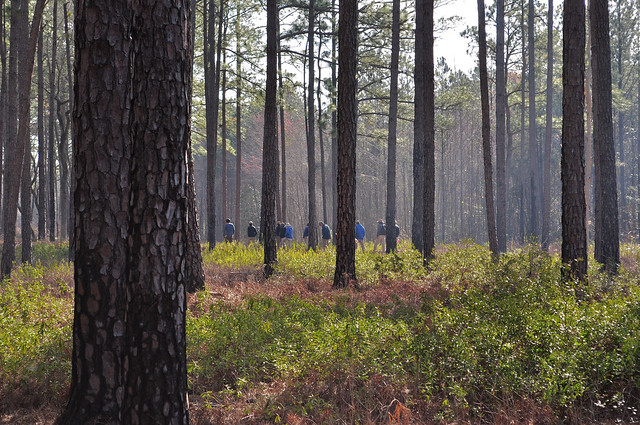
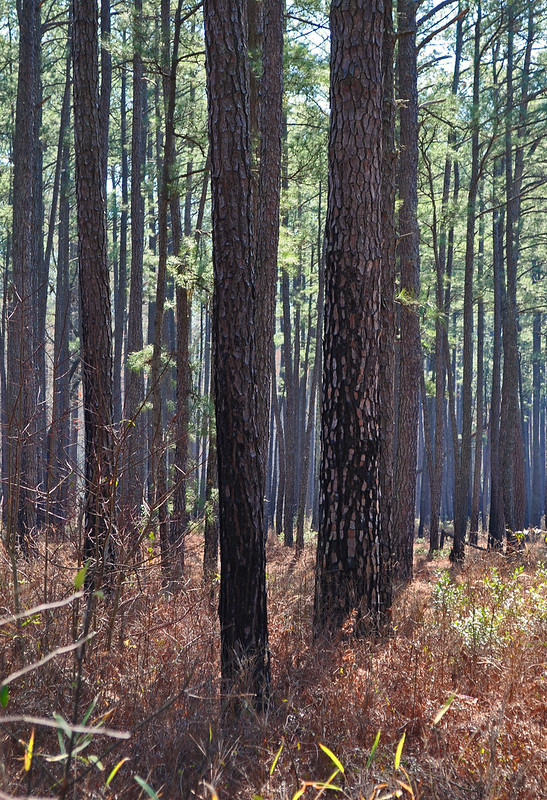
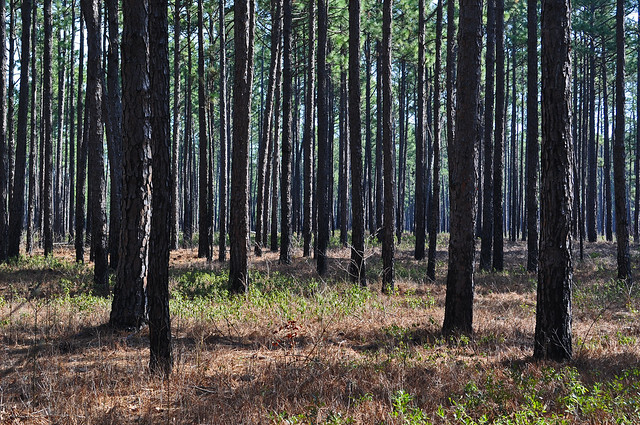
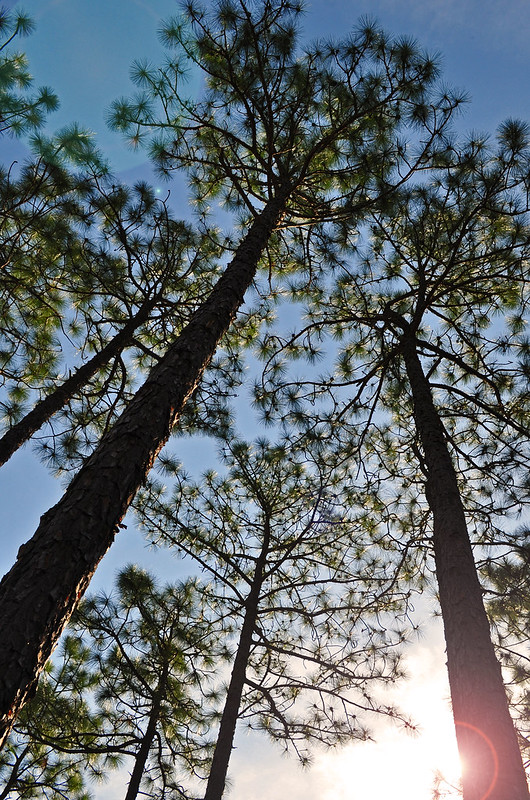
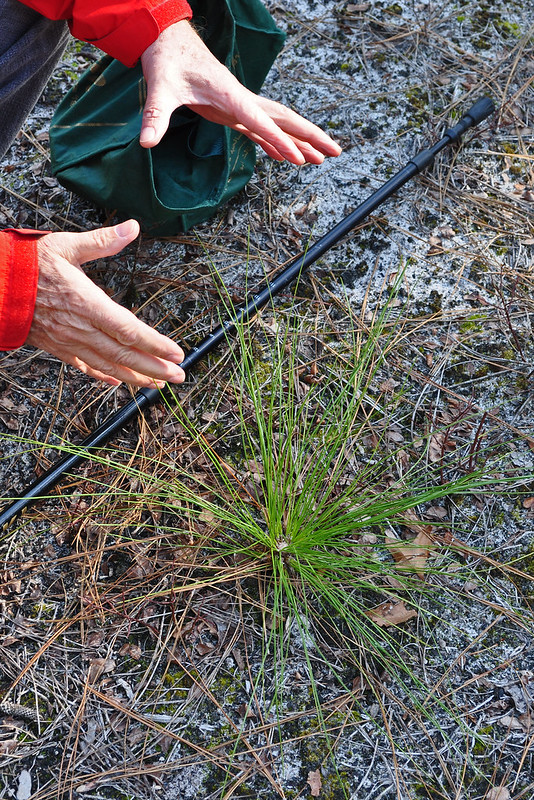
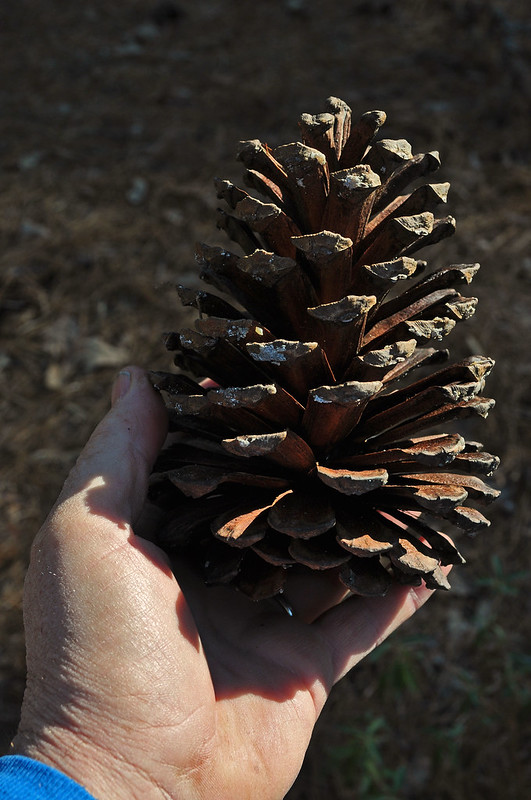
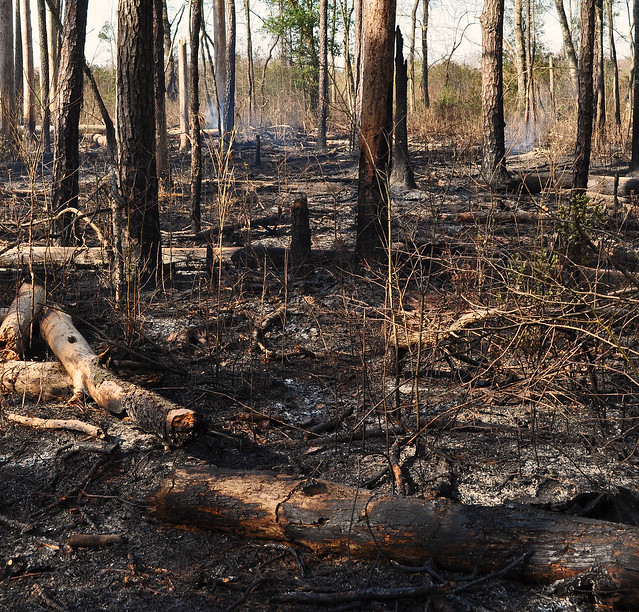
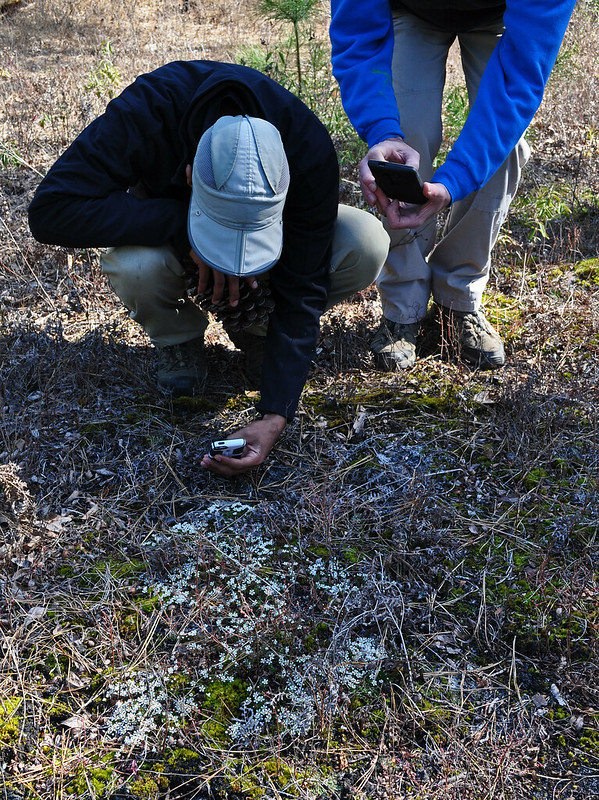
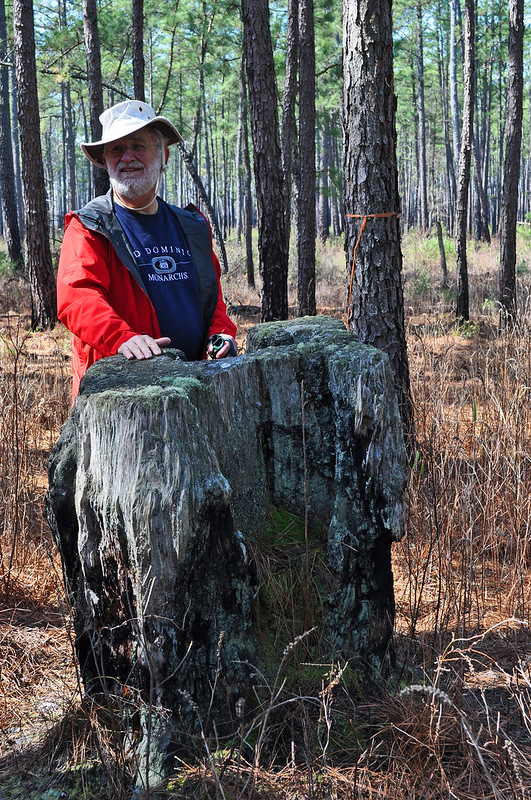
Back in March (which already feels like so long ago) most of the Hort. Dept. at work piled into rental vans and drove westward to reach the Zuni Pine Barrens along the Blackwater River in Isle of Wight Co. There we were met by Dr. Lytton Musselman and Peter Schafran of Old Dominion University (ODU), both of whom are experts in several subjects, including Zuni and its longleaf pine (Pinus palustris) ecosystem. The pine is the keystone species at Zuni, and this spot is the last vestige of its northern-most limit. This type of ecosystem once covered close to 100 million acres, from southeastern Virginia to Texas; 3 million acres remain today. Longleaf pine was so important to the settlement of this part of the state, that it is sometimes referred to as "The Tree That Built Tidewater". Its hard wood was preferred for ship's masts, and more importantly, it resins were harvested for the tar, pitch, and turpentine necessary for building wooden ships. Today shipbuilding remains a key component to the area's economy, and it all started with the longleaf pine. Over-harvesting, feral pigs, and fire suppression have all played a role this tree's near disappearance locally, but at Zuni, ODU and the State of Virginia are increasing the acreage of this ecosystem, one of Virginia's rarest.
Subscribe to:
Posts (Atom)