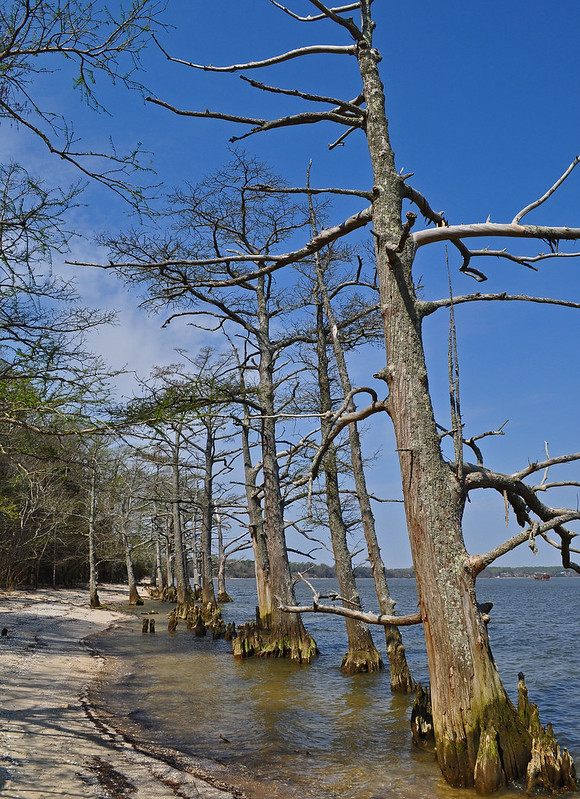
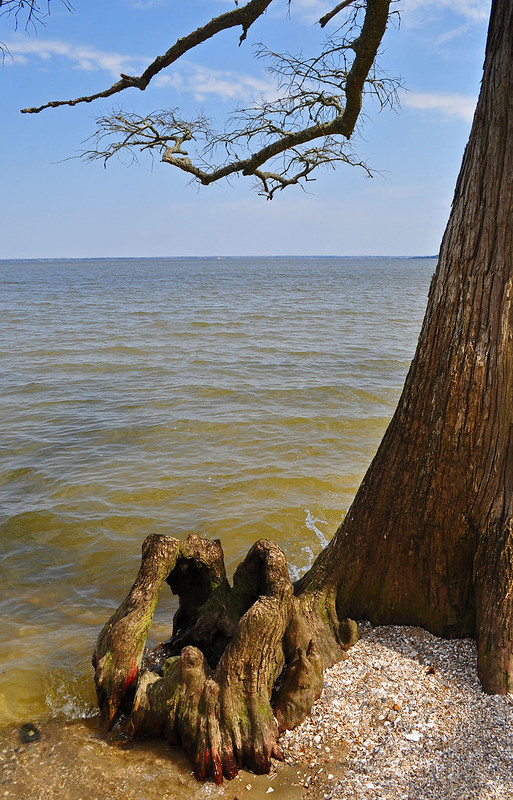
There is a spot along the beach where one of my favorite trees, bald cypress (Taxodium distichum), grow in a watery grove. This spot is very special to me, not for any particular event or reason, it just speaks to me. Perhaps it could be the spirits of my ancestors, who sailed by this point on their way to Jamestown, waving at me from the past.
Showing posts with label Chippokes. Show all posts
April 19, 2014
Redbud Time at Chippokes
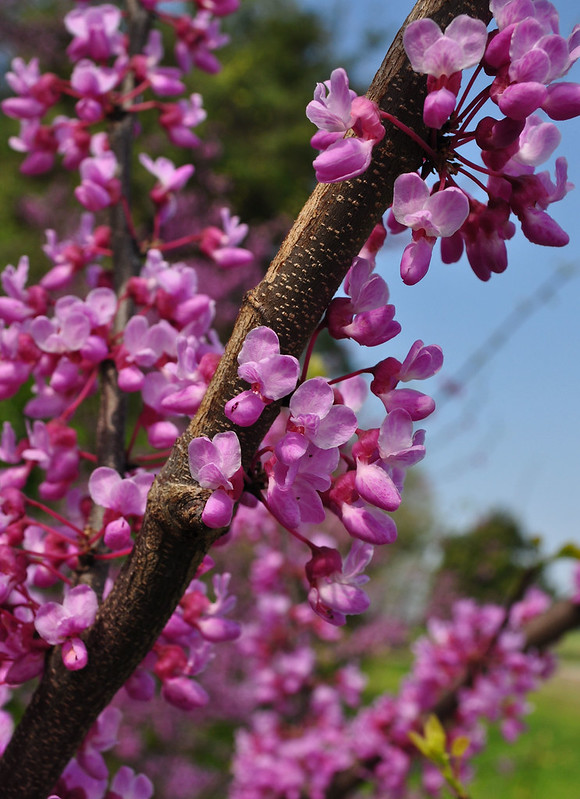
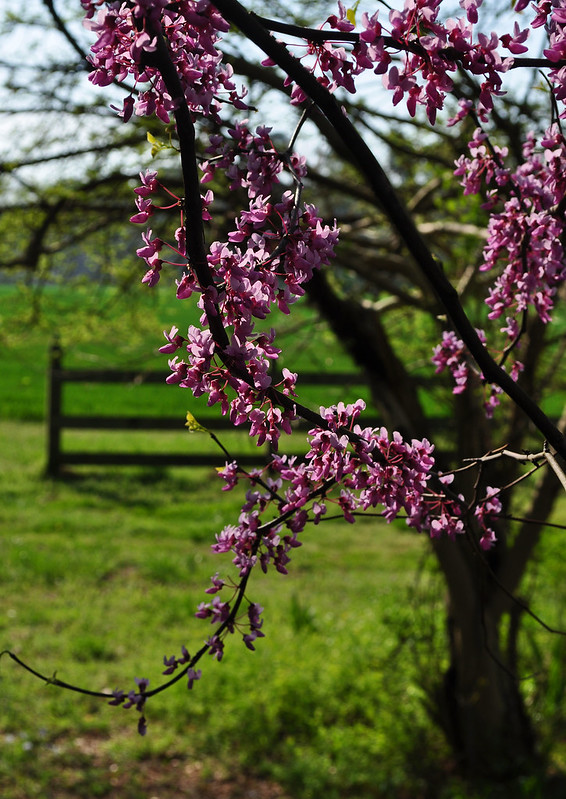
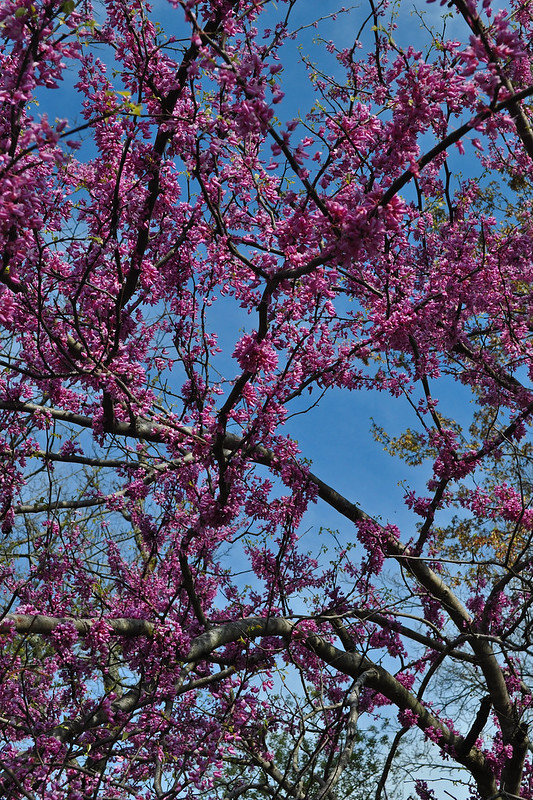
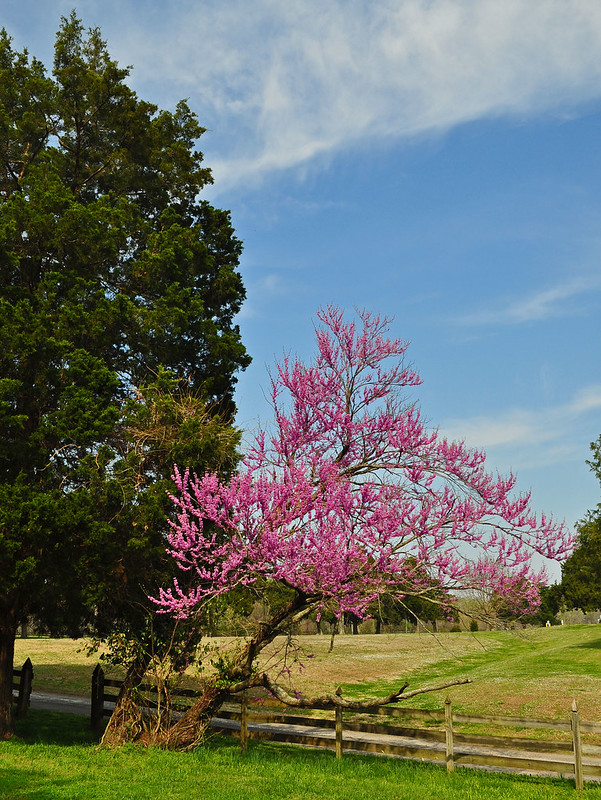
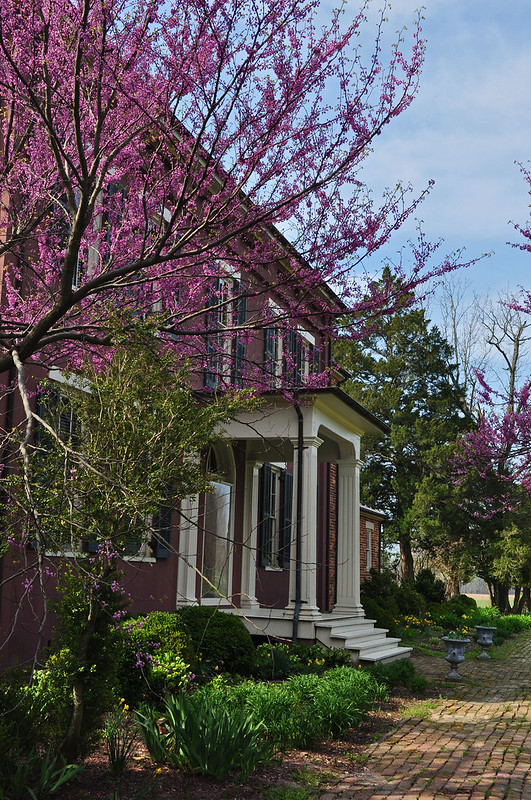
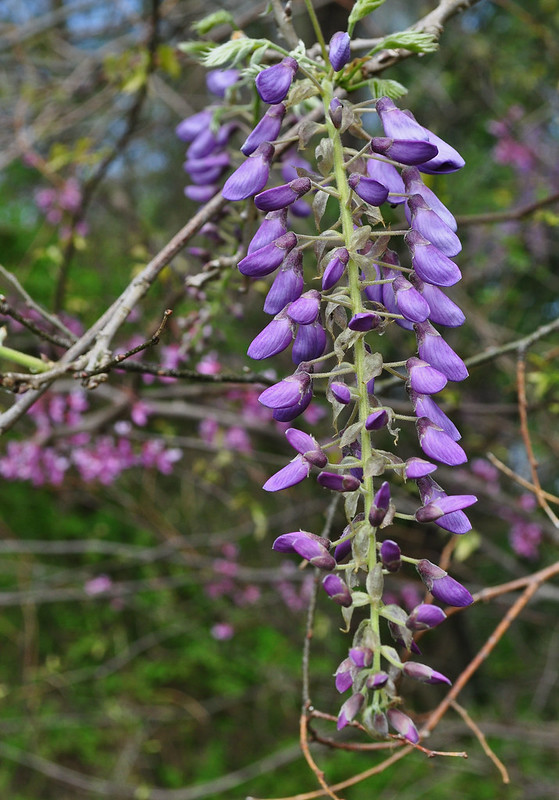
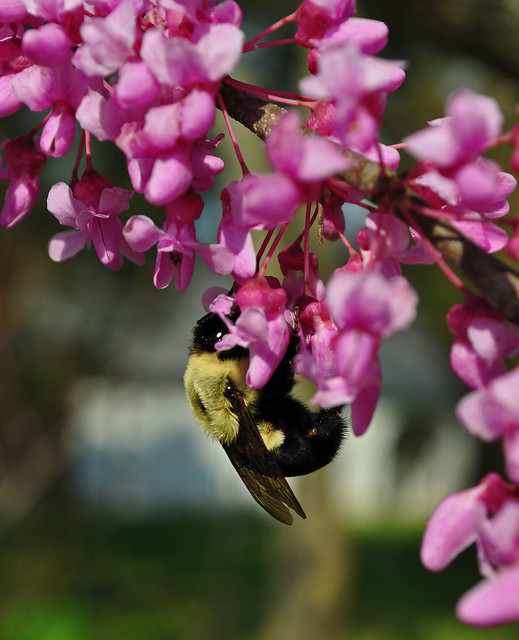
Feeling a need for sights more rural, I traveled westward along back roads last weekend to Chippokes Plantation State Park. The park is a great place to experience one my favorite times of the year in the Virginia countryside, when all of the deciduous trees start pushing out new spring growth, but not yet enough to keep light from reaching the forest floor. Though not as in your face as fall, I have come to appreciate the spring colors of various trees in their mad dash to reproduce and photosynthesize. Of course all the shades of green were unfurling, but looking carefully, other colors were revealed in the canopy. Many of the oaks are dripping with amber catkins, and though the red maples are late this year, they are colorful nonetheless. Sticking out from its taller neighbors above, our native eastern redbuds (Cercis canadensis) were in peak bloom last weekend and were the showiest trees in the park.
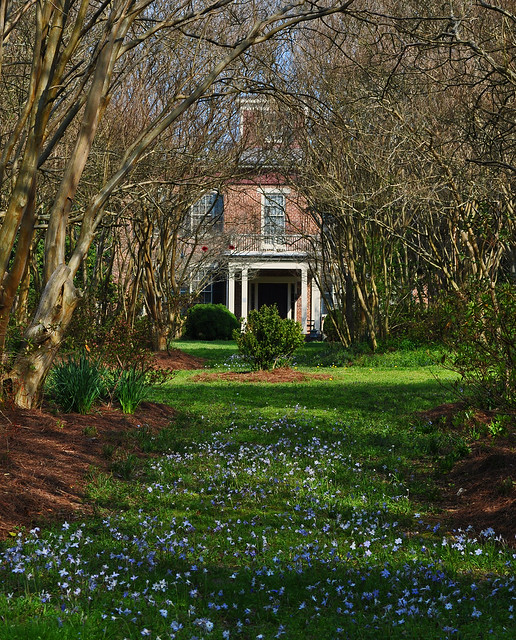
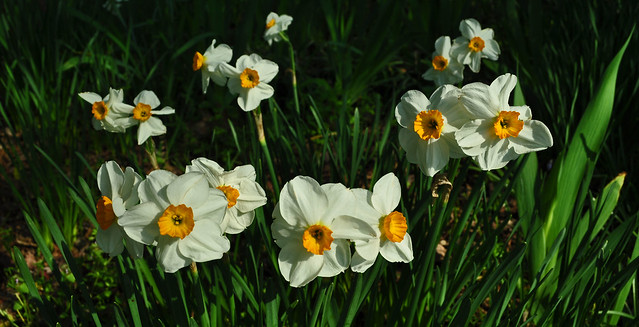
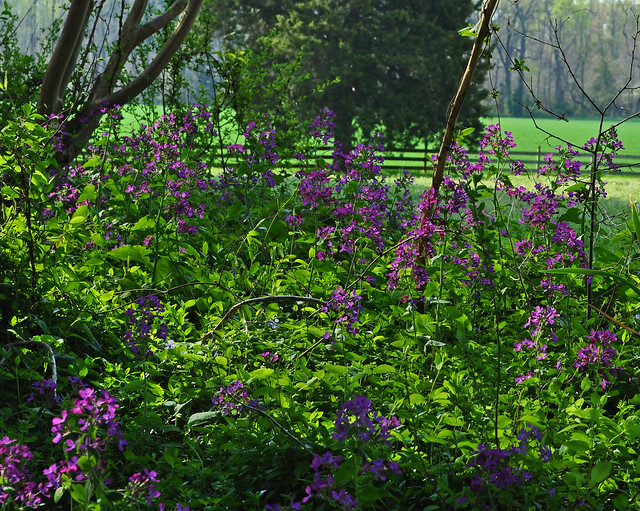
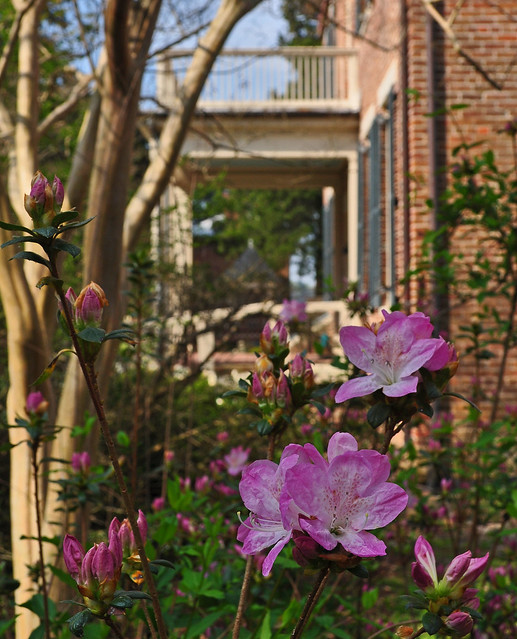
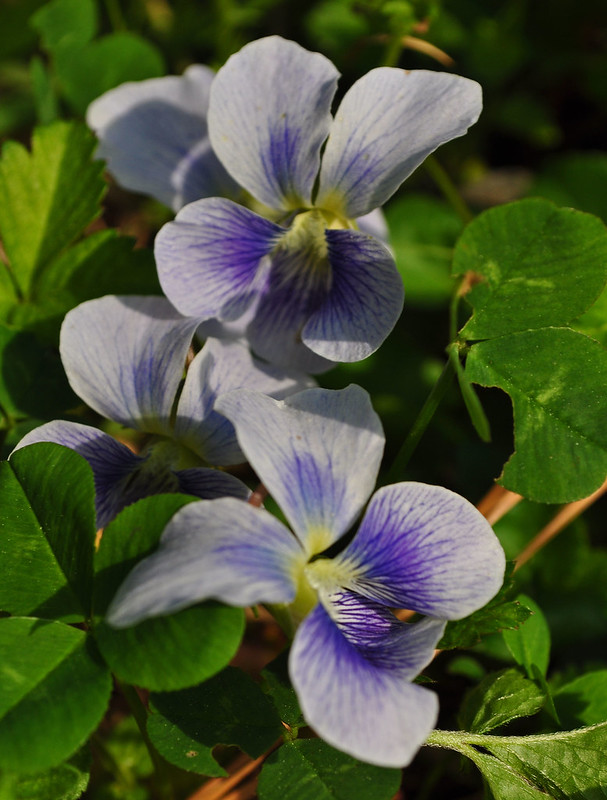
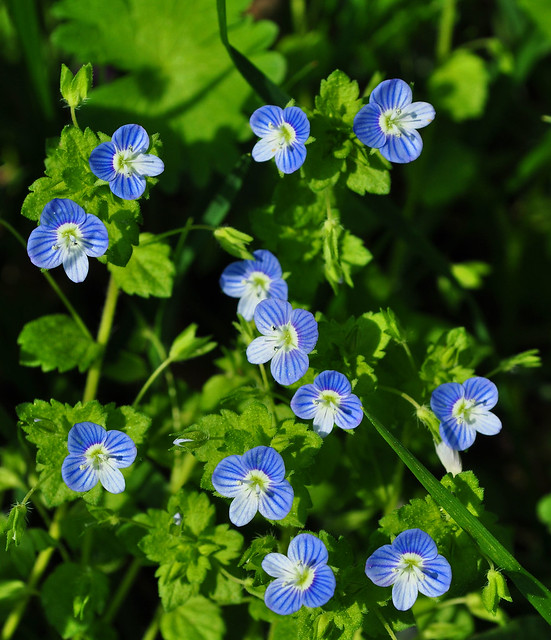
Of course redbuds were not the only plant showing blossoms last weekend. There were flowers blooming in the gardens around the old mansion, along the field edges, and in the forests. Much of Chippokes is still a working farm, and the land has been used that way continuously since 1619. With nearly 400 years of soil disturbance, it is a good place to see native and non-native plants interacting. Some of the newcomers have been content to spend the decades sitting prettily in the garden, others have preferred to be a bit more mobile, and others still, will not rest until they have the whole place to themselves.
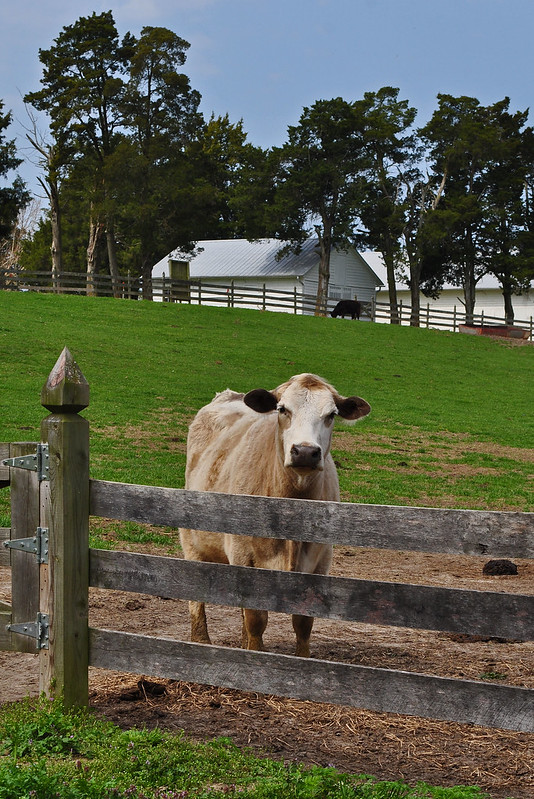
In addition to plants, Chippokes has long been a home for a few non-native animal species as well.
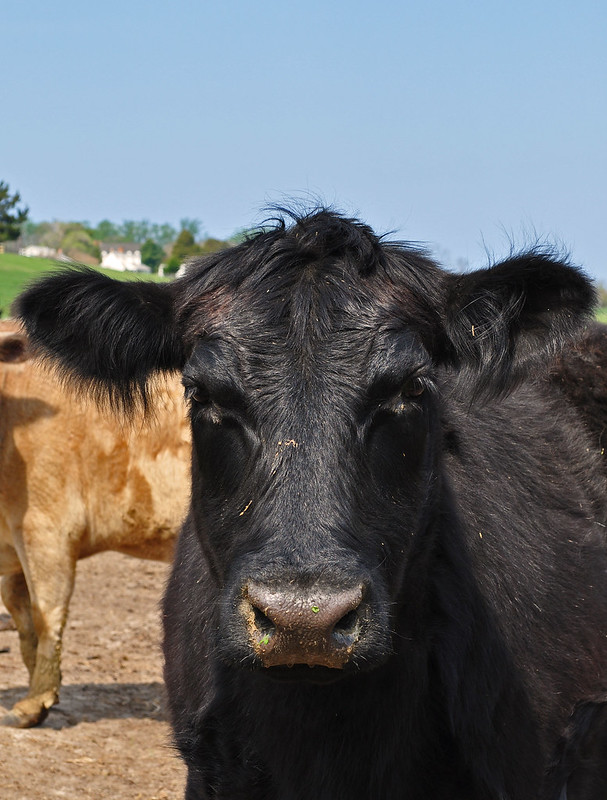
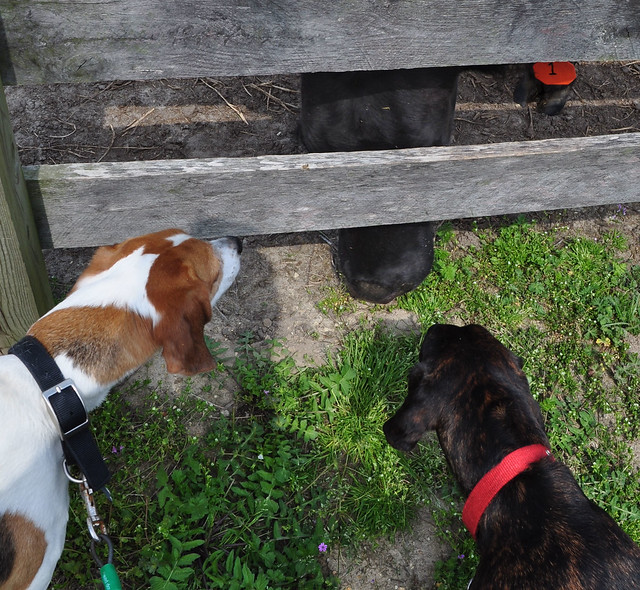
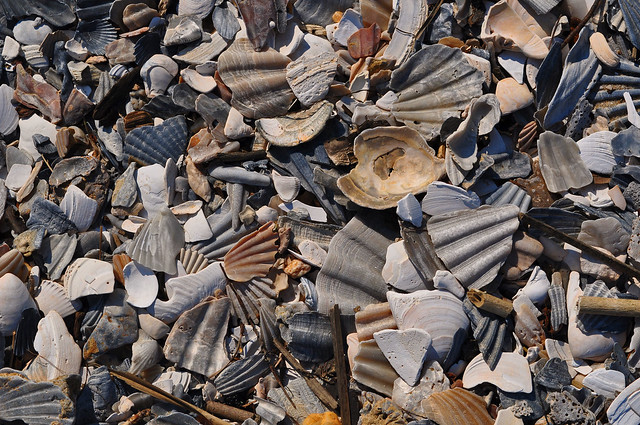
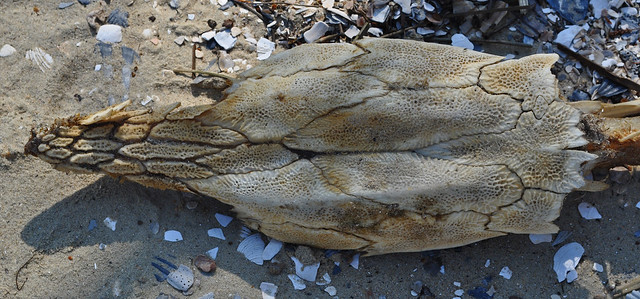
If they were here about 5 million years ago, the cows would have enjoyed a beachfront view from their barns, as this area was on the edge of a warm shallow sea. About half a mile away and 100' closer to sea level, the beach at Chippokes is covered in fossils from that long ago era. While I found lots of fossilized scallop and barnacle shells, the prized shark's teeth alluded me. I did find the remains of an Atlantic sturgeon, a fish who has called these waters home since the dawn of time and who has only recently returned after a human-induced absence. It's skull was comparable in size to what one of those cow's might have. I just hope what I saw had a chance to make lots of baby sturgeons before it expired.
Labels:
Chippokes,
Day Trip,
Hiking Trails,
History,
Making Time for Church,
Natives
May 3, 2011
Scenes from Chippokes
After my early morning Earth Day ride to the Pagoda, I came home to find my son and his buddy awake from a late night sleepover (wife still soundly snoozing her spring break away). Surprise, surprise, the boys were busy playing video games. In an effort to peel their eyes away from electronic screens, I suggested a trip to Chippokes Plantation State Park for a hike. I am not sure why, but they easily said yes, and I did not linger long enough for them to change their minds.
Lunaria annua
Aquilegia canadensis
I try, as often as possible, to get my son outside, to the country, the beach, the woods or anywhere out of the house and indoor activities. When I was growing up, you could not keep me inside. We spent entire days on our bikes, playing in the woods, building forts, tromping through streams, playing various pick-up games, and more often than not, we had to be called in at night. The world my son lives in is one of more organized activities, play dates, parental permissions and indoor amusements. There is no such thing as being able to roam at will, exploring without supervision until dark. Some other things that disturb me about children of my son's generation is that they seem to expect (and sometimes demand) constant entertainment, and for the most part find it difficult to enjoy the quieter times or to make up their own fun. The picture is not completely bleak - I think he and his peers are better educated than I was at his age; are ready to live in a multicultural world without the amount of prejudice that was present in mine; and are capable of easily navigating an increasingly technical world.
Each time I have visited the beach at Chippokes, I have found a string of beads. This time was no exception.
Taxodium distichum behind the beach.
Taxodium distichum on the beach.
I am not sure how much fun the boys had at Chippokes, but at least they had a change in scenery, and I know the hike and the fresh air did them some good. Whether they enjoyed the trip or not, I did.
(This blog's previous trips to Chippokes are here and here.)
Lunaria annua
Aquilegia canadensis
I try, as often as possible, to get my son outside, to the country, the beach, the woods or anywhere out of the house and indoor activities. When I was growing up, you could not keep me inside. We spent entire days on our bikes, playing in the woods, building forts, tromping through streams, playing various pick-up games, and more often than not, we had to be called in at night. The world my son lives in is one of more organized activities, play dates, parental permissions and indoor amusements. There is no such thing as being able to roam at will, exploring without supervision until dark. Some other things that disturb me about children of my son's generation is that they seem to expect (and sometimes demand) constant entertainment, and for the most part find it difficult to enjoy the quieter times or to make up their own fun. The picture is not completely bleak - I think he and his peers are better educated than I was at his age; are ready to live in a multicultural world without the amount of prejudice that was present in mine; and are capable of easily navigating an increasingly technical world.
Each time I have visited the beach at Chippokes, I have found a string of beads. This time was no exception.
Taxodium distichum behind the beach.
Taxodium distichum on the beach.
I am not sure how much fun the boys had at Chippokes, but at least they had a change in scenery, and I know the hike and the fresh air did them some good. Whether they enjoyed the trip or not, I did.
(This blog's previous trips to Chippokes are here and here.)
November 1, 2009
High Tide at Chippokes
Last Friday, feeling a need to indulge my wanderlust and see some fall foliage, I headed west to Chippokes Plantation State Park. When this blog visited Chippokes before, I mentioned that it is one of my favorite places to get away to, and fortunately it is a only a pleasant hour's journey from home. However, when I got there they were having day 1 of their Plantation Christmas Festival, and the center of the park was crowded with vendor tents and shoppers. Apparently it is quite a big deal as there were people selling their handmade wares from all over the country. I know many people enjoy this sort of thing, but for me they are little corners of hell. I told the costumed gate attendants that I was there to hike, not for the festival, so they waved me through the gates and crowds at no charge, to a preferred parking spot behind the mansion. It made me feel very special.
Since most of the activity (and fortunately the crowds too) was centered around the mansion, I did not go into the gardens, but they are not why I visit Chippokes. However, on the edge of the gardens I noticed some Camellias blooming, mainly C. sasanqua and C. sinensis which are in season right now, but I also noticed this C. japonica which was several months early to be this showy.
Camellias are not the only thing under cultivation at Chippokes. Part of the mission of Chippokes is to maintain the nearly 400-year-old farm, so they keep the fields planted in a variety of crops as well as manage a heard of cattle.
Glycine max (Soybean)
Growing along the edge of the soybean field was this pretty little plant, often listed as a weed. It is a species of Polygonum, possibly P. caespitosum, and I want to thank Phillip of How it Grows for helping with the I.D.
My first destination was Lower Chippokes Creek, and when I got there I noticed how high the tide was. I knew we were having a mild Nor'easter and that the water was backing up in the rivers closer to the ocean, but I hadn't considered that the storm's reach would be this far inland.
My next destination was the beach along the James River, and in order to get there I travelled along the edge of the fields next to the old forest. Here were many natives putting on their final show of color before winter's temporary shut down.
Callicarpa americana (Beautyberry)
Aralia spinosa (Devil's Walking Stick)
Celastrus scandens (American Bittersweet)
Rhus copallinum (Winged Sumac) - Thanks for the correction Phillip
Liquidambar styraciflua (Sweetgum) foliage with the trunks of Platanus occidentalis (American Sycamore)
Toxicodendron radicans (Poison Ivy)
Before I got to the beach I was worried that the higher tide would make the way impassable to my favorite grove of Bald Cypress (Taxodium distichum), but it was mostly clear with only a few places where the boots had to be removed.
I don't know where the rest of you were Friday morning, but anytime I'm on this beach, I feel like the only person on the planet.
While on this beach last June, I found a string of black pearls clinging to a stump. This time the beach gods left me a string of black stars on an Eastern Red Cedar (Juniperus virginiana).
Other treasures were found, including this Monarch dying among the state fossil of Virginia, Chesapecten jeffersonius. This extinct scallop lived in a shallow warm sea that covered this area 4-5 million years ago.
I'll end with a gratuitous shot of my travelling companions for the day. Both dogs will not swim on their own, but Loretta likes to wade and lay down in the water. Penny was more comfortable using her bear like claws to walk on the tree trunk, but since they were tethered together, Loretta ended up pulling Penny into the water where she did not drown, nor melt.
If you are interested you can see the rest of the day's pictures here.
Since most of the activity (and fortunately the crowds too) was centered around the mansion, I did not go into the gardens, but they are not why I visit Chippokes. However, on the edge of the gardens I noticed some Camellias blooming, mainly C. sasanqua and C. sinensis which are in season right now, but I also noticed this C. japonica which was several months early to be this showy.
Camellias are not the only thing under cultivation at Chippokes. Part of the mission of Chippokes is to maintain the nearly 400-year-old farm, so they keep the fields planted in a variety of crops as well as manage a heard of cattle.
Glycine max (Soybean)
Growing along the edge of the soybean field was this pretty little plant, often listed as a weed. It is a species of Polygonum, possibly P. caespitosum, and I want to thank Phillip of How it Grows for helping with the I.D.
My first destination was Lower Chippokes Creek, and when I got there I noticed how high the tide was. I knew we were having a mild Nor'easter and that the water was backing up in the rivers closer to the ocean, but I hadn't considered that the storm's reach would be this far inland.
My next destination was the beach along the James River, and in order to get there I travelled along the edge of the fields next to the old forest. Here were many natives putting on their final show of color before winter's temporary shut down.
Callicarpa americana (Beautyberry)
Aralia spinosa (Devil's Walking Stick)
Celastrus scandens (American Bittersweet)
Rhus copallinum (Winged Sumac) - Thanks for the correction Phillip
Liquidambar styraciflua (Sweetgum) foliage with the trunks of Platanus occidentalis (American Sycamore)
Toxicodendron radicans (Poison Ivy)
Before I got to the beach I was worried that the higher tide would make the way impassable to my favorite grove of Bald Cypress (Taxodium distichum), but it was mostly clear with only a few places where the boots had to be removed.
I don't know where the rest of you were Friday morning, but anytime I'm on this beach, I feel like the only person on the planet.
While on this beach last June, I found a string of black pearls clinging to a stump. This time the beach gods left me a string of black stars on an Eastern Red Cedar (Juniperus virginiana).
Other treasures were found, including this Monarch dying among the state fossil of Virginia, Chesapecten jeffersonius. This extinct scallop lived in a shallow warm sea that covered this area 4-5 million years ago.
I'll end with a gratuitous shot of my travelling companions for the day. Both dogs will not swim on their own, but Loretta likes to wade and lay down in the water. Penny was more comfortable using her bear like claws to walk on the tree trunk, but since they were tethered together, Loretta ended up pulling Penny into the water where she did not drown, nor melt.
If you are interested you can see the rest of the day's pictures here.
Subscribe to:
Posts (Atom)